
 International
  Politics
  Local
Local  Finance
  Sports
  Entertainment
  Lifestyle
  Technology
  Literature
  Science
  Health
  19 hours ago
3
19 hours ago
3
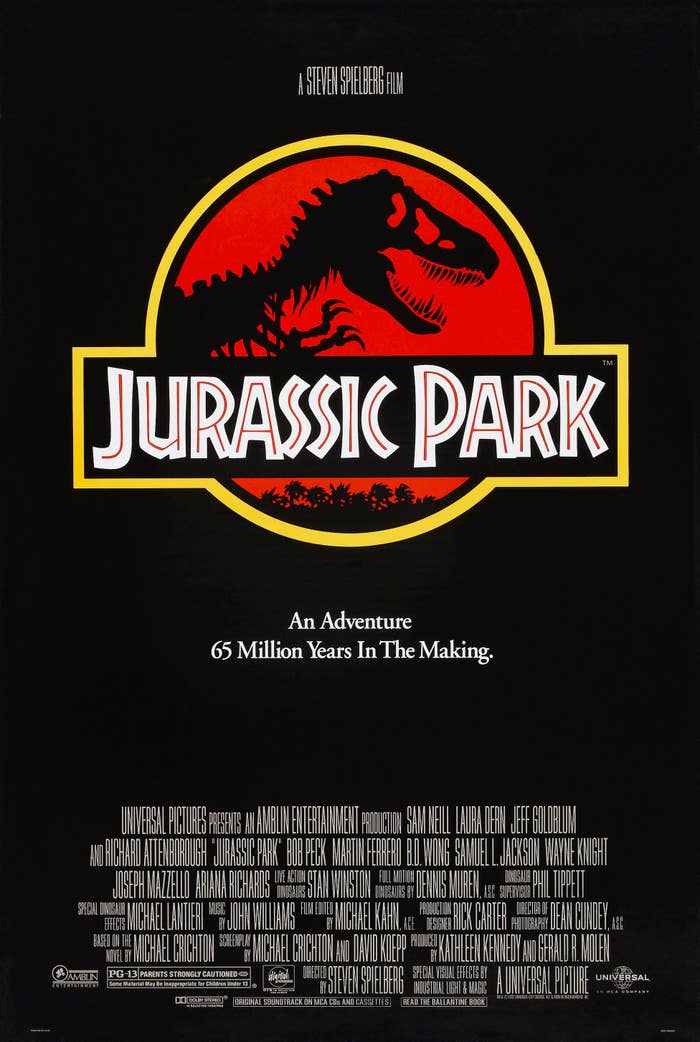
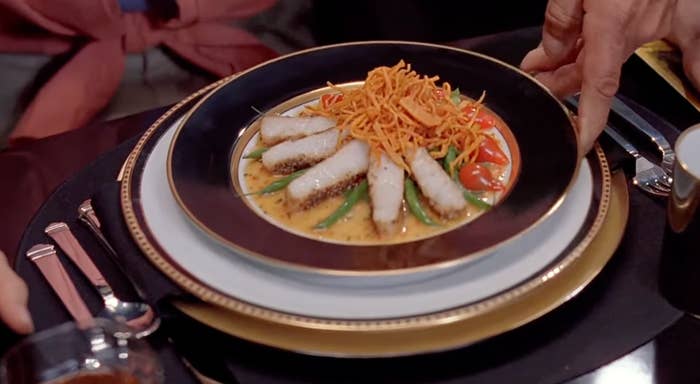
1. Prior to the '80s, the Chilean sea bass was known as the Patagonian toothfish — it was renamed in the late '70s to make it more appealing to consumers. Even with the rebrand, Chilean sea bass remained a cheap fish that was little-known in the US. That all changed in 1993 when the fish was mentioned in Jurassic Park.
©MCA/Courtesy Everett Collection
Early in the film, during the scene when they're feeding the cow to the raptors, John Hammond casually tells Alan Grant, "Alejandro's prepared a delightful meal for us. Chilean sea bass, I believe." The brief mention of the fish in the movie, which was also served on-screen, brought it into the public consciousness. It became a staple on upscale restaurant menus, which led to intensified overfishing and illegal fishing, putting significant pressure on wild populations. After almost being overfished to the brink of extinction throughout the '90s and early '00s, the fishing industry adopted much stricter sustainability measures to protect it.
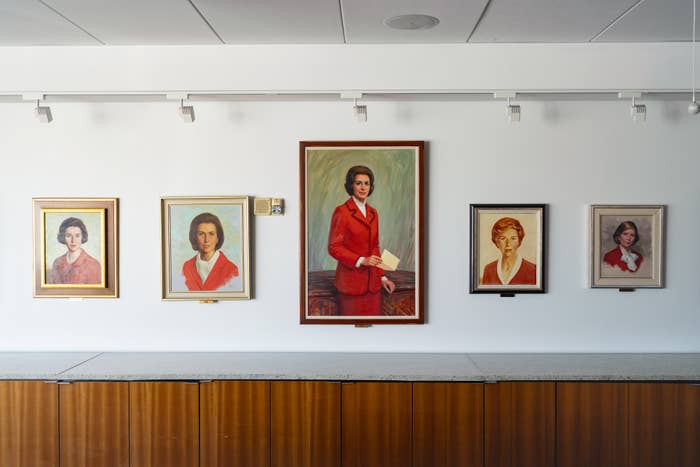
2. Betty Crocker became one of the most recognizable names in American kitchens, even though she never existed. Created by the Washburn-Crosby Company (which later became part of General Mills) in 1921, Betty Crocker was developed as a fictional persona to make the company feel more personal and trustworthy to home cooks. In fact, "Betty" was chosen because it sounded friendly, like someone women at the time would know.
Bloomberg / Bloomberg via Getty Images
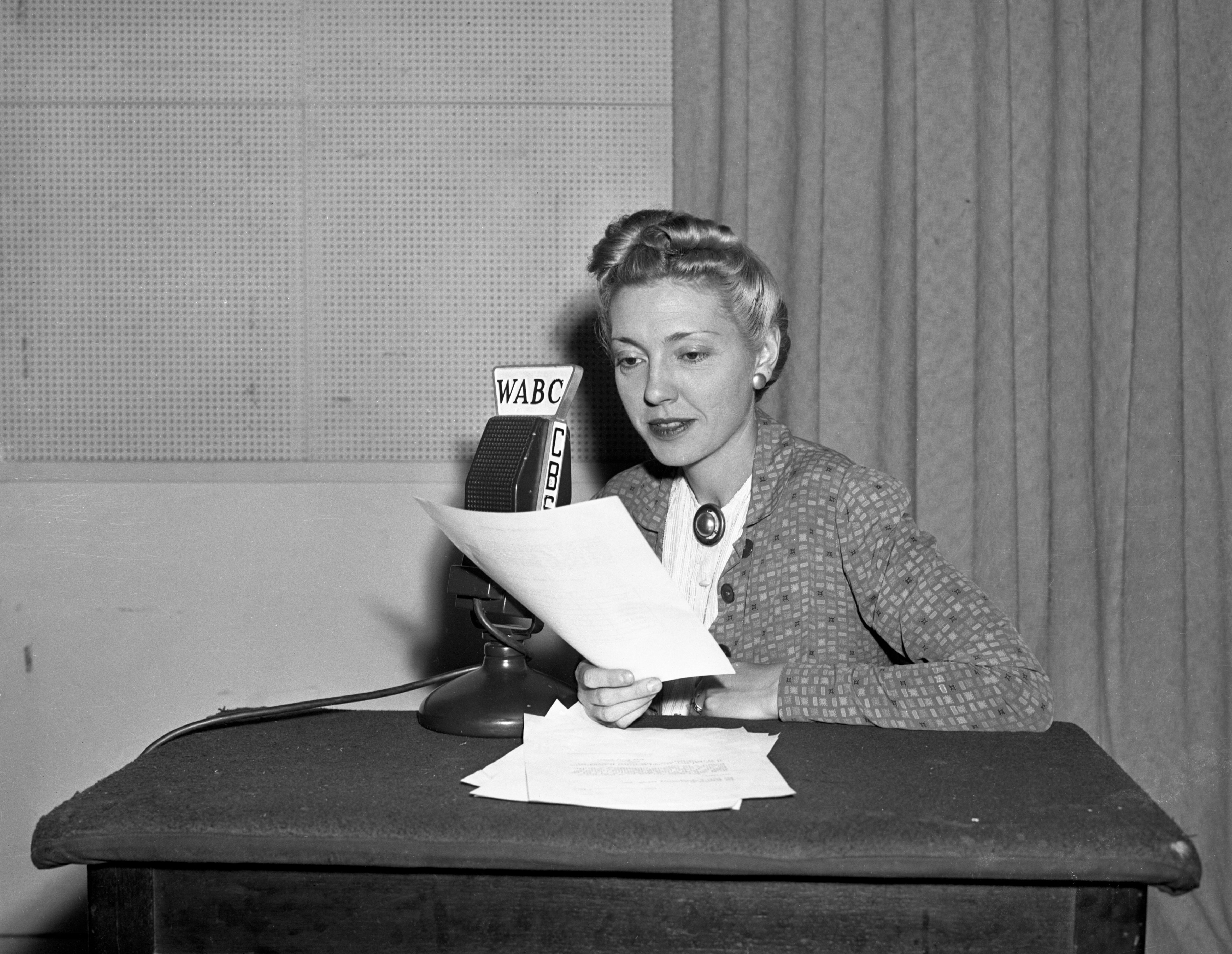
To bring her to life, the company hired female employees to answer letters from customers as "Betty," giving advice and responding to cooking questions as if she were a real person. The character being a real person was further cemented through a long-running radio program in which listeners could hear Betty Crocker (Adelaide Hawley, seen in the photo below, played the role of Betty Crocker) share recipes, cooking tips, and household advice. Even today, some people are surprised to find out she wasn't a real person.
CBS Photo Archive / CBS via Getty Images
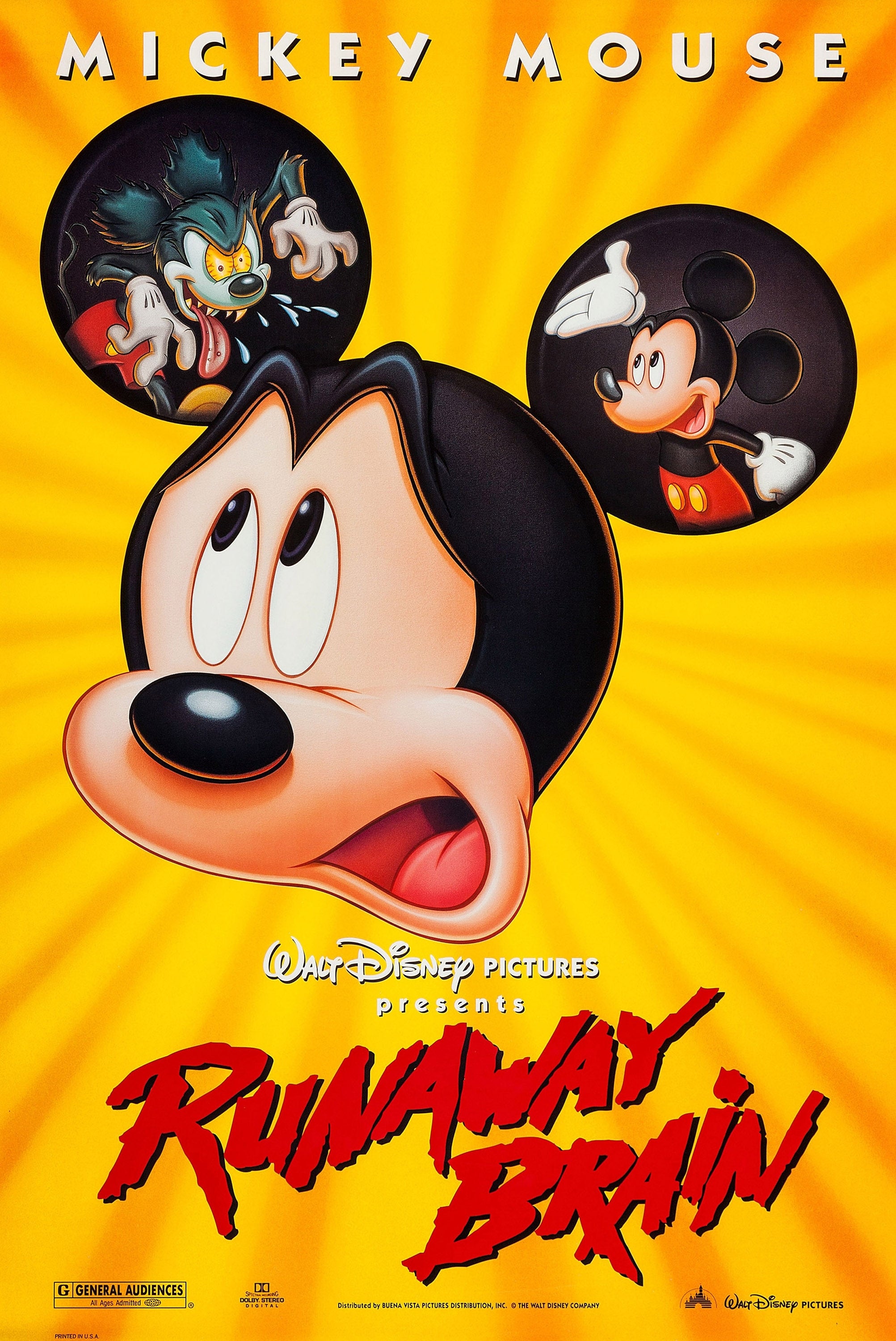
3. In 1995, Disney released Runaway Brain, a seven-minute short that pushed Mickey Mouse into surprisingly dark and unusual territory. The film followed Mickey as he agrees to a scientific experiment that swaps his brain with that of a violent creature, creating an "evil," Frankenstein-esque version of Mickey that chases after Minnie. Although the short was praised for its animation, humor, and willingness to experiment with one of Disney's most famous characters, its darker tone reportedly really scared some younger viewers.
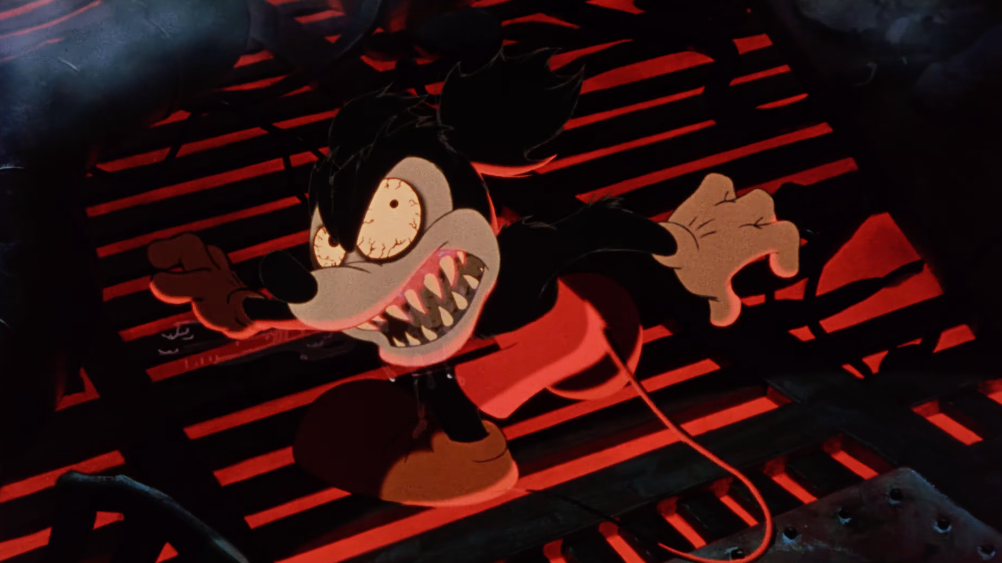
The film was also well-received by critics and was even nominated for the Academy Award for Best Animated Short Film in 1996. Despite its recognition, Runaway Brain was not widely promoted after its theatrical release and, while not technically banned, it has became one of the more obscure shorts (you won't find it on Disney+) — even though 30-plus years later, Disney has embraced that style of humor in the more recent shows Mickey Mouse and The Wonderful World of Mickey Mouse.
©Buena Vista Pictures/Courtesy Everett Collection
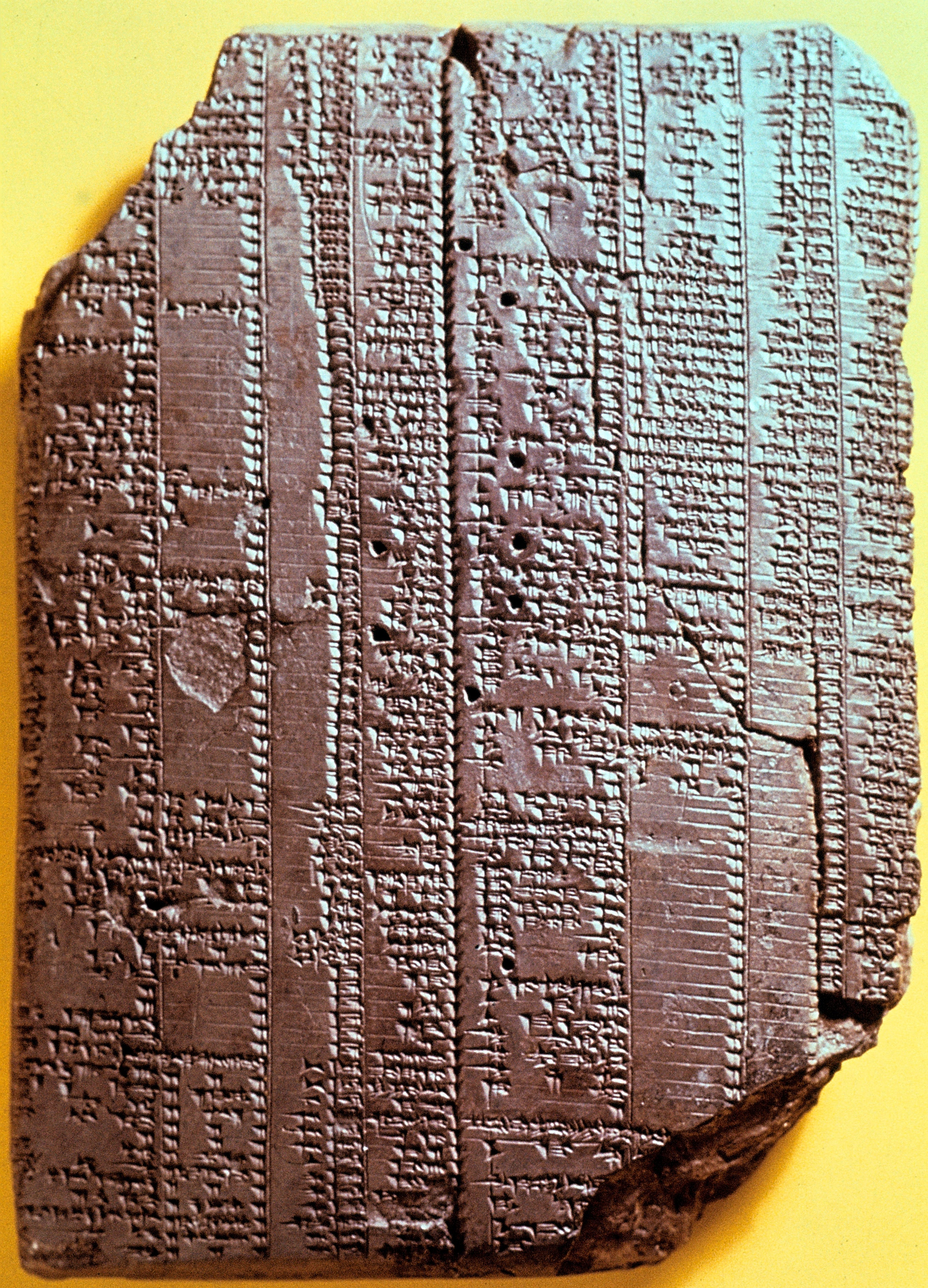
4. The "your mom" joke is often thought of as a modern insult, but the format actually dates back thousands of years. The oldest known example was found on a 3,500-year-old Babylonian tablet that contains a series of jokes and witty sayings written in the ancient Akkadian language. One of the jokes goes "…of your mother is by the one who has intercourse with her. What/who is it?"
Print Collector / Print Collector/Getty Images
The tablet shows that very crude humor, including jokes based on family insults and wordplay, was also part of everyday life in ancient societies. While the exact meaning of some ancient jokes is difficult to interpret today because of changes in language and culture, researchers believe this line is the earliest recorded example of "your mom" jokes.
Bildagentur-online / Universal Images Group via Getty Images
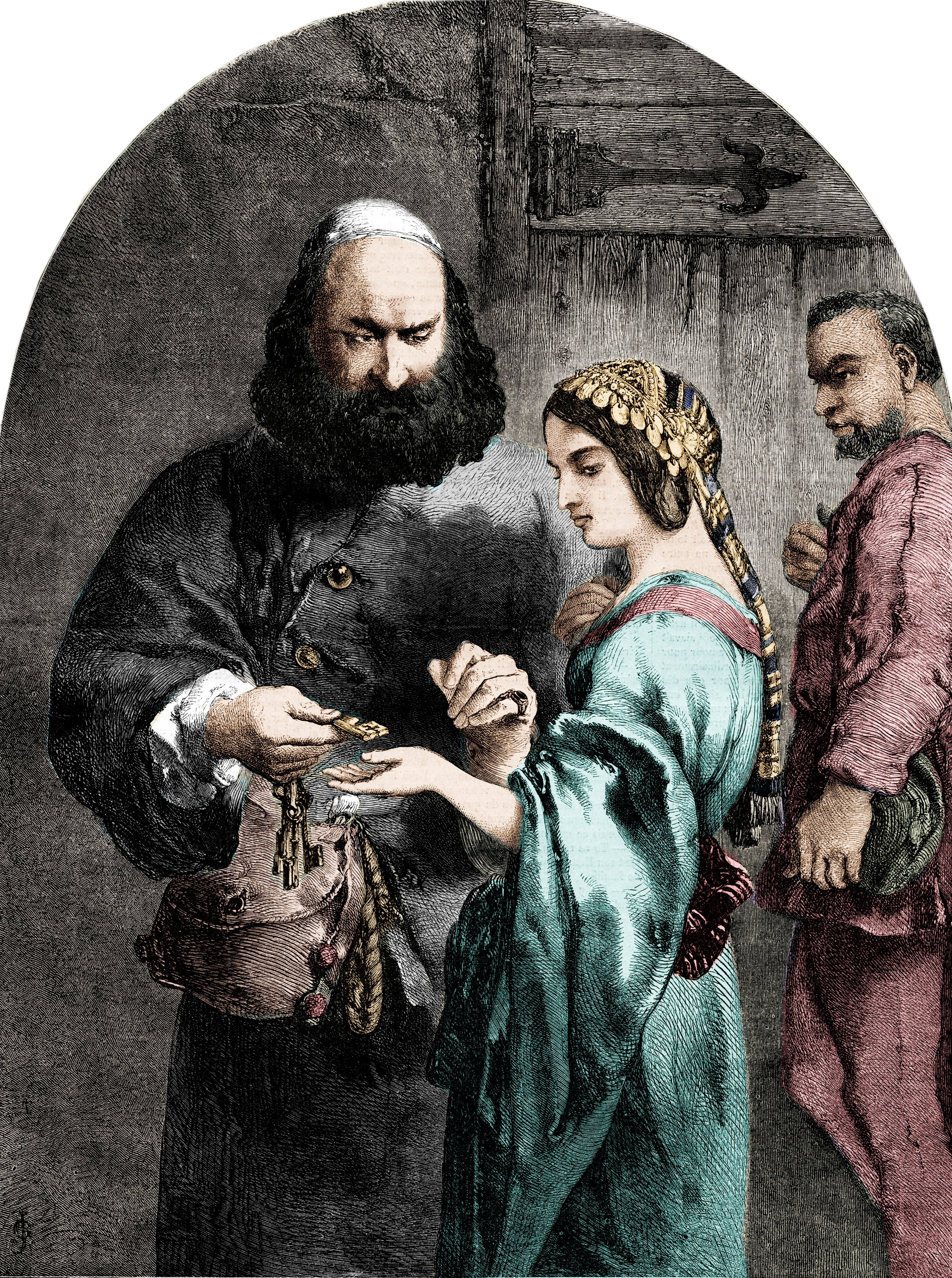
5. The "Tiffany effect" is the term for a strange way our brains judge whether something feels historically accurate, even when it actually is. The term comes from the idea that the name "Tiffany" sounds modern and out of place in a historical setting, despite the fact that it dates back to 12th century medieval Europe. Because we associate certain words, names, and objects with more recent time periods, we often assume they could not have existed in the past.
Julian Hamilton / FilmMagic, TheStewartofNY / WireImage
This creates a problem for modern writers, filmmakers, and historians, because audiences may reject accurate details simply because they feel too modern. The Tiffany effect shows how our understanding of history is shaped not just by facts, but by our expectations and assumptions about what the past should look and sound like. Another great example is the name Jessica, which was actually created by William Shakespeare for his play The Merchant of Venice in 1598.
Adoc-photos / Corbis via Getty Images
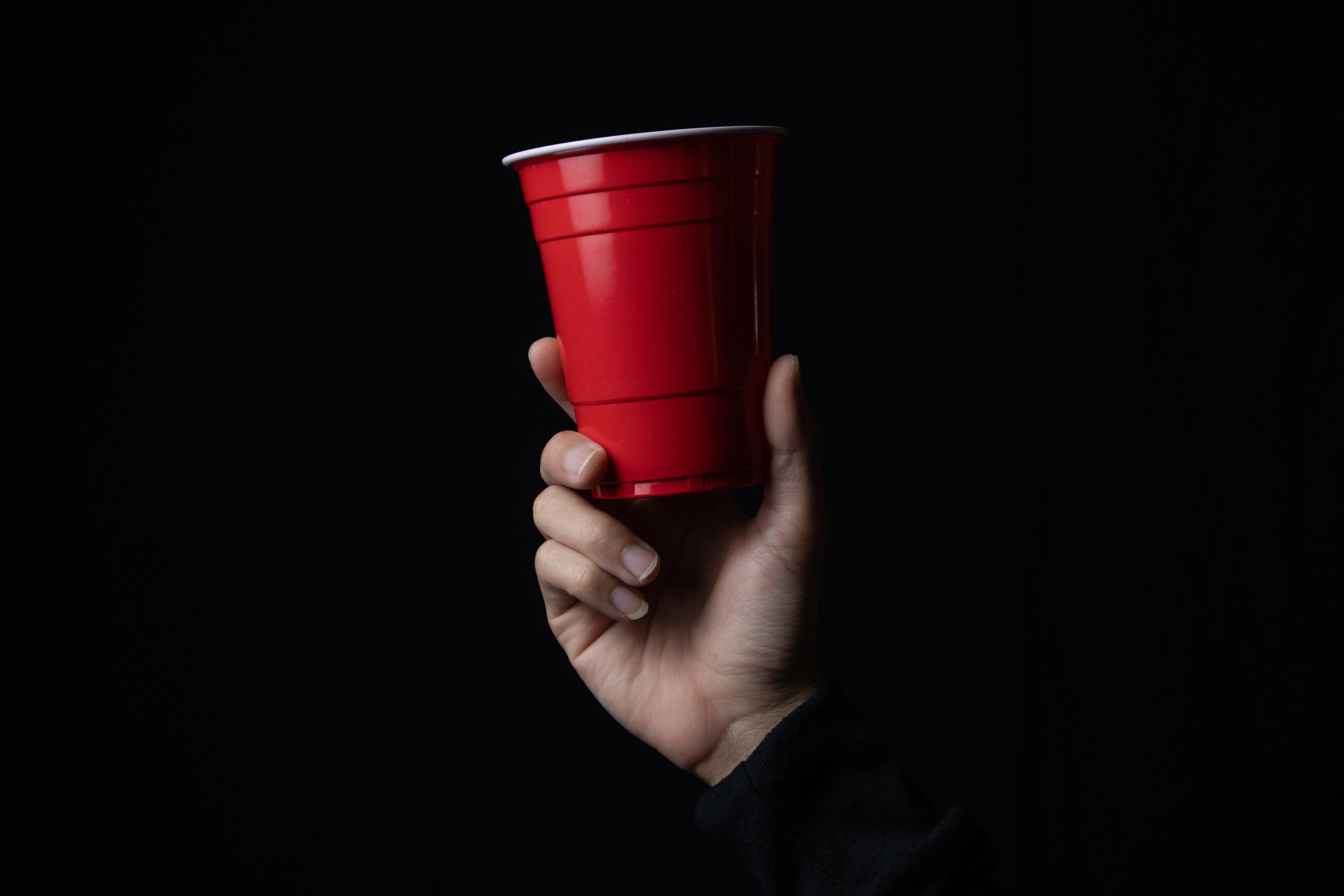
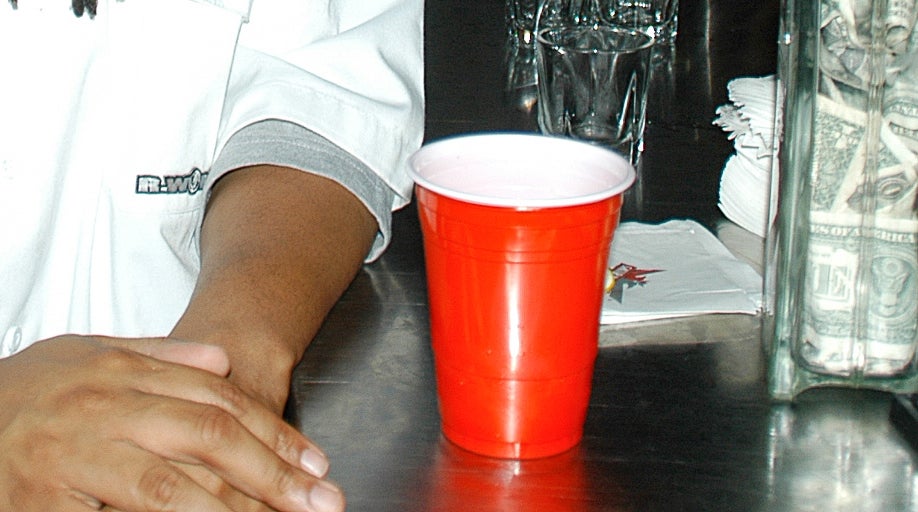
6. For decades, the classic red Solo cup included a set of faint horizontal ridges that many people assumed were just part of its design. In reality, those lines doubled as rough measurement guides for making popular mixed drinks. The lowest line, 1.5oz, was commonly used for liquor, the middle line, 5oz, for wine, and the top line, 12oz, for beer, giving people an easy way to estimate servings without measuring tools. Though Solo says the lines "mean something different for everyone!"
MaxkyTH / Getty Images/iStockphoto
Although the markings were never intended to be precise replacements for measuring cups, they became a clever feature that most people didn't realize existed. Modern red Solo cups no longer include these measurement lines, so newer versions have lost one of the cup's most recognizable hidden details 🙁.
Julia Beverly / Getty Images
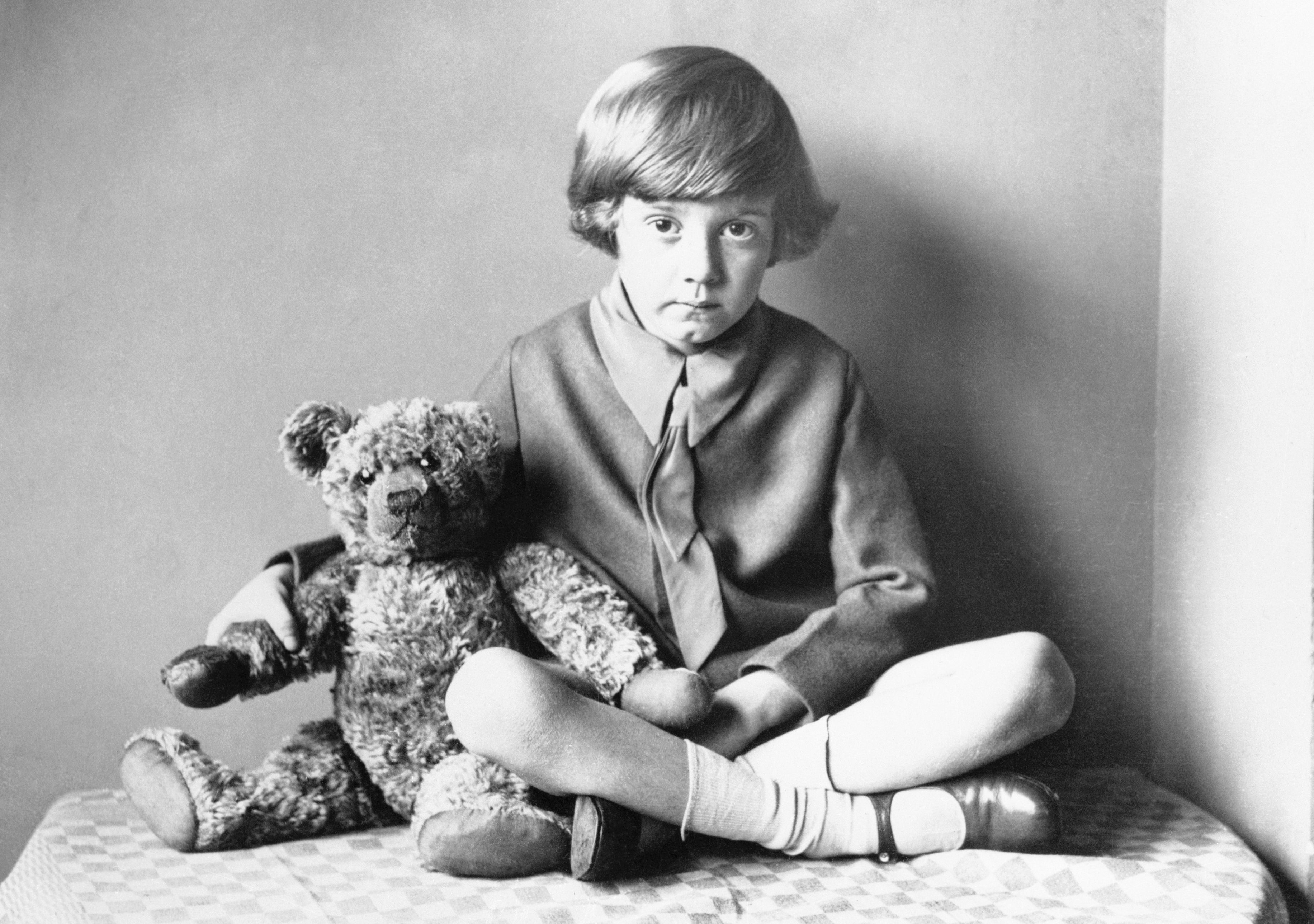
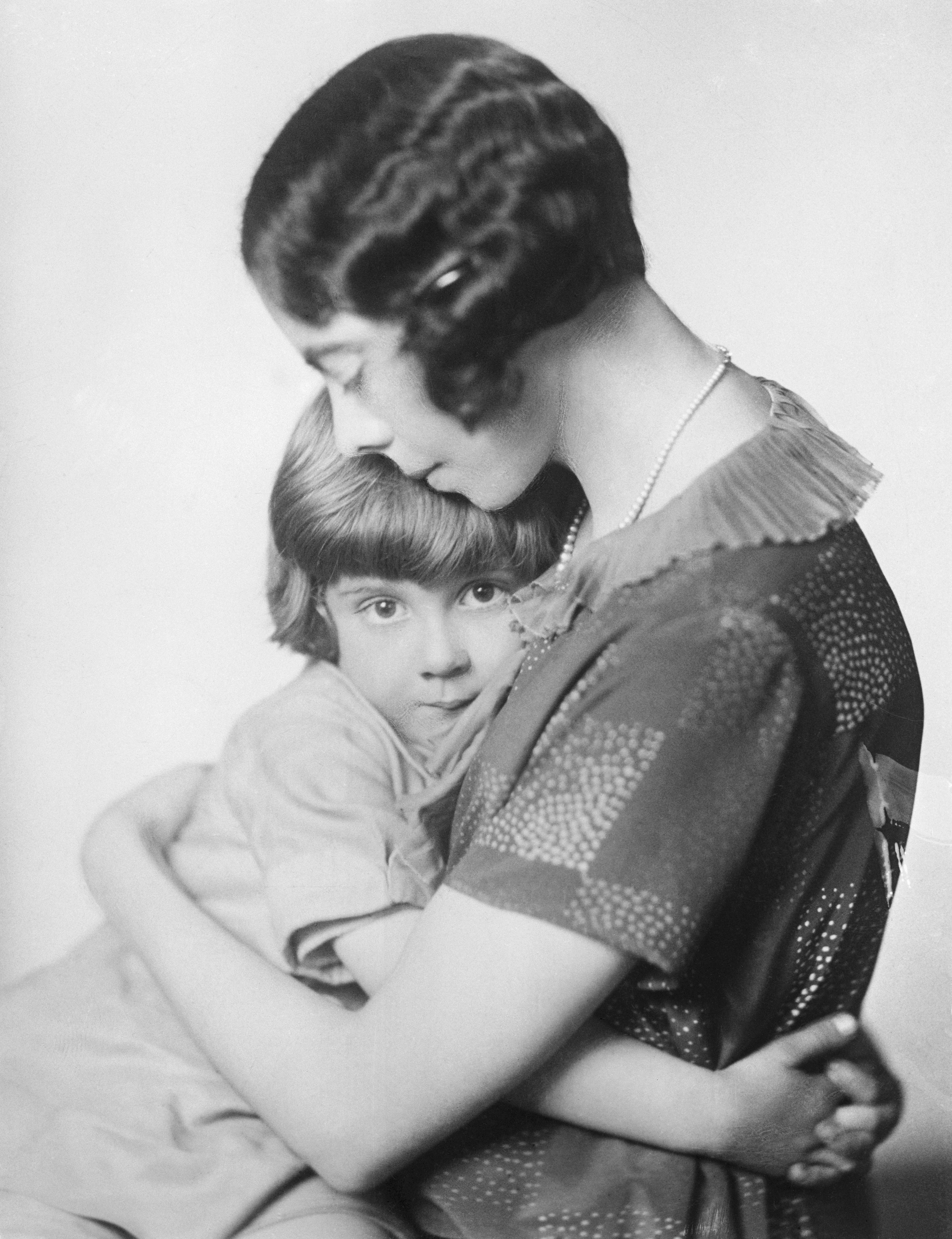
7. Christopher Robin, the little boy in the Winnie-the-Pooh stories, was based on a real child. He was inspired by Christopher Robin Milne, the son of author A. A. Milne. Milne began writing the stories in the 1920s and used his son and his son's stuffed animals as the foundation for the fictional world. Many of the characters, including Pooh (which was a teddy bear he got on his first birthday that he later renamed Winnie after a bear in the London Zoo that was named after the place it came from, Winnipeg, Canada), Piglet, and Eeyore, were based on the real toys Christopher Robin owned.
Bettmann / Bettmann Archive / Getty Images
Though, according to Christopher Robin, it was actually his mother, Daphne, who provided "most of the material" for his father's books, because she would come play with him in his room and later tell his father about the things he "thought and did." As the books grew in popularity, the real Christopher Robin (who went by the nickname Billy to his family) struggled with the attention and expectations placed on him. When he got older, he hated his connection to the stories, and it would estrange him from his parents. Despite those feelings, his perspective softened somewhat later in life, as he came to appreciate the joy the books had brought millions of readers around the world.
Bettmann / Bettmann Archive / Getty Images
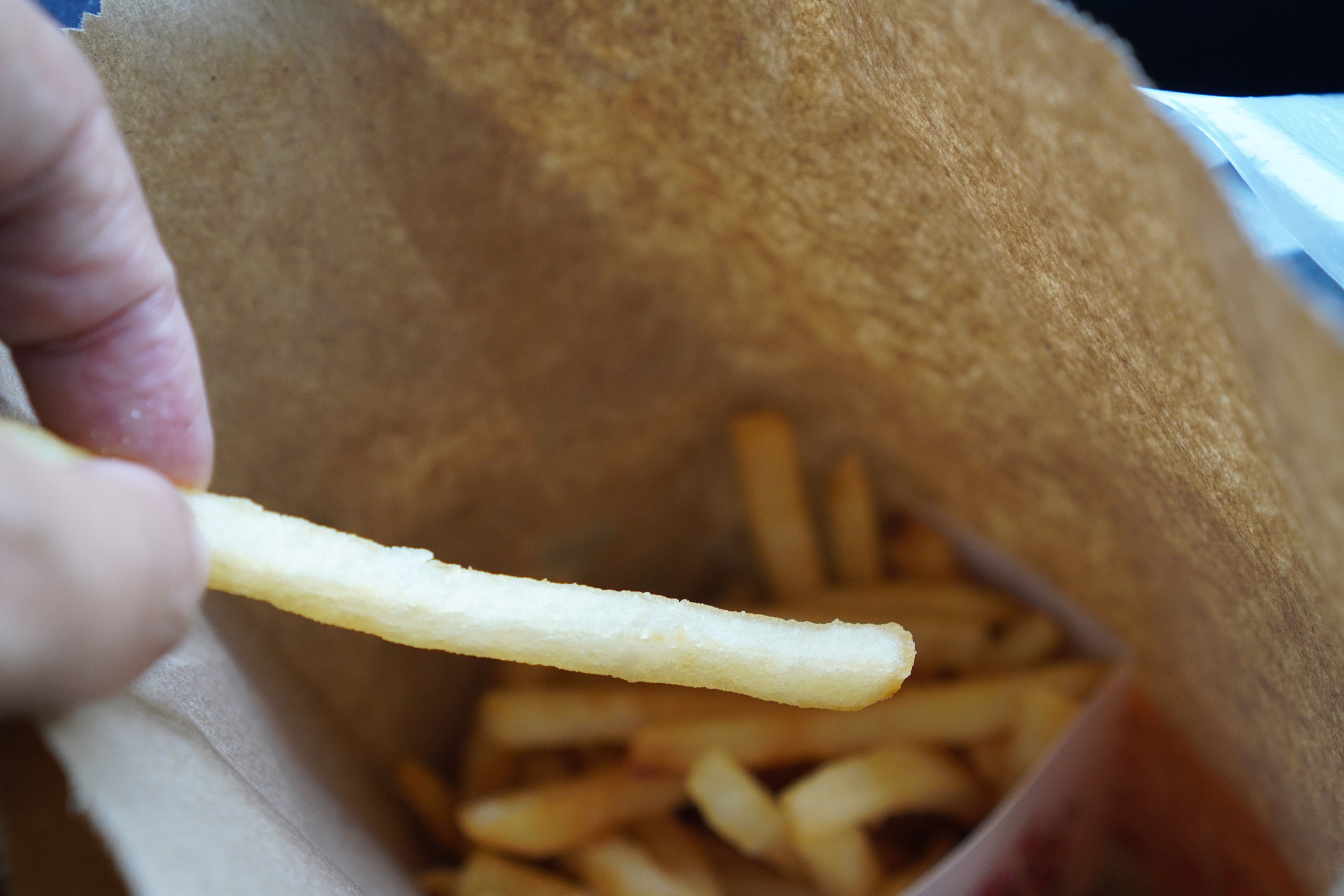
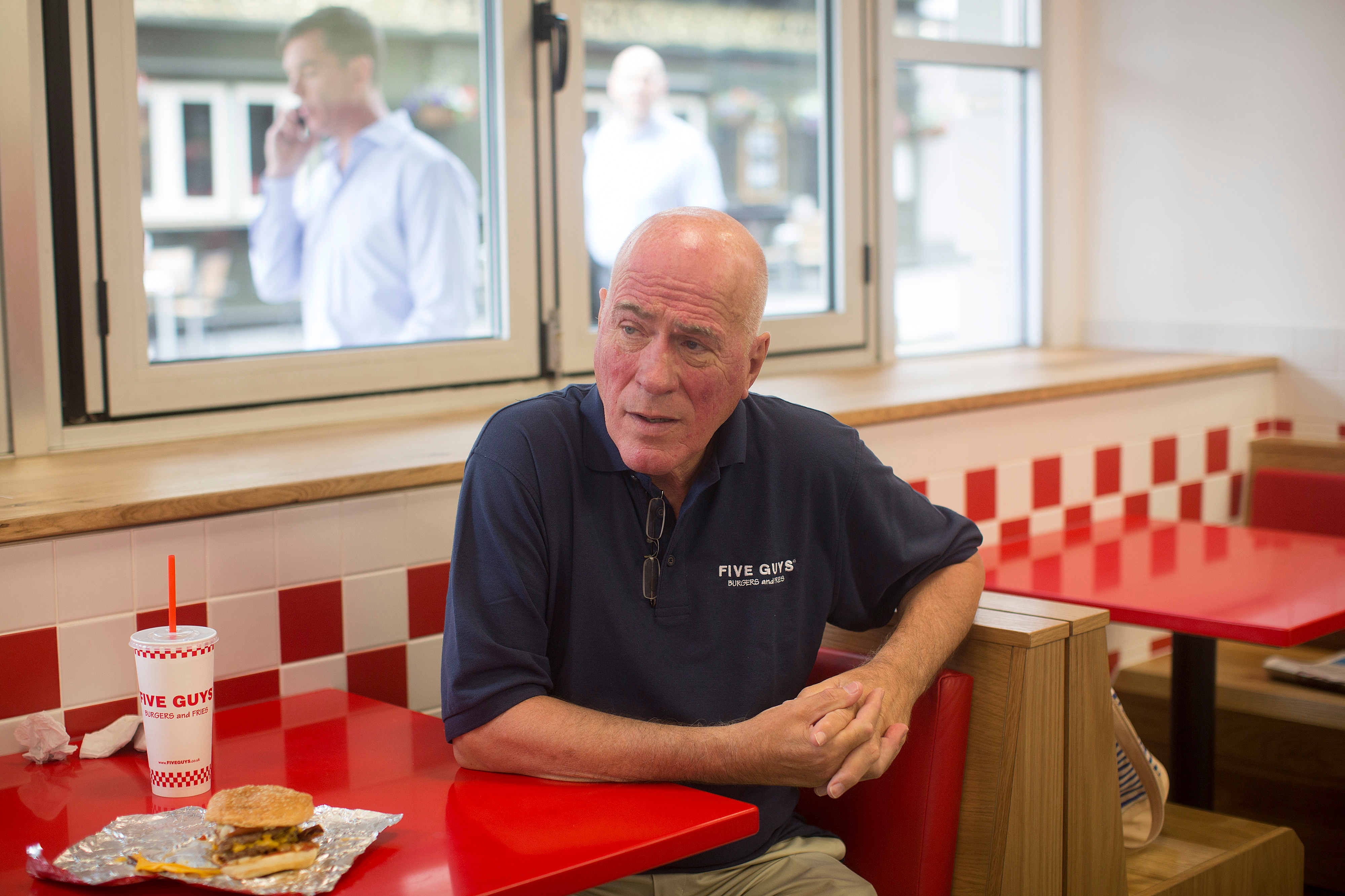
8. At Five Guys, it's common to see a bunch of extra French fries piled in the bottom of your bag under the cup, and that's intentional, not a mistake. The chain has a tradition of giving an extra scoop of fries on top of whatever size you order to make customers feel like they're getting a great deal.
Penpak S. / Getty Images
The extra fries aren't actually "free" in the sense of being outside the price you paid because the cost is already built into what they charge you. In other words, you're paying for the extra fries. Five Guys' founder Jerry Murrell and his family have said they prefer to give generous portions so people leave satisfied, even if some customers complain there are "too many."
Bloomberg / Bloomberg via Getty Images
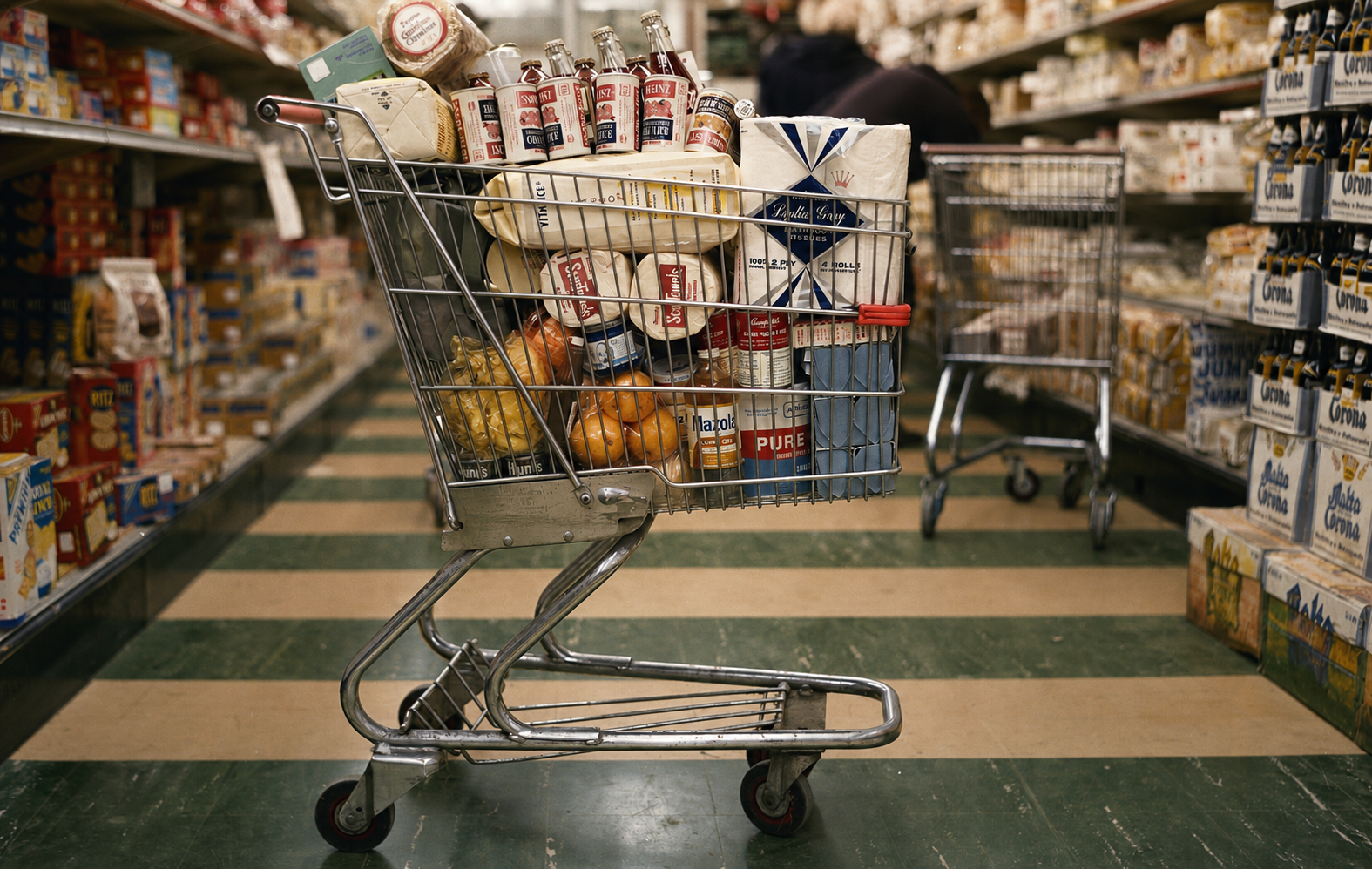
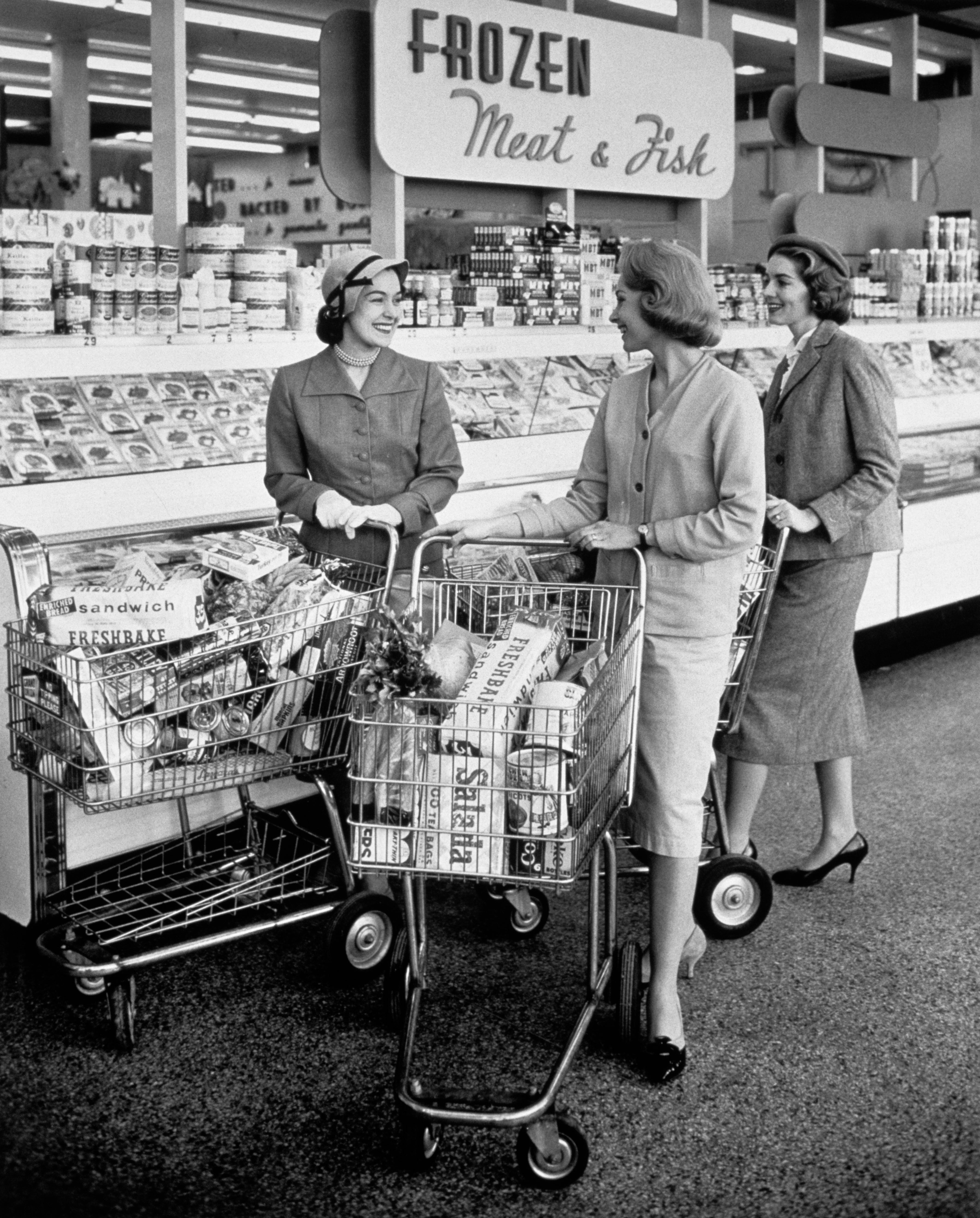
9. When the shopping cart debuted in 1937, it wasn't the instant success you might expect. Its inventor, supermarket owner Sylvan Goldman, created the cart to help customers carry more groceries and make shopping easier, since at the time people used baskets (either brought from home or provided by the store). The drawbacks were that people would only buy as much as they could hold while shopping, which meant they spent less.
DreamMedia / Getty Images
However, after they were introduced, many refused to use them. Women thought it looked too much like pushing a baby stroller, while men avoided it because they felt it made them appear weak. Frustrated by the lack of interest, Goldman hired models to pose as ordinary shoppers and fill their carts while walking through his stores. Seeing other customers confidently using the carts helped normalize the idea, and shoppers gradually began following their lead. The strategy worked, and the shopping cart went on to become one of the most influential innovations in retail.
Camerique / Getty Images
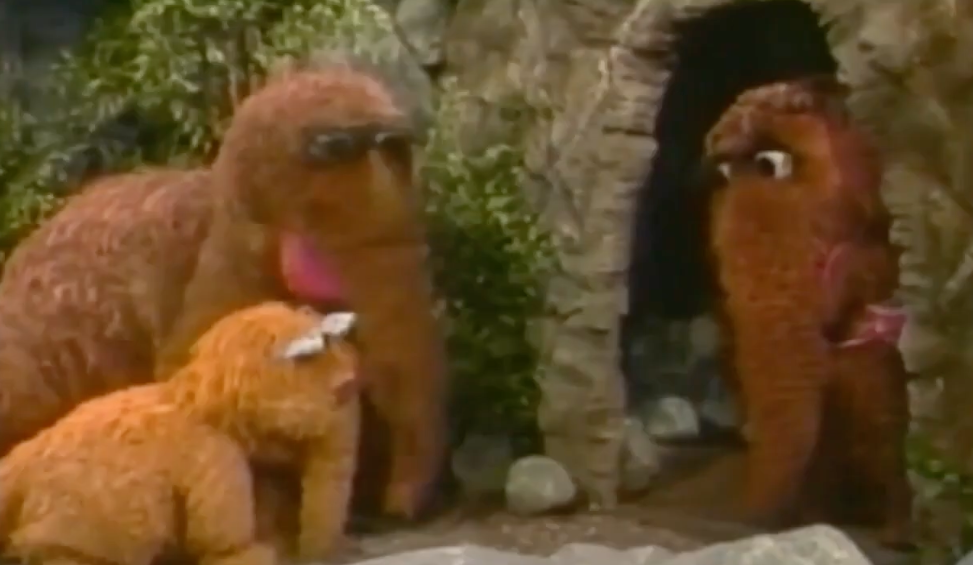
10. In 1992, Sesame Street produced an episode in which Snuffy's parents get divorced, but it never aired. The producers and writers decided it was time to tackle the difficult topic of divorce after a census report predicted that soon 40% of children would live in divorced homes. The writers created the episode "Snuffy's Parents Get a Divorce," in which Snuffy's parents separated, aiming to help children understand and cope with family changes. The goal was to provide reassurance and normalize the experience for kids going through similar situations.
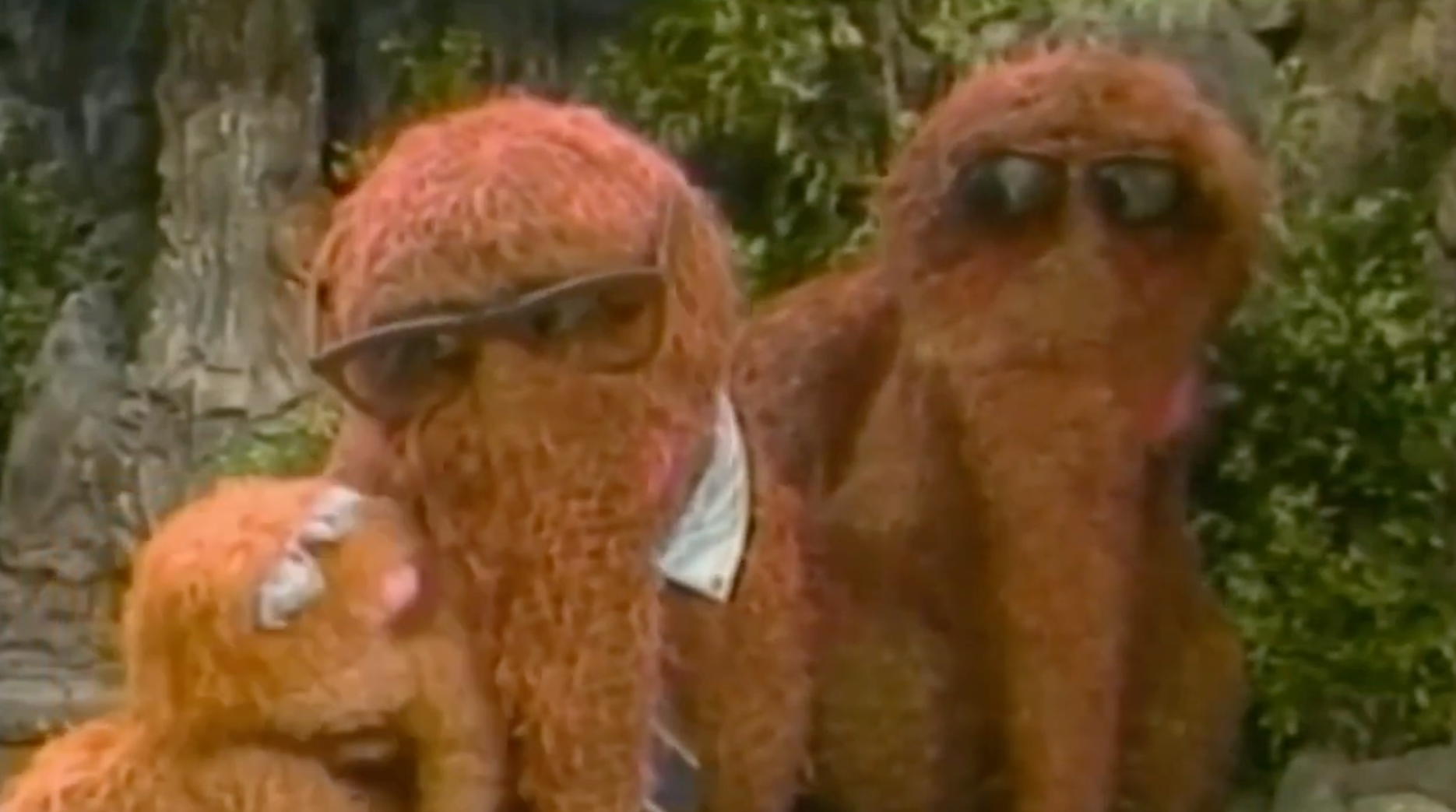
Before even filming it, the producers reviewed the script for the episode carefully, knowing that it was a sensitive topic for young viewers. However, after filming it, the episode was screened at three preschools, and it got immediate backlash from its child viewers, who assumed that hearing their parents fighting would lead to divorce or that Snuffy would never see his dad again. It was also confusing because Snuffy's dad had never been a character on the show before. After the feedback, the producers decided it was better to scrap the episode.
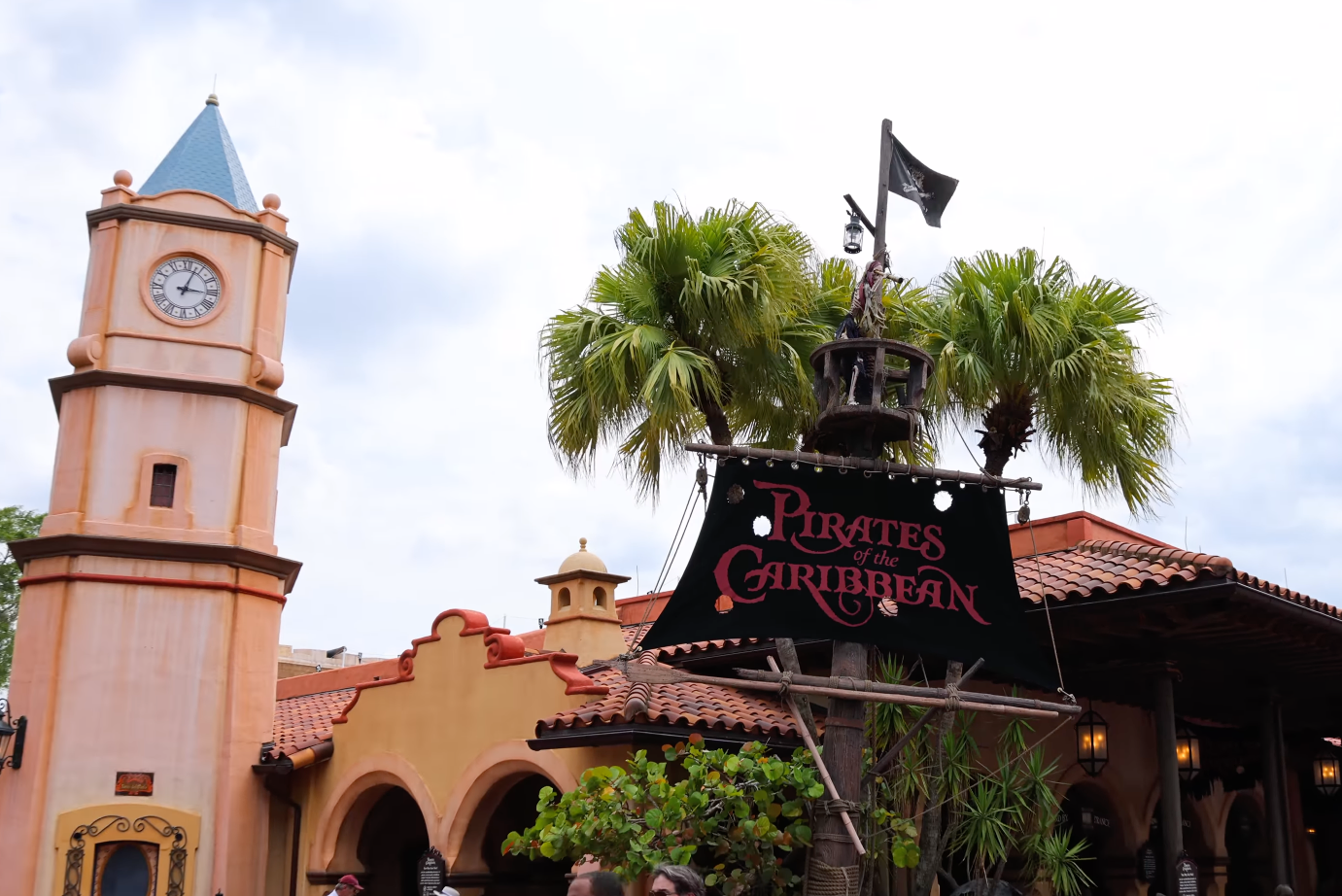
11. The Magic Kingdom at Walt Disney World was never meant to have a Pirates of the Caribbean ride. When the park was being planned in the late '60s, Disney didn't think a Pirates of the Caribbean ride made sense for Florida. The original ride had just opened at Disneyland in 1967 and had been extremely popular, but executives believed Floridians wouldn't be interested in a pirate attraction when they already lived so close to coastal areas where real pirates had historically operated.
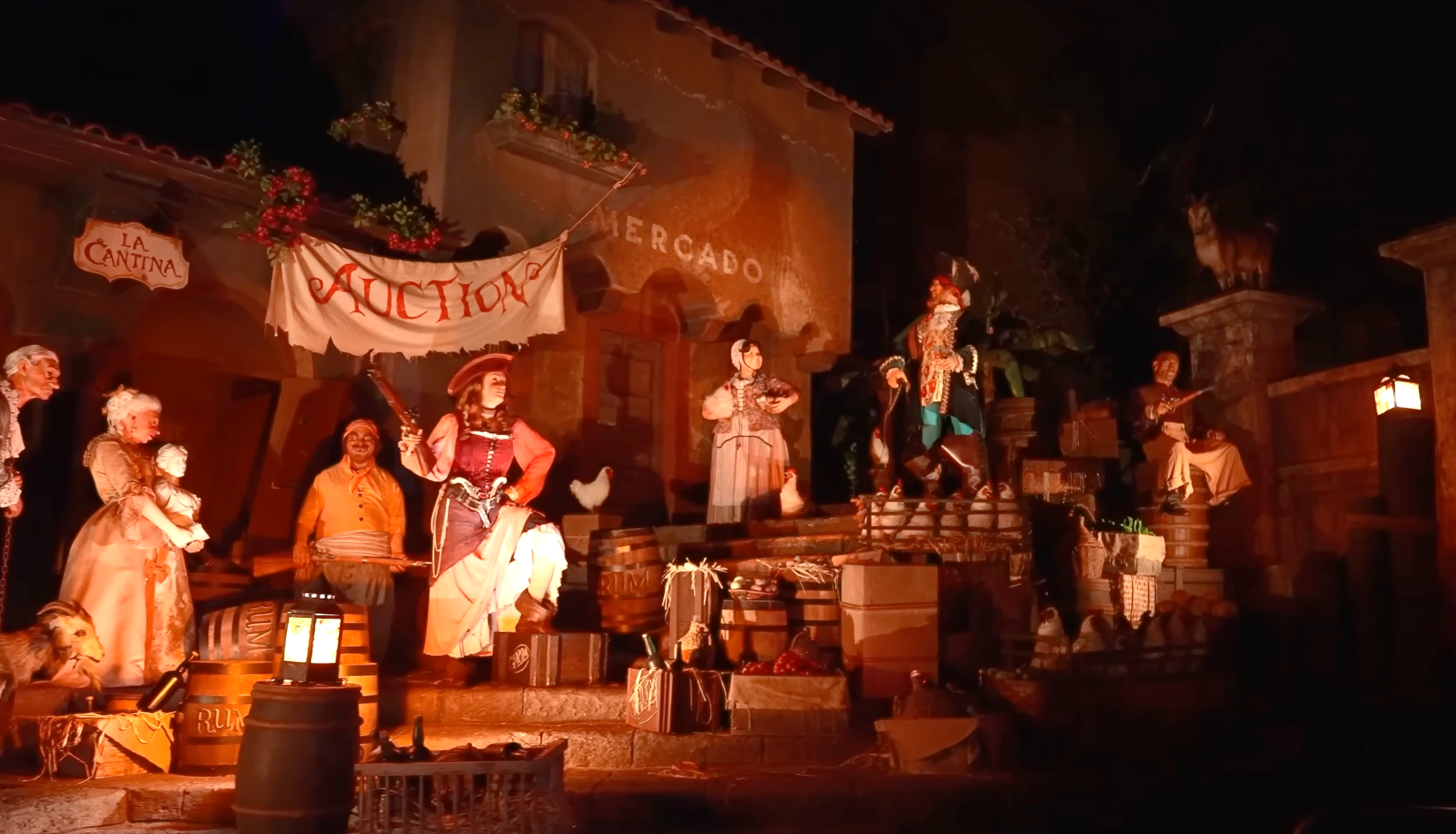
Instead, Magic Kingdom was designed to debut Western River Expedition at a later date as its big, groundbreaking ride, filling the "dark ride" role that Pirates played in California. The ride would have been massive, built in Frontierland, and would have housed a water ride themed to the Old West and a minecart roller coaster that would later become Big Thunder Mountain Railroad. However, after the park opened in 1971, guests kept asking cast members where the Pirates ride was and were surprised it wasn't there. The demand became so loud that Disney reversed course and approved a Florida version to be built with some of the money that was meant for Western River Expedition. Reportedly, the reason the Florida version is shorter and is missing several scenes that are in the California version is because it was built in such a rush.
12. And lastly, Marilyn Monroe was never supposed to wear her iconic hot pink gown in Gentlemen Prefer Blondes. Costume designer William Travilla originally created a much more "revealing" outfit — a black fishnet body stocking with nude fabric underneath, rhinestones, and diamond necklaces — for Monroe to wear during the "Diamonds Are a Girl's Best Friend" scene. During filming, however, journalist Aline Mosby revealed that Monroe had posed nude for a calendar in 1949. While 20th Century Fox wanted Monroe to deny it, she didn't, telling Mosby, "Why deny it? You can get one at any place. Besides, I’m not ashamed of it. I've done nothing wrong."
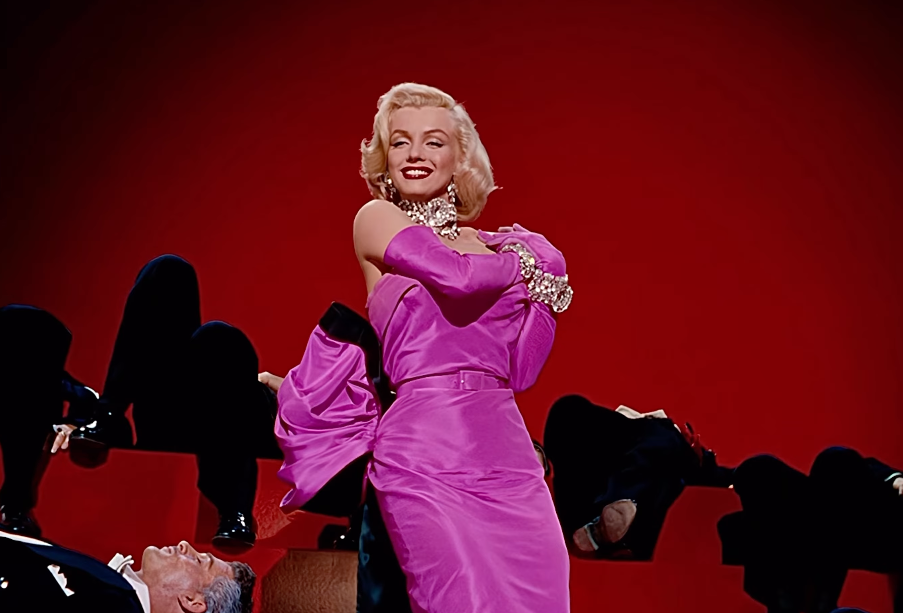
Executives at the studio were worried about adding to the controversy, fearing that it could damage both her image and the film, so they asked Travilla to quickly create a more modest replacement. With only about a week, Travilla created the strapless pink satin gown paired with matching opera gloves — he even designed a bodice that could be added if executives thought the dress was still too risqué. Ironically, the replacement costume went on to become one of the most famous dresses in movie history. Monroe was right about her nude photo being everywhere, as it would be published in the first issue of Playboy in 1953, which was the same year Gentlemen Prefer Blondes premiered.
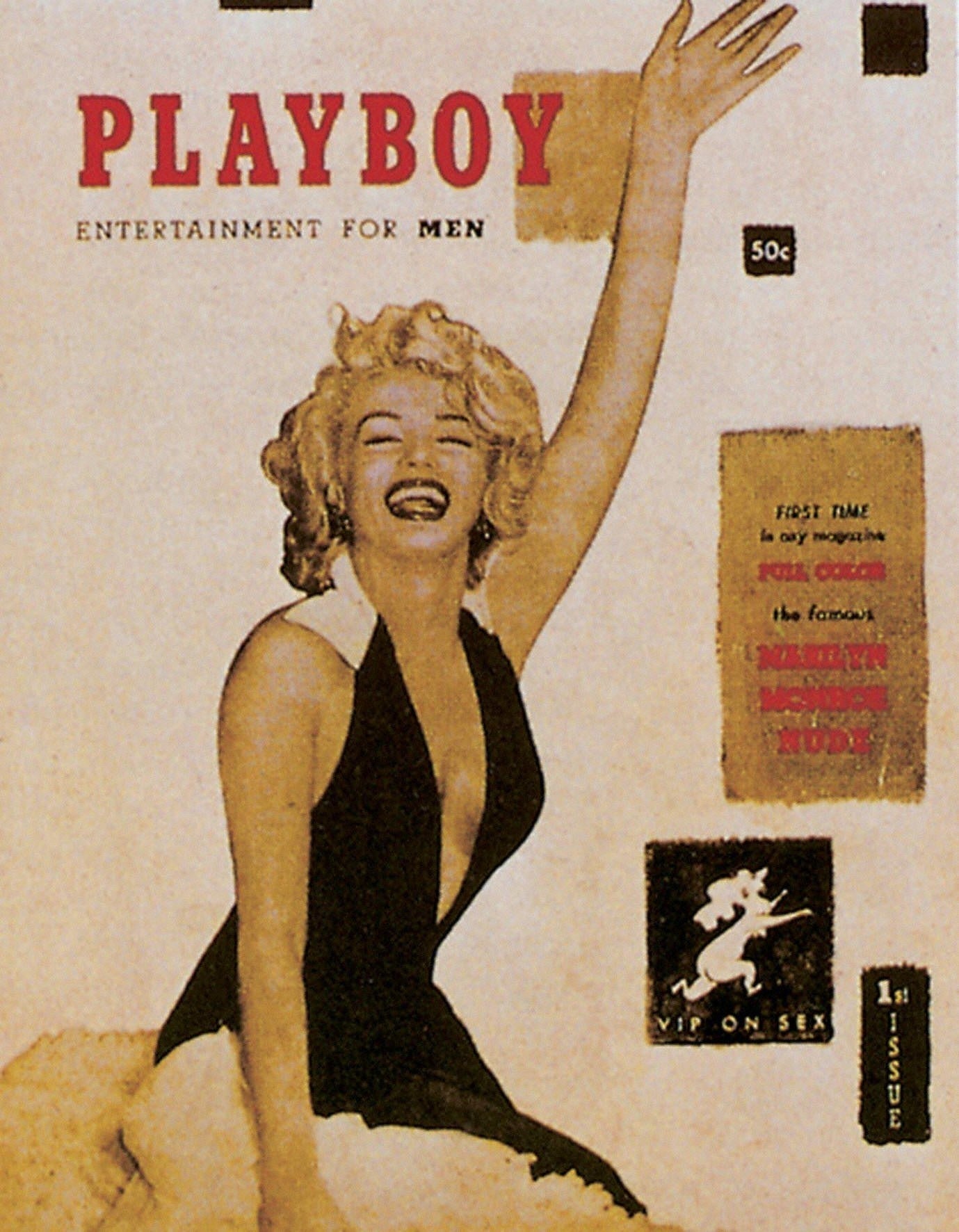
Photo 12 / Universal Images Group via Getty Images









 English (US)