
 International
  Politics
  Local
Local  Finance
  Sports
  Entertainment
  Lifestyle
  Technology
  Literature
  Science
  Health
  1 year ago
17
1 year ago
17
There is actually a very subtle nod to Chadwick Boseman hidden in "Sinners."
There are obviously MASSIVE spoilers ahead for Sinners!
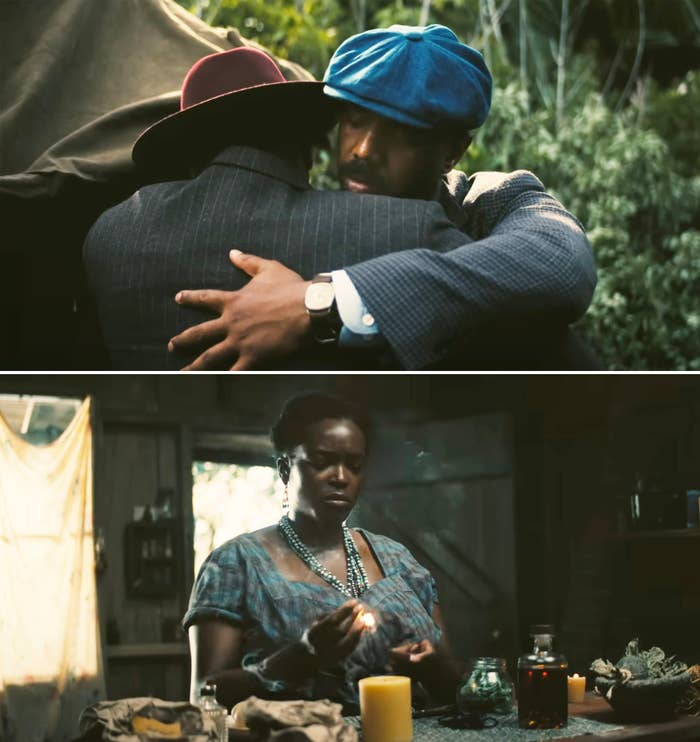
1. First, Smoke and Stack's red and blue color palettes in Sinners are significant. Blue represented a connection to the spiritual world, which is why Smoke and Annie are wearing shades of blue in the film. It's also often associated with calmness, serenity, wisdom, and sadness. The sadness aspect would connect to Smoke and Annie mourning the loss of their child, too.
Warner Bros / Via youtube.com
Haint blue is the specific shade that is associated with Annie's home, according to production designer Hannah Beachler.
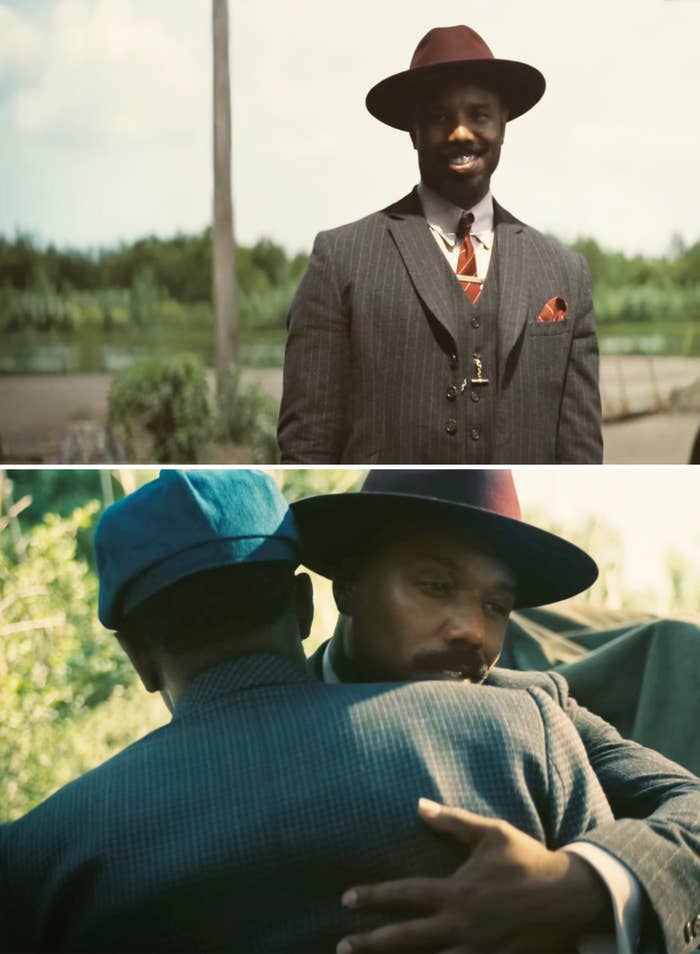
2. Meanwhile, red represented a connection to blood, life, and being shrouded in darkness, which is also seen with how he's filmed using a lot of shadows by the director of photography, Autumn Durald Arkapaw. It's also associated with power, danger, passion, and sexuality, with that connection to Stack and his relationship with Mary.
Warner Bros / Via youtube.com
The use of red and blue has been used by production designer Hannah Beachler in all of Ryan Coogler's films, such as Fruitvale Station and Creed.
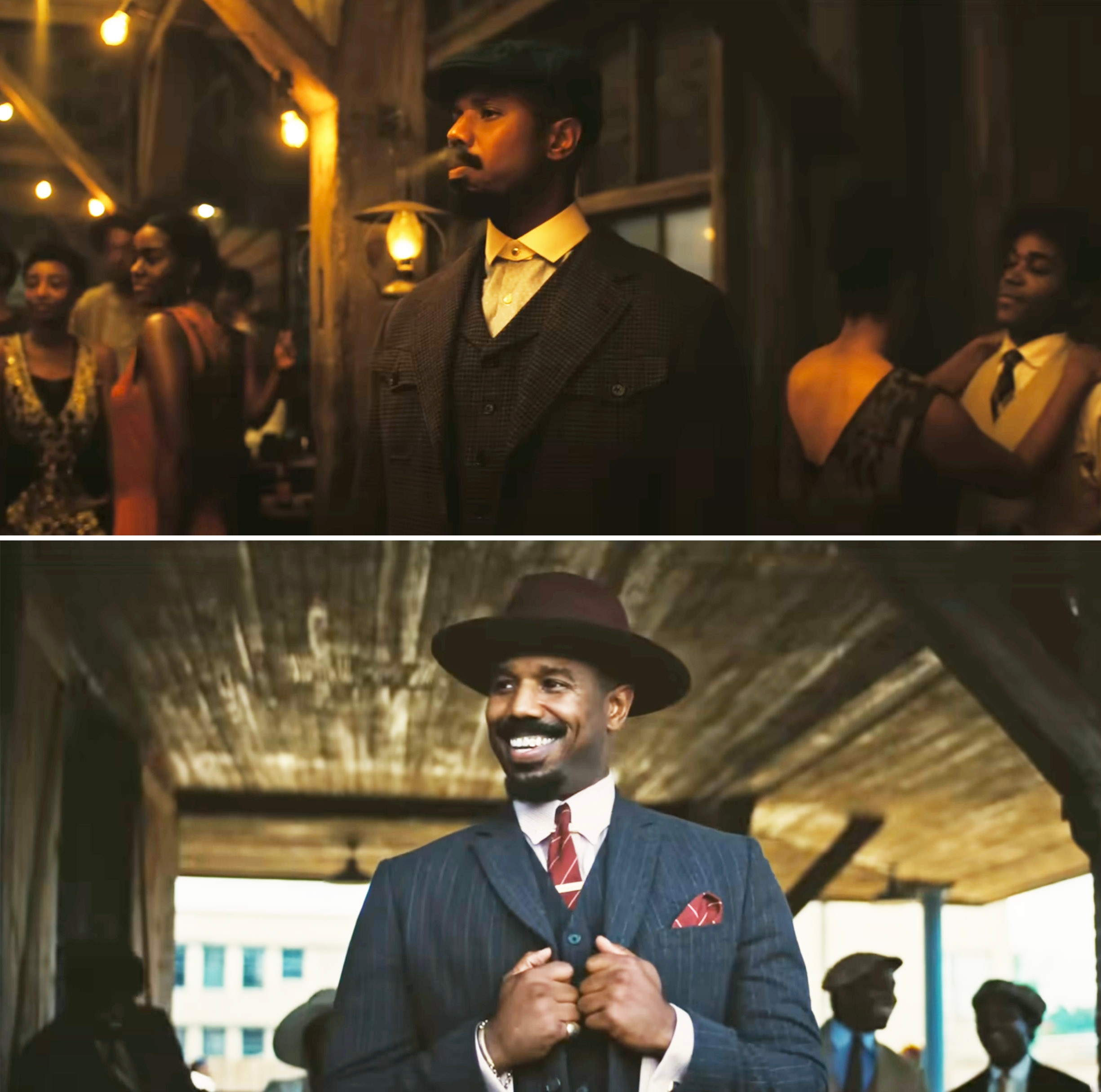
3. While Smoke and Stack dress similarly in the beginning of Sinners, their suits seemingly pay homage to the typical looks of the Italian and Irish mobs, with Stack dressed like an Italian mobster, while Smoke is dressed like the Irish. In the film, Mary points out that they ripped off both the Italians and the Irish in Chicago before coming back to the Mississippi Delta.

Warner Bros / Everett Collection
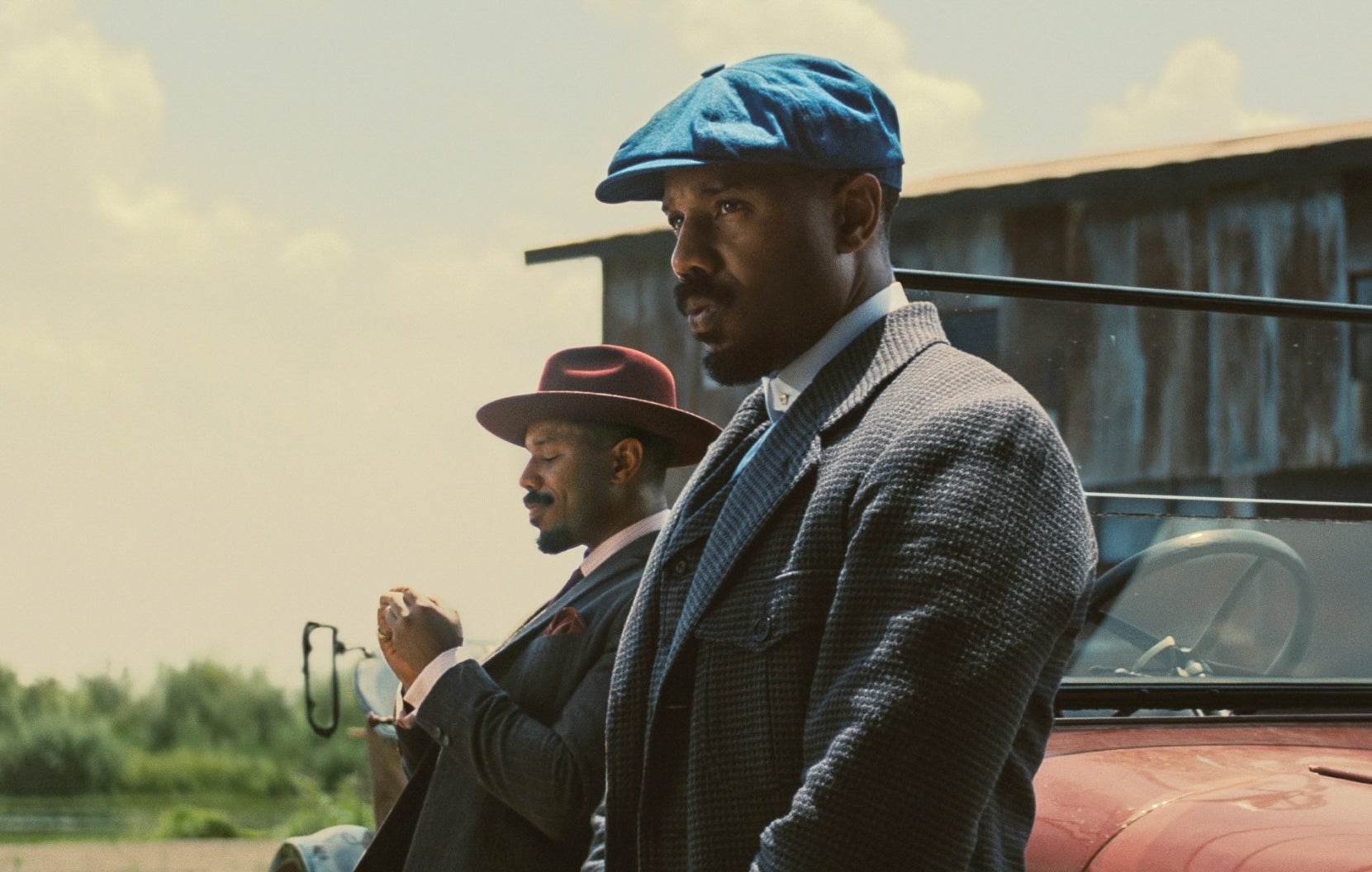
4. Smoke and Stack are also meant to represent the Maya Hero Twins, who are central figures in the Popol Vuh, which recounts the mythology and history of the K'iche' people, and relates to Mayan and Central American culture. It's said that the twins, Hunahpu and Xbalanque, embark on several journeys that ultimately lead them to the underworld.
Warner Bros / Everett Collection
5. Also, the Hero Twins are known for outsmarting the Lords of Death, which leads to them becoming celestial bodies, aka the sun and the moon. Resurrection and the relationship between life and death are central themes in the twins' stories, much like with Smoke and Stack in Sinners.
6. The significance of Remmick being Irish connects back to Irish and Black Americans during the 19th century, where both groups were pushed into conflict with each other. They were often in competition with each other for housing, jobs, etc., and faced oppression as second-class citizens at the time. However, the Irish used their whiteness to their advantage, much like Remmick does in the film.
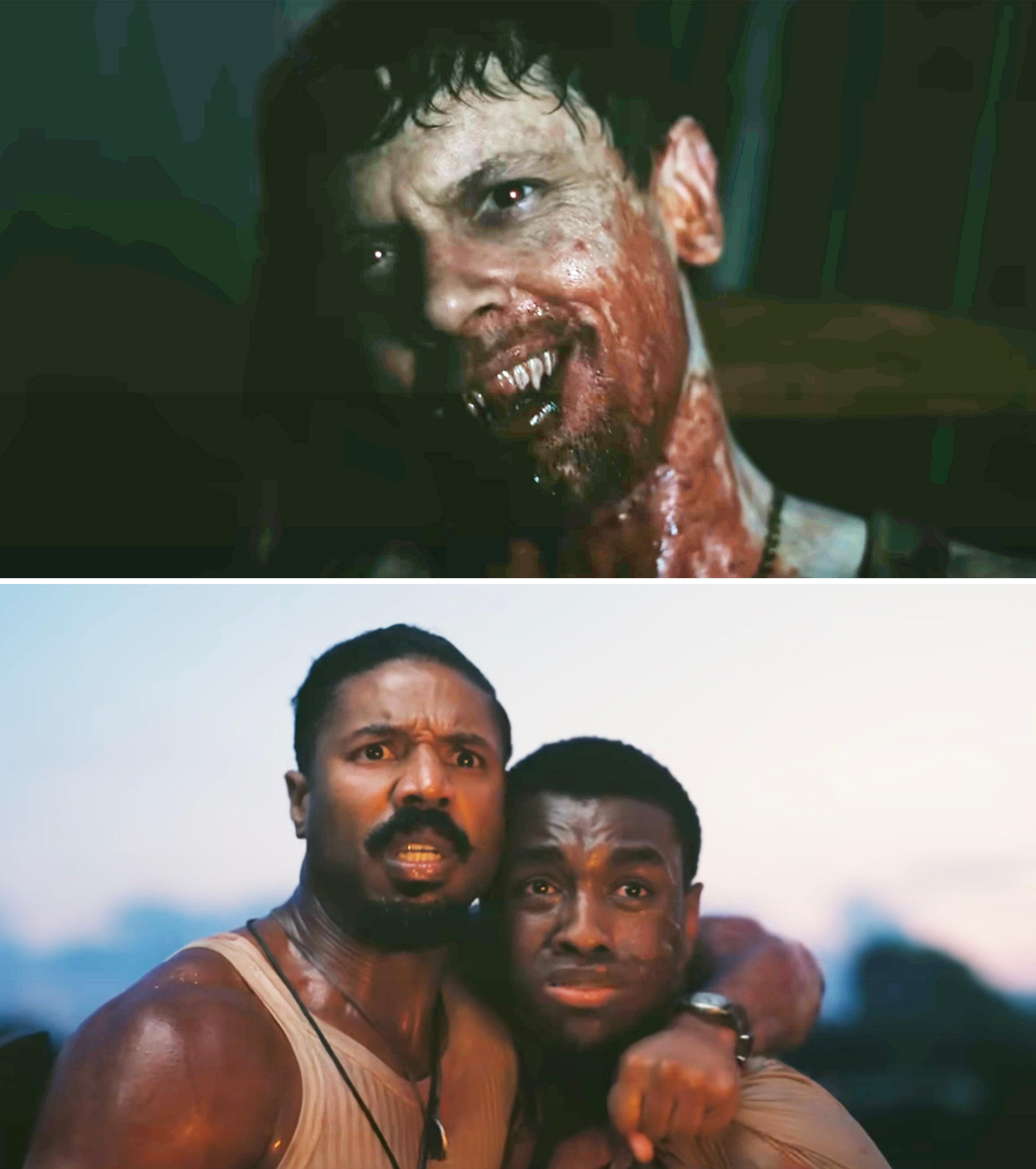
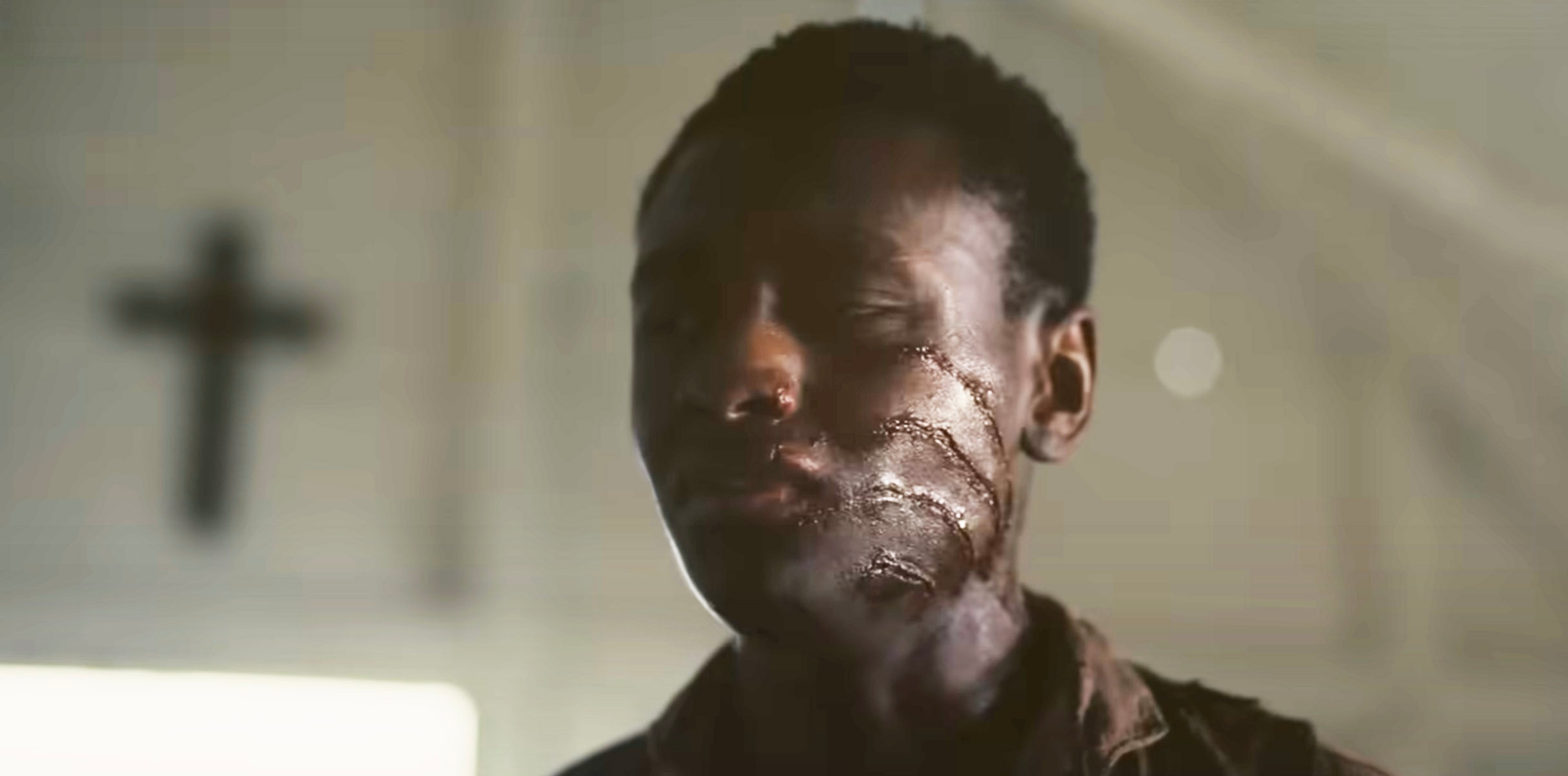
7. In the rafters of Jedidiah's church, there are three crosses on the wall behind the altar, which are meant to represent The Father, The Son, and the Holy Spirit, according to production designer Hannah Beachler. When Sammie and his dad are standing under the crosses, they are meant to represent the fourth cross.
Warner Bros / Via youtube.com
Beachler told Variety, "When Sammie walks in holding the bit of guitar, he walks directly under the cross. I wanted them between that and it to be a juxtaposition to this veil that’s been opened, and that they’re standing in this very spiritual space together, where Sammie has a decision to make."
8. Also, the beams the crosses hold are "exactly 33 inches apart," according to Beachler, because that is the age Jesus died and the number represents the end.
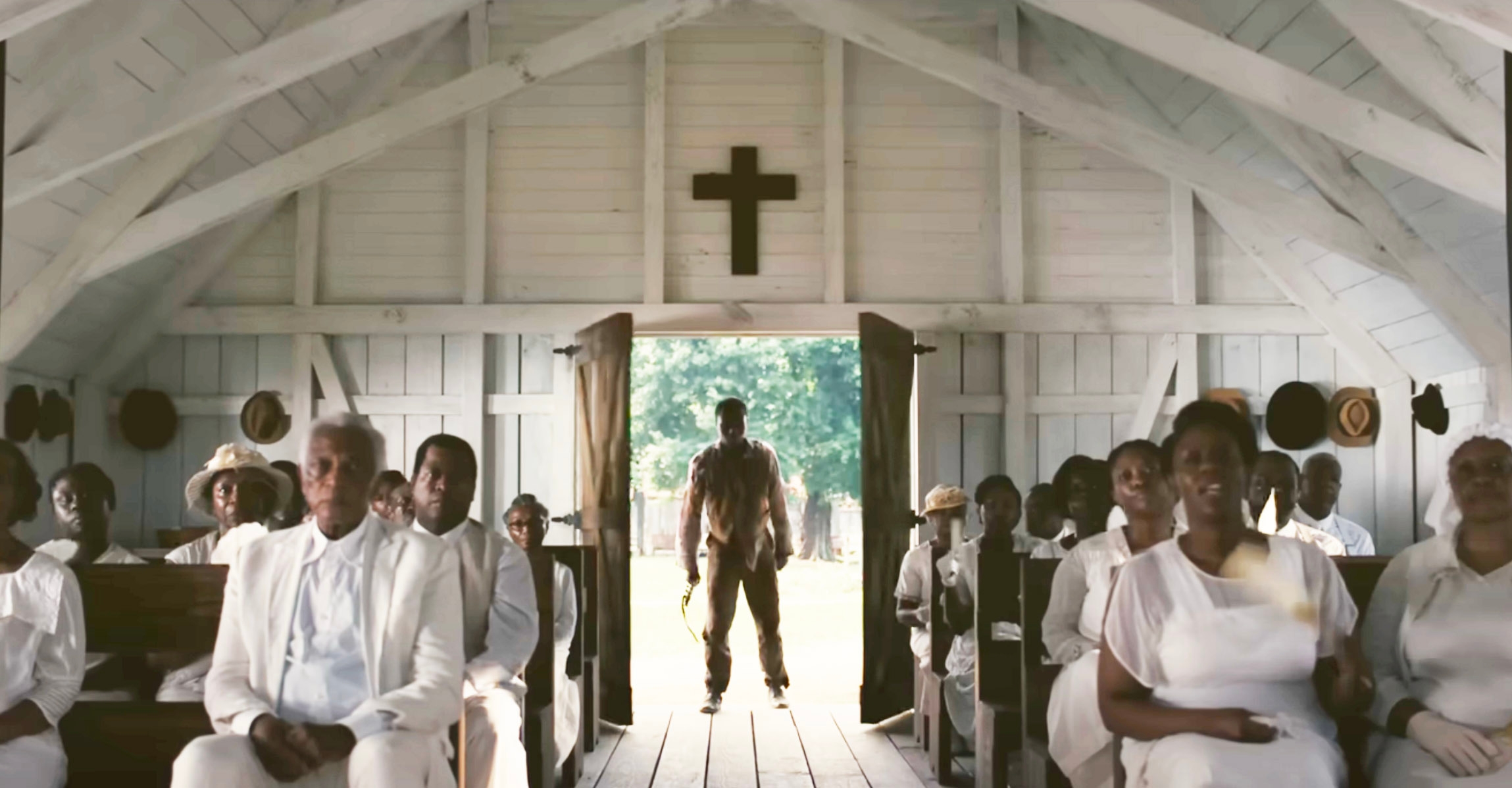
9. And, the crossed beams at the very top are actually a subtle nod to Chadwick Boseman, who, of course, starred in Ryan Coogler's Black Panther films and was a good friend of his. The beams are crossed so they symbolize the Wakanda Forever gesture that Chadwick's T'Challa did through the Marvel films.
Threee crosses, Sammy & his Father are The Father, The Son&The Holy Spirit. The rough sawn beams the crosses hold are exactly 33 inches apart, the age Jesus died, & the number that represents the end
The crossed beams above are for Chadwick, making the Wakanda Forever gesture pic.twitter.com/a9J3afdfr4
Hannah Beachler / X / Via x.com
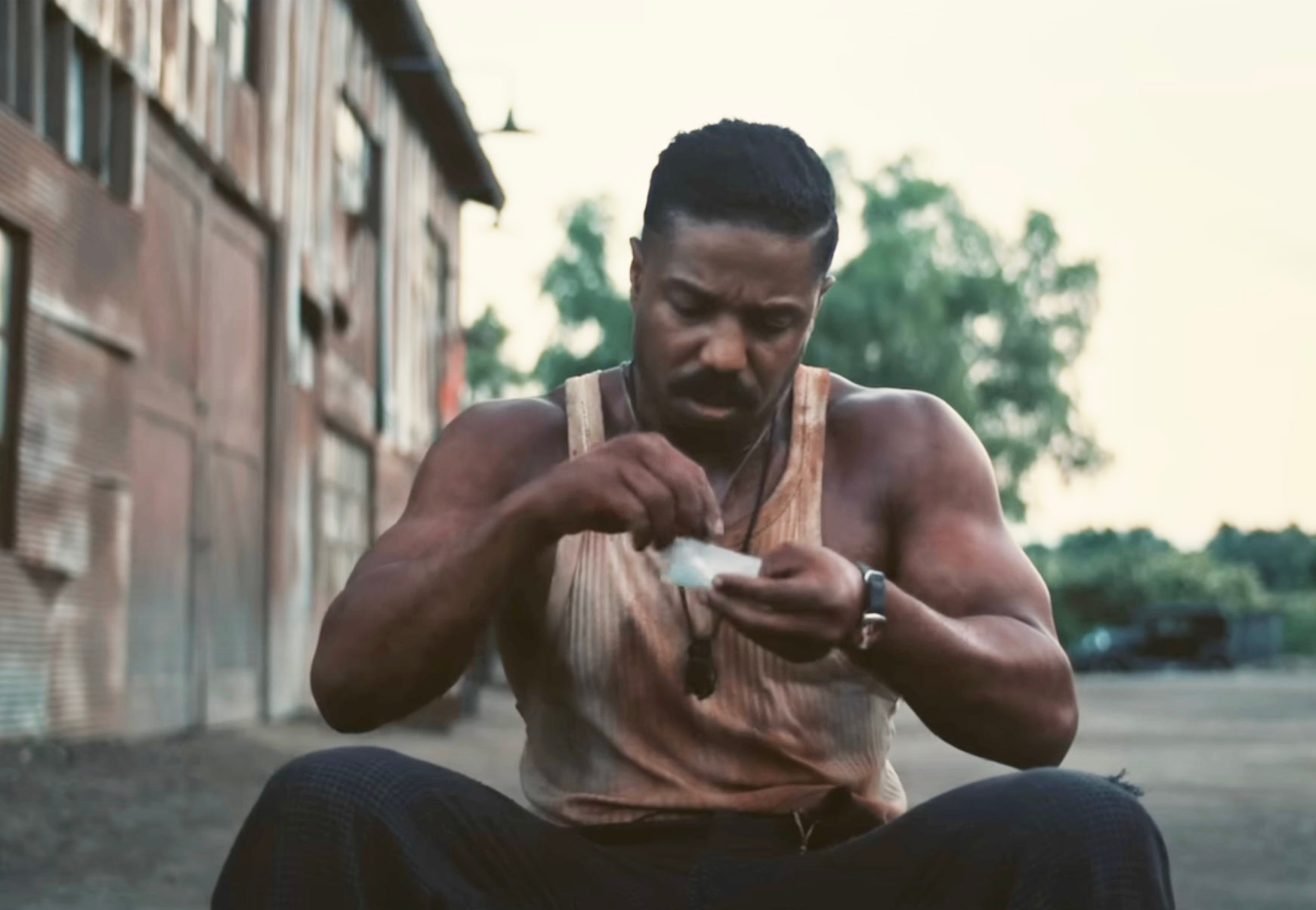
10. Throughout the film, you'll notice that Smoke's hands shake, which is why he has trouble rolling a cigarette for himself towards the end. Up until this point, Stack would hand him cigarettes he rolled, and after he died, Smoke wasn't able to do it on his own. This is why, after Stack's death, the next time we see Smoke smoking is when he takes a cigarette from Bert after he shoots him.
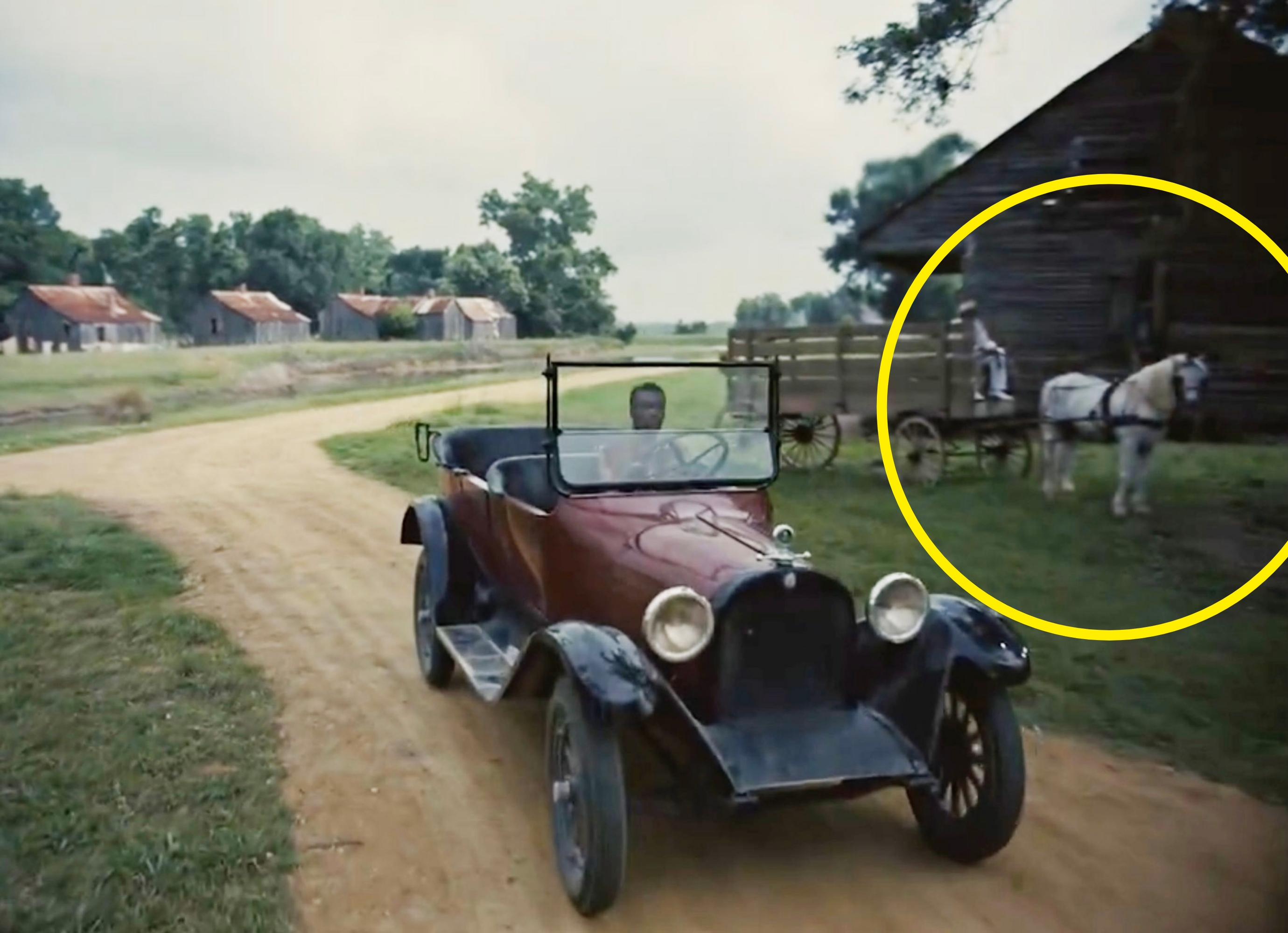
11. When Sammie returns to the church in the car, you'll notice there is a white horse pulling a cart nearby. The color of the horse is intentional and related to the four horsemen. According to scholars, the first horseman rides a white horse, with some interpreting it to symbolize Christ or the Antichrist.
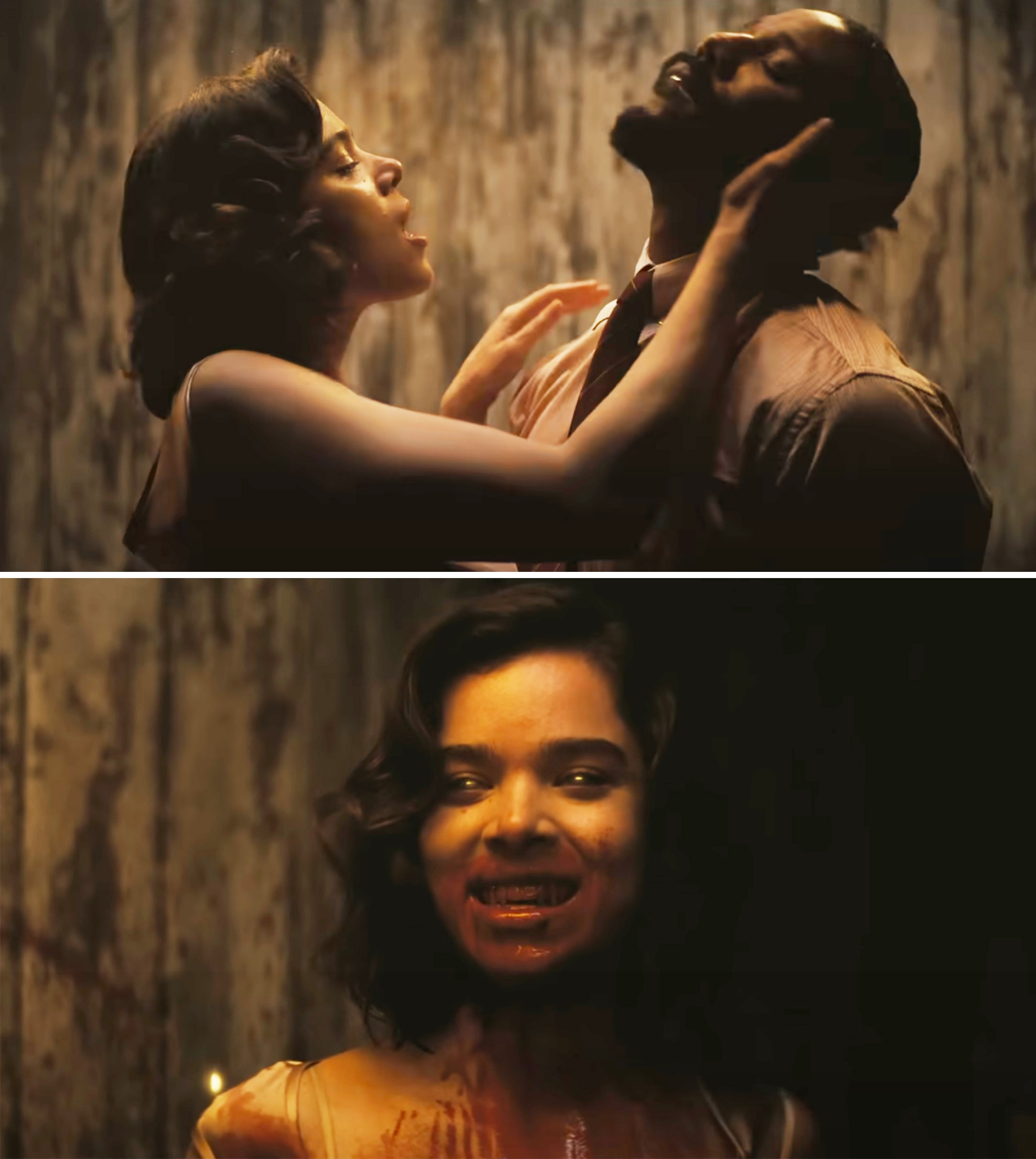
12. In their first scene together, Mary tells Stack to go to hell, and he tells her he'll save her a room. This foreshadows their ending, where Mary ultimately dies first and saves him a place next to her instead.
13. Bo and Grace's characters, and the fact that they run a grocery store, is a nod to real history and how Chinese immigrants came to the US and settled in the Mississippi Delta. At the time, the stores owned by Chinese immigrants served the Black community, when the white community would not. According to The Untold Story of America's Southern Chinese, more than 70% of the Mississippi Delta population in 1940 got their groceries and everyday goods from a small Chinese community made up of only around 743 people.
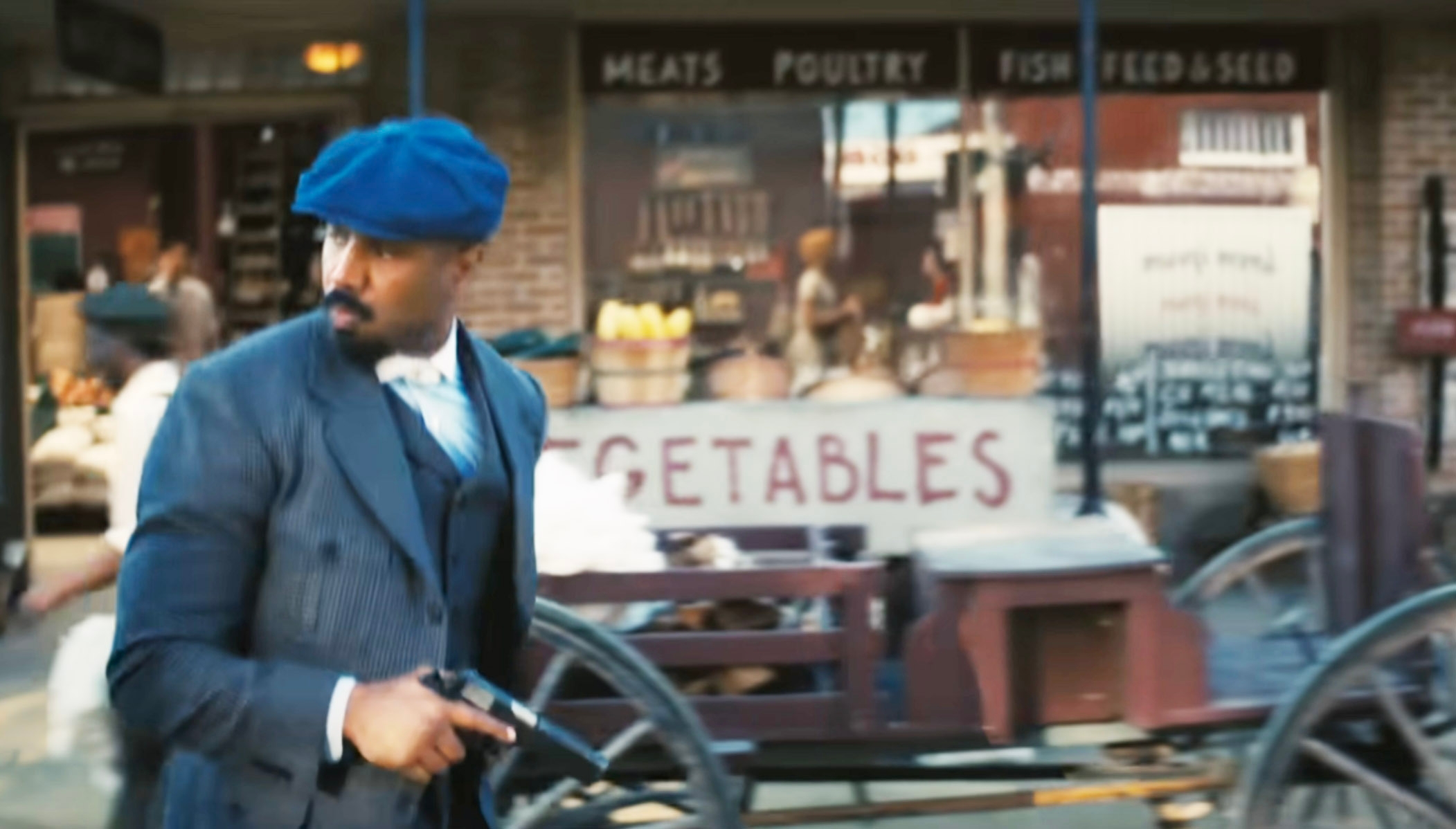
14. When Smoke goes into town to get Grace and Bo's help, you'll notice one of the restaurants on the main road is King Tamales. Tamales are thought to have come to the Mississippi Delta in the early 20th century, when laborers from Mexico arrived to work alongside Black Americans.
#SinnersMovie Tamales came to the Mississippi Delta early 1900s via Mexican Migrant workers. The Migrant workers shared their recipes w/ Black Sharecroppers, and Tamales became a beloved staple in the Delta to this Day. Sollys Hot Tamales in Vicksburg is the most famous I'm told. pic.twitter.com/AnEy0Ayf8D
— HannahBeachler (@HannahEBeachler) May 3, 2025Hannah Beachler / X / Via x.com
15. Also in town, Black Bird Cafe was named after "Black Bird" by the Beatles. Production designer Hannah Beachler tweeted, "On March 26th, 1998 when I was giving birth to my son I played Black Bird by the Beatles in the hospital room, 'Take these broken wings and learn to fly.' Those words feel like my life."
#SinnersMovie Downtown on the Black Side of town I named the Cafe "Black Bird Cafe." On March 26th, 1998 when I was giving birth to my son I played Black Bird by the Beatles in the hospital room, "Take these broken wings and learn to fly." Those words feel like my life. pic.twitter.com/534UWESOSm
— HannahBeachler (@HannahEBeachler) May 3, 2025Hannah Beachler / X / Via x.com
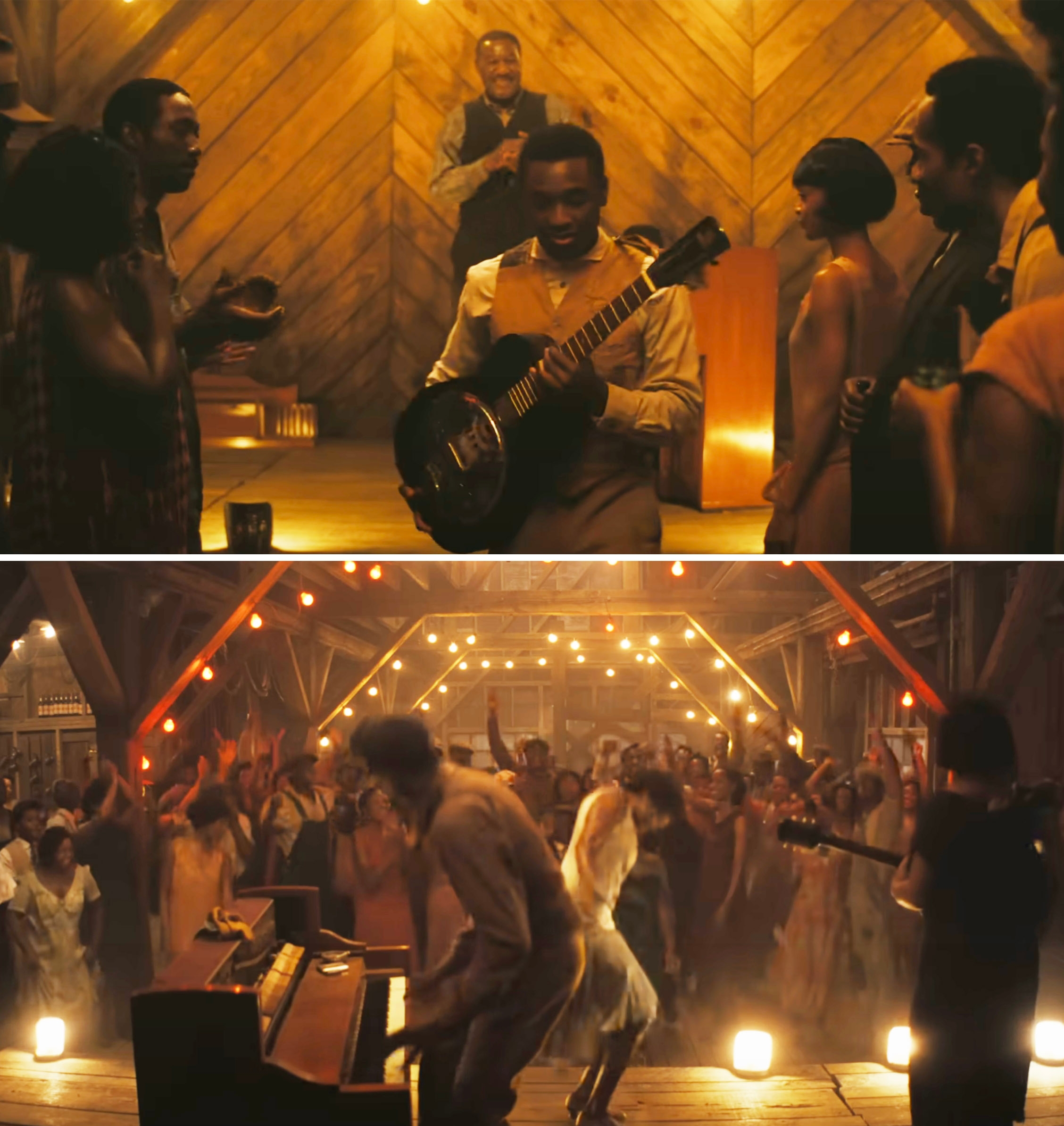
16. Inside the juke joint, production designer Hannah Beachler and her team painted lines on the back of the rust wall where the entrance is. The lines actually represent the equalizer where the bars stop on the chorus if you were playing "Smokestack Lightning" by Howlin' Wolf on a cassette player.
Warner Bros / Via youtube.com
She told Variety, "So that chorus sort of lived in the juke joint and over everyone."
17. "Will Ye Go, Lassie, Go," aka "Wild Mountain Thyme," which is sung by Remmick, is a traditional Irish and Scottish folk song. The song is traditionally used to express deep affection and desire for a simple life rooted in love and the beauty of nature. It's also sometimes associated with a person's journey beyond the earthly realm.
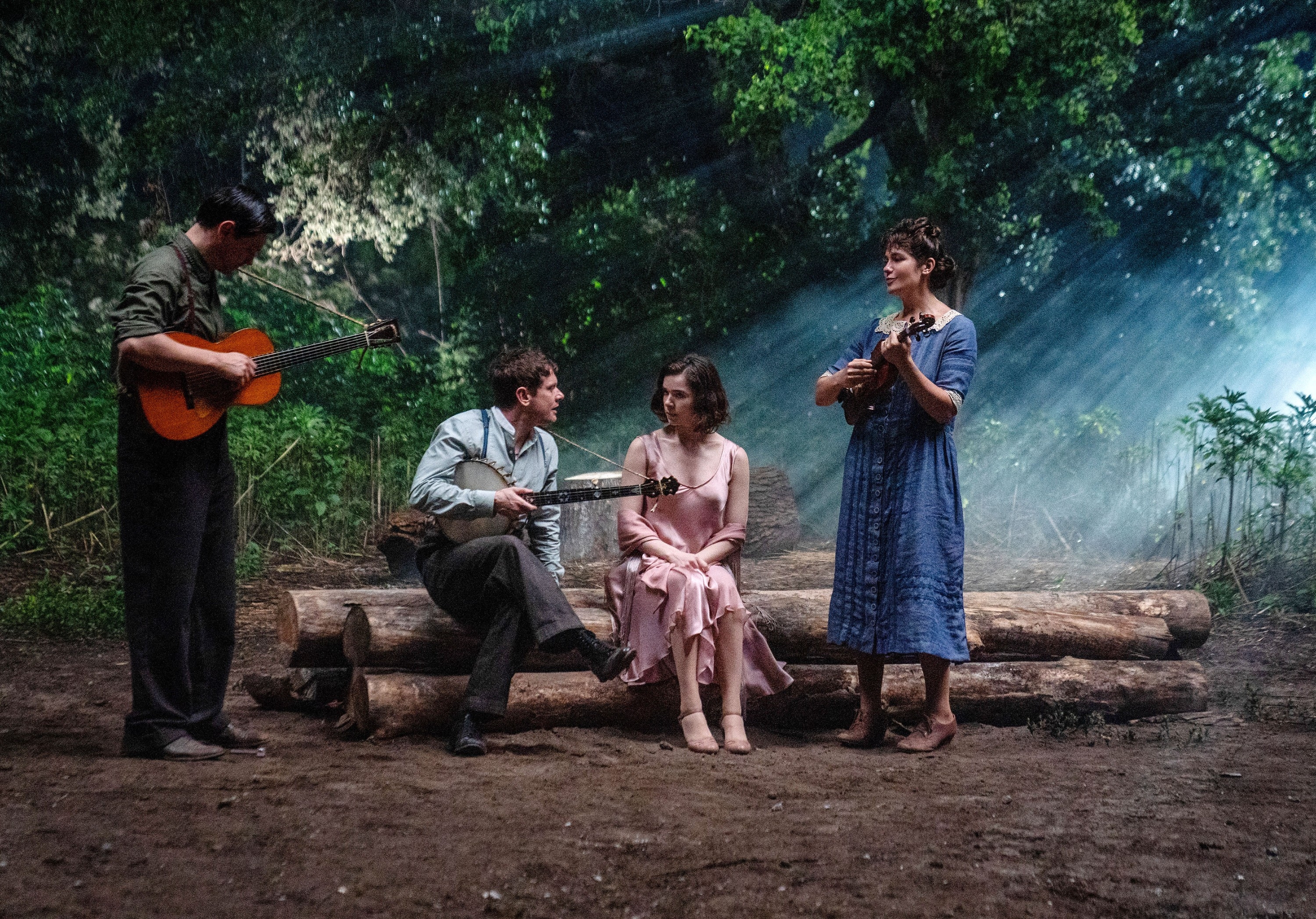
Eli Ade / Warner Bros / Everett Collection
18. "Rocky Road to Dublin" is another traditional Irish folksong that is sung by Remmick in Sinners. The song tells the story of a young man's journey trying to find a new life. Notably, the song describes the trouble the man finds as he gets further from home, and people are unwilling to help him because of where he's from.
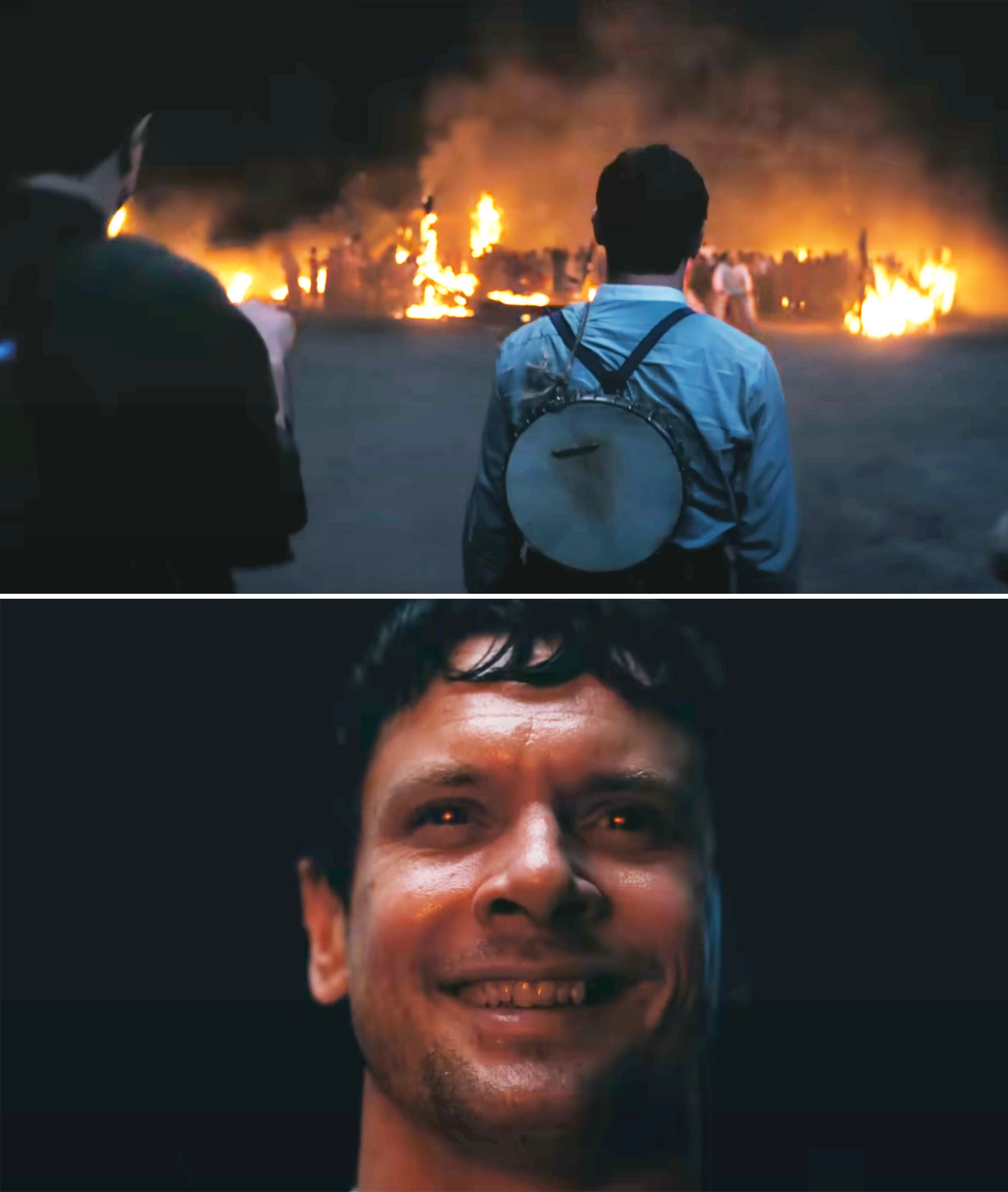
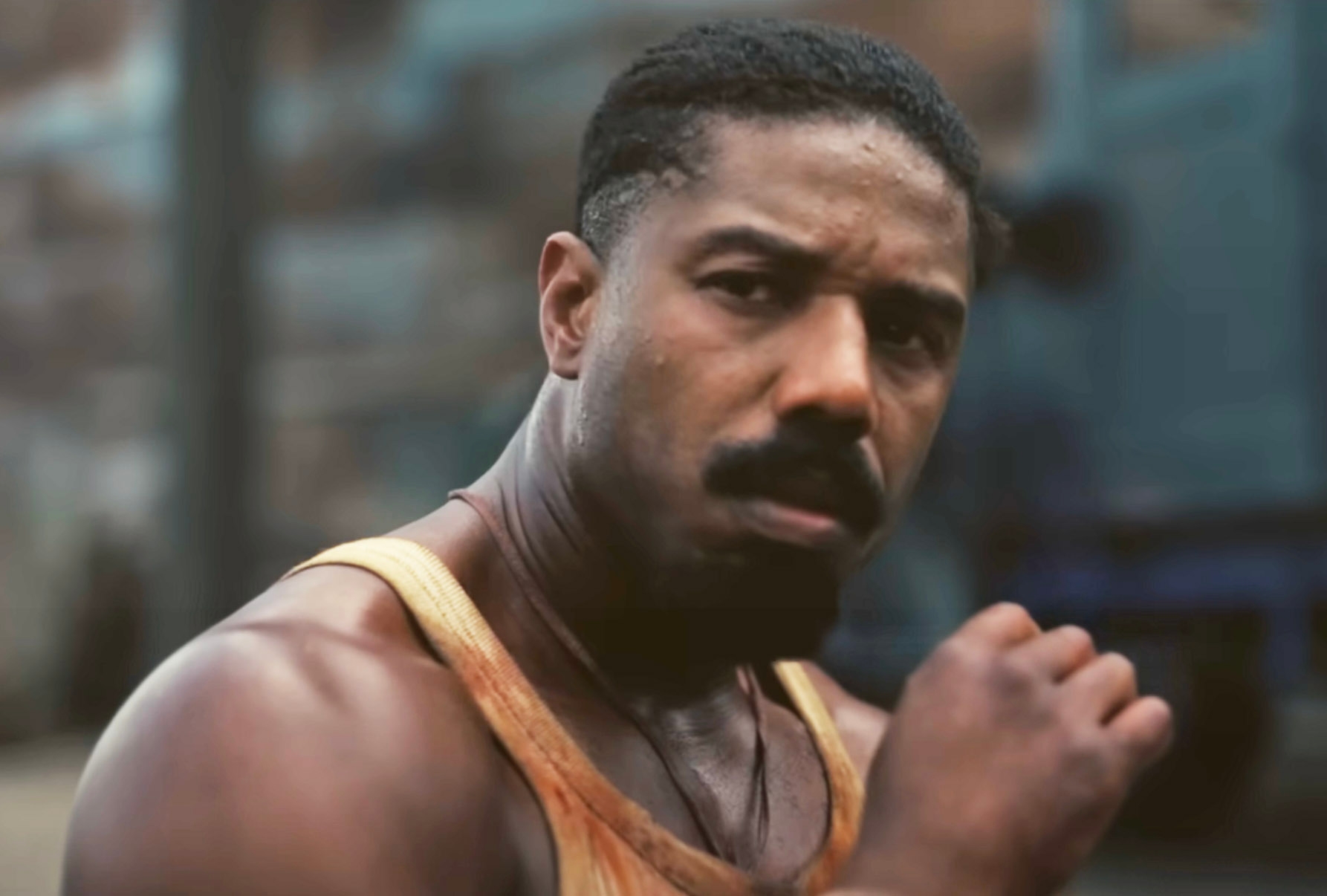
19. At the end of Sinners, Annie notably calls Smoke his real name, Elijah, and asks him to come join her and their child. He puts out his cigarette — getting rid of the smoke — and fully gives himself over to being Elijah, turning his back on his violent persona. Meanwhile, Stack does the opposite. In the mid-credits scene, he still wears a ring that says "Stack," meaning, unlike Smoke, he continues to lean into his violent persona.
20. Buddy Guy, who stars as older Sammie, is a well-known blues guitarist and singer, and his upbringing is similar to Sammie's in Sinners. Raised in Louisiana, he was the son of sharecroppers, and he picked cotton as a child while living in the Delta. Eventually, he taught himself to play guitar, recalling to the New Yorker in 2019, "I'd go sit on top of the levees and bang away with my guitar, and you could really hear it ... That's just how country sound is. A little wind would carry it even better." Now, he owns a blues club in Chicago.
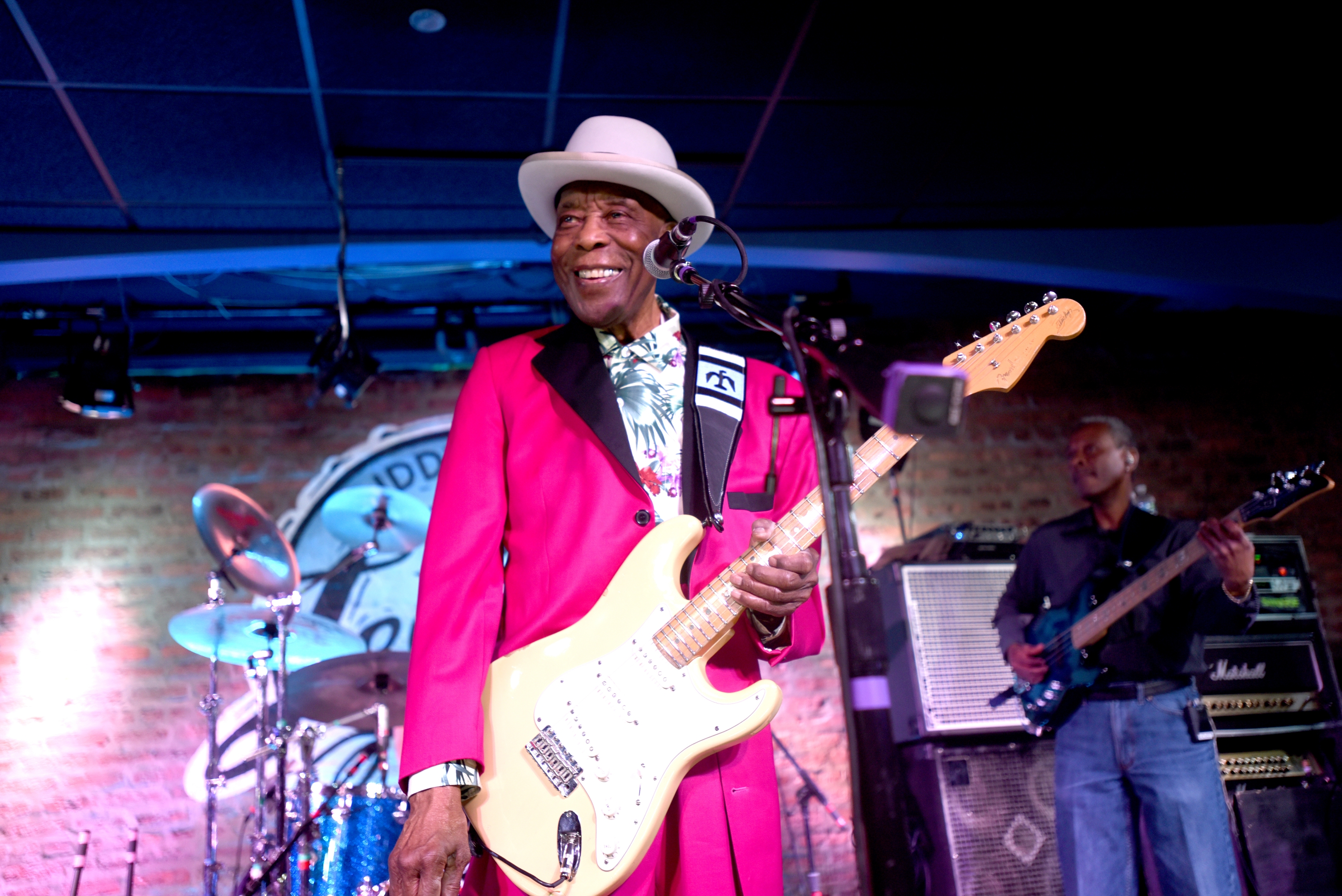
Paul Natkin / Getty Images
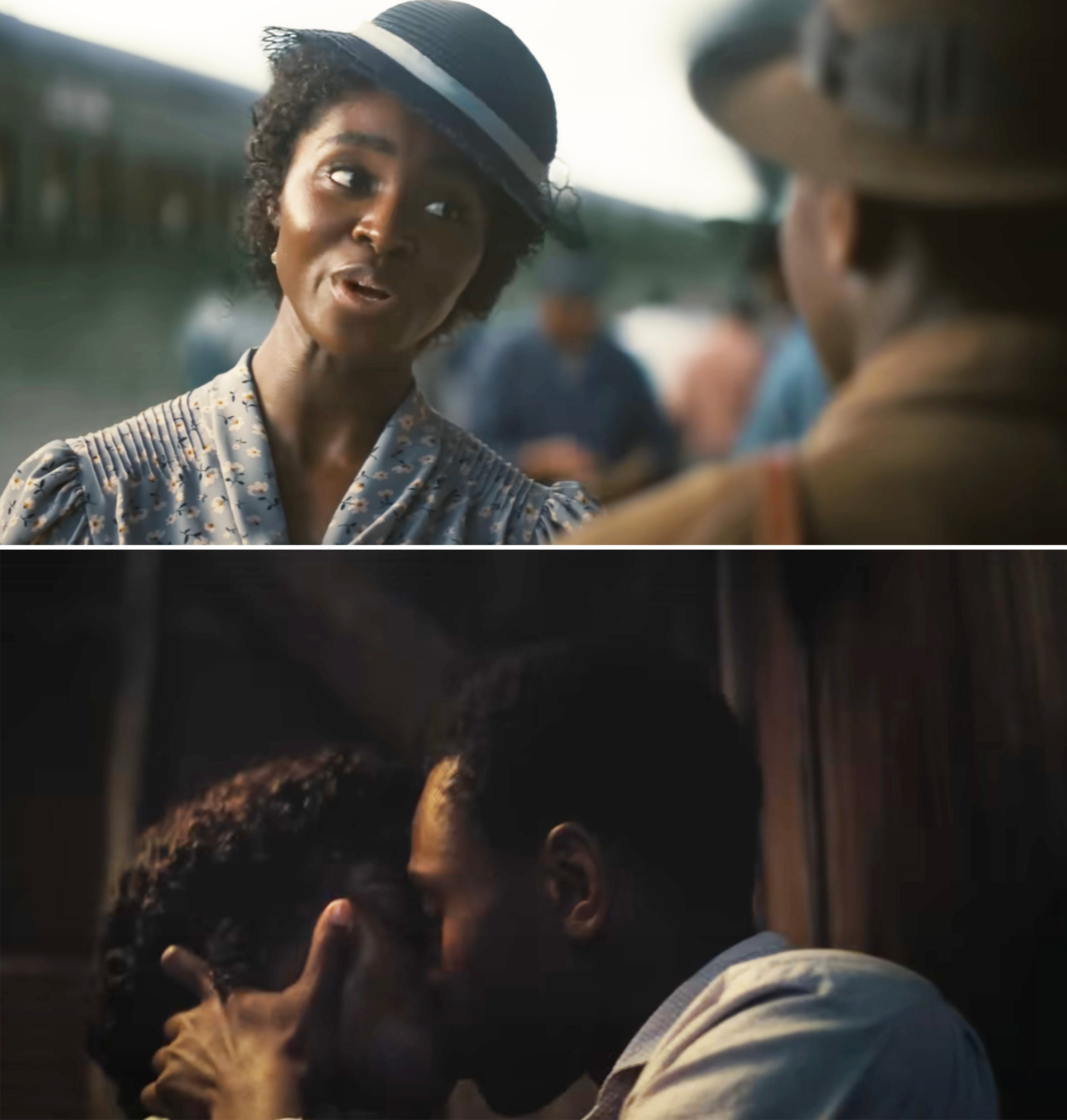
21. And finally, during the mid-credits, Sammie plays in his jazz club sixty years later, and on the wall behind the bar, you can see that he named the bar "Perlene's." Of course, it's named after Perline, who is played by Jayme Lawson.








 English (US)