
 International
  Politics
  Local
Local  Finance
  Sports
  Entertainment
  Lifestyle
  Technology
  Literature
  Science
  Health
  1 year ago
23
1 year ago
23

"I cry every time I think about the haka. It's so incredible, and it's so powerful, and it's so uplifting."
It's AAPI Month in the US! To celebrate, I sat down with a number of Pacific Islander celebs to chat about their careers and cultures for BuzzFeed's Voices of the Pacific series.

Brooke Greenberg/BuzzFeed
In each interview, I asked them about their favorite part of their culture. And wow, did they have some beautiful responses:
1. Simone Kessell (Māori)

Tommaso Boddi / Getty Images for Gold House
"I'll cry if I think about it. See, I'm getting teary. When you're honored with the haka, and when it's the ultimate respect to honor somebody or something with a waiata [song] and a haka, from welcoming them onto your marae [communal meeting grounds], from sports to somebody's tangi at their funeral, or wedding celebration. In the Māori culture [visibly tears up] see, look, I cry every time I think about the haka. It's so incredible, and it's so powerful, and it's so uplifting."
2. Drew Afualo (Samoan)
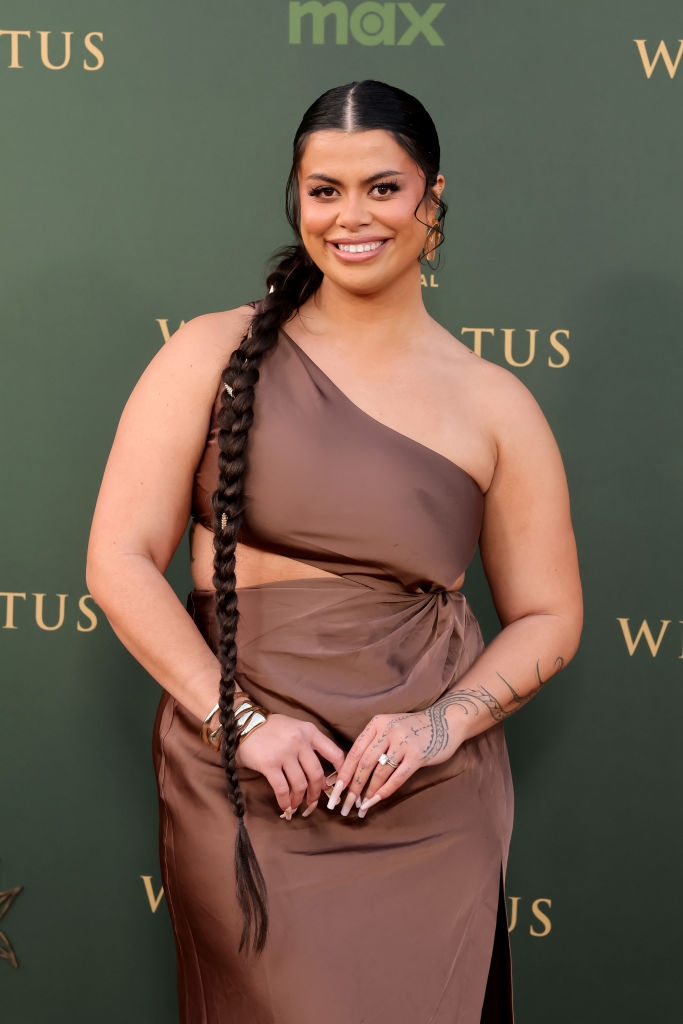
Emma McIntyre / Getty Images
"Family is my favorite part. Family and humor are essential, integral parts to Samoan culture. I'm constantly telling people about Samoan people because there's so little exposure, especially in the entertainment world. Samoan culture is a culture rooted in service to your family, to your culture, to the lord, to your elders, to anyone, really. It's inherently selfless — selfless to a fault in a lot of ways. But we love to give with no expectation of anything in return.
That's the thread line you can see in so many different aspects of our culture, whether it's food, in the way we serve, the way we eat together, the way that we spend all of our waking moments together. There has never been a moment in my life where I was not surrounded by family in some capacity; everything is rooted with family and love, and the same thing with humor. I learned how to be funny with my family. I learned how to take a joke with my family. I learned how to roast with my family. My favorite parts of Samoan culture are definitely family and humor because every Samoan I've ever met is the funniest motherfucker I've ever met my life. I've never met a funnier person in my life than Samoan people, so I have to attribute all of my humor and jokes to them. They've made me funny."
3. Dinah Jane (Tongan)
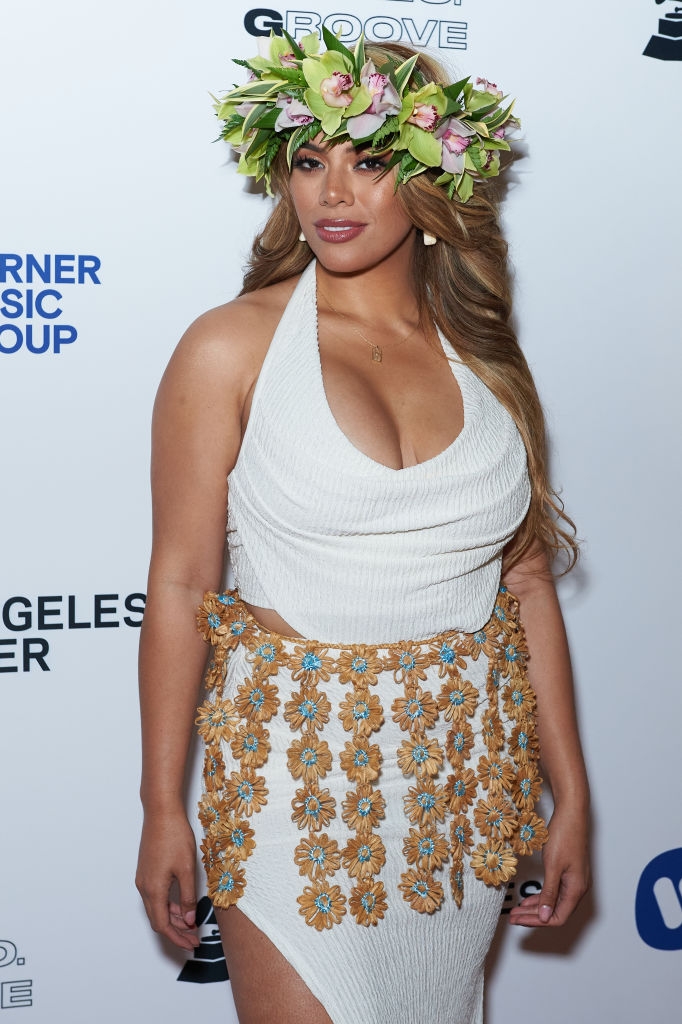
Unique Nicole / Getty Images for The Recording Academy
"My favorite part of our culture is the singing and the chanting. I was in Hawai'i in December, and I closed off my tour out there. The next day, I was able to go to PCC [Polynesian Cultural Center]. Anytime I hear Polynesians sing together in unison of any type of song without any instruments, it's so chilling to me, and it takes me back home. It makes me feel like I'm back on the islands. It makes me feel like I'm back where my grandparents were walking, where their footprints started. When I was there in Hawai'i, I remembered experiencing them singing to us, to me.
To this day, I still get chills about it because it was from the heart. The music is what really drives me and makes me cry. If they're singing so beautiful and it's a nice song, I feel like it's such a lullaby when our people sing. That's the type of lullaby I could sleep to, cry to, champion. I would love to listen to us singing before I go on stage because that's what will hype me up. There's just so much power and spirit. You just feel like your ancestors are in the room, singing with them and speaking. They were singing Māori, and I don't know much of the language, but I feel like that's what makes our people feel like one. If it's Tongan, if it's Fijian, if it's Samoan, whatever language it is, it still feels like home."
4. Alex Tarrant (Māori, Samoan, and Niuean)
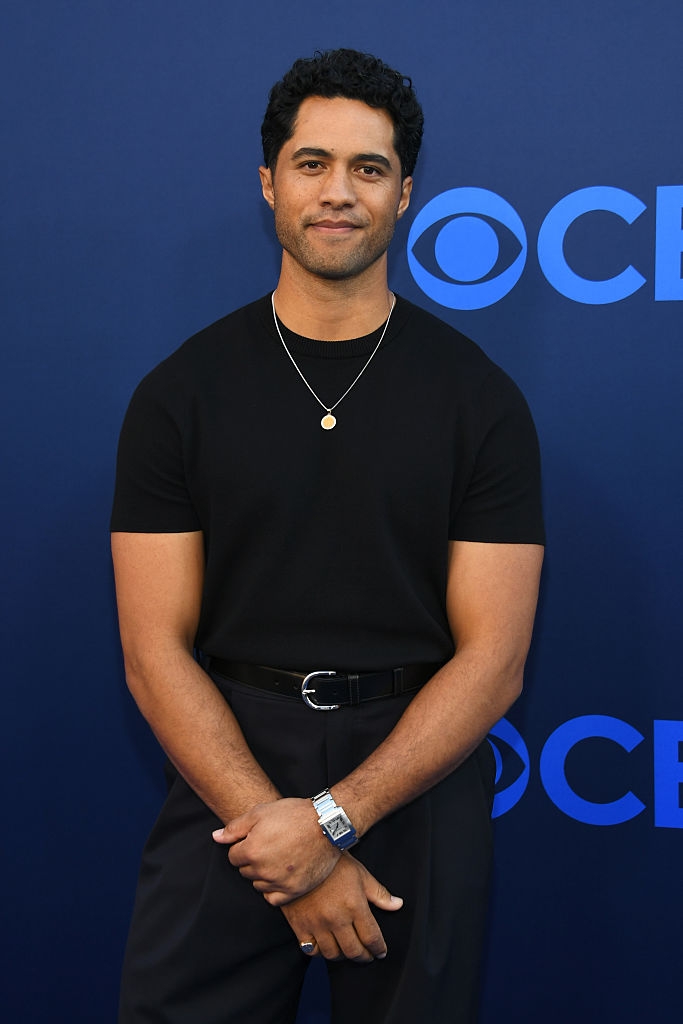
Alberto Rodriguez / Variety via Getty Images
"That's a tough question. I am three ethnicities. I am Māori, Samoan, and Niuean. With that being said, I love the mixture I can feel within myself. There's certain abilities that I know I get from each culture. But what I love the most about my culture is the sense of a strong community. And I mean it when I say: if one of us succeeds, I'm so proud of them.
Coming from New Zealand, it's interesting because I keep on coming back to this idea of when one of us wins, we all win. We're very much shoulder to shoulder, hand to hand, moving forward in this big idea of the film and television industry. The end of Moana 2 really struck us, just the idea of all of these islands coming together. We have a beautiful, amazing friend/mentor who says we're not divided by land; we're connected by water."
5. Sasha Colby (Native Hawaiian)
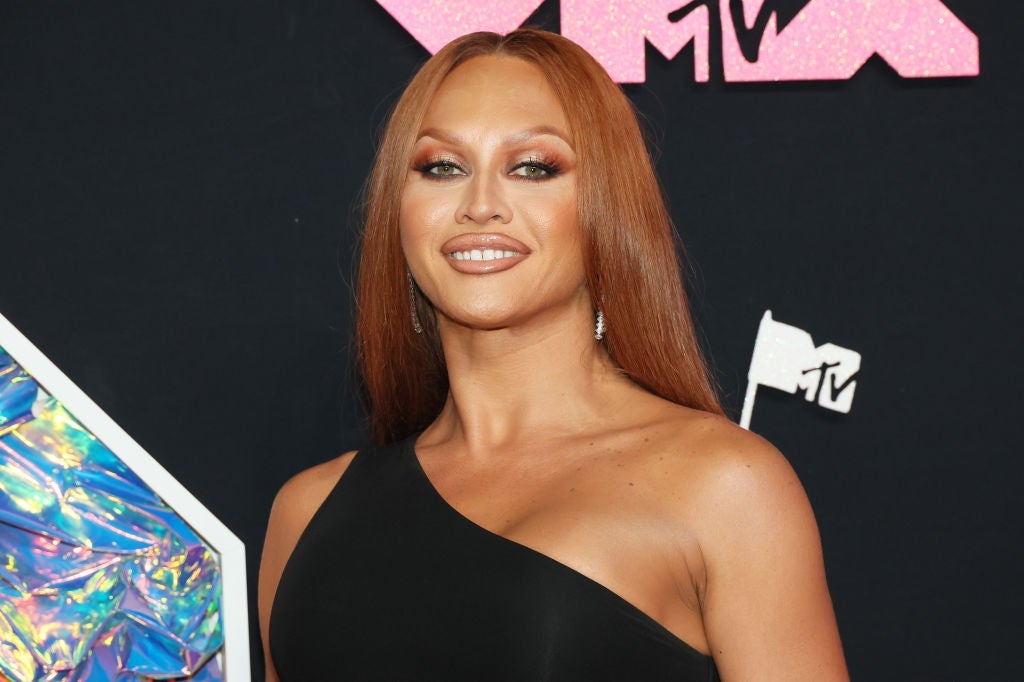
Dia Dipasupil / FilmMagic
"Oh, I have so many favorite aspects. The food alone [laughs] that's definitely home base for me. But I love the music and the hula, the dancing. As a dancer, I love the idea that we came up with mythology to explain natural occurrences in nature, and then to remember it, we would write it into a poem, and then to remember it and pass it on, we would make it into a mele or a song. And to pass it along again and to reiterate it more into our culture, we would make a hula out of it. So, it was all these things that naturally combined. But that's what I really loved because I love learning about our history, through that flow."
6. Uli Latukefu (Tongan)
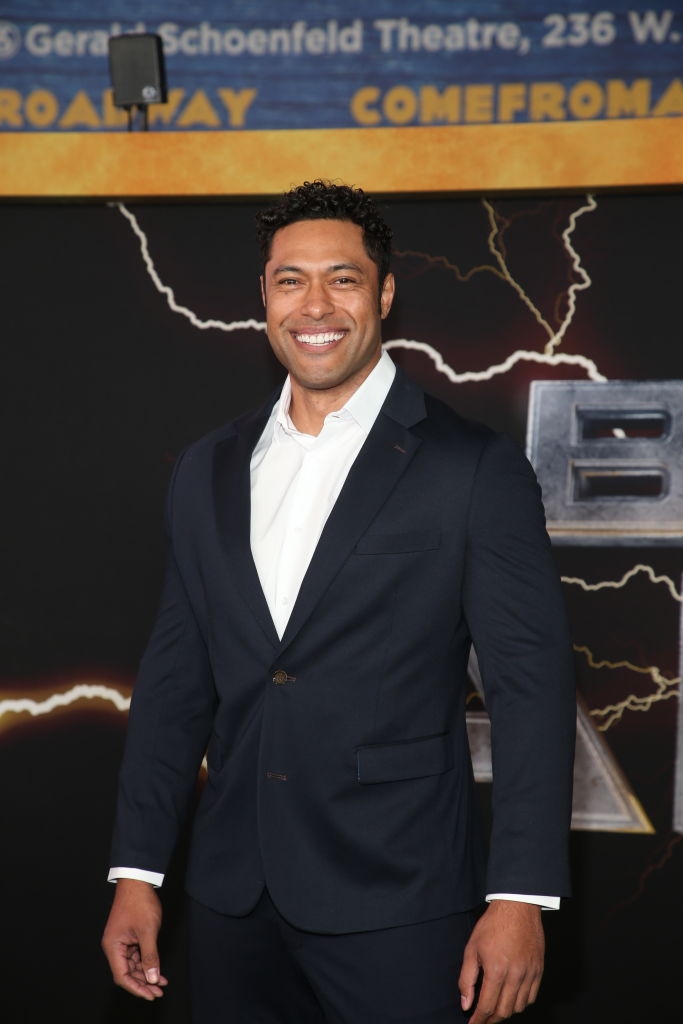
Rob Kim / WireImage
"This one might get me choked up a little bit. The singing for me [starts tearing up]. My grandmother was a preacher, and we spent a lot of time growing up in the church. There's something about when you go to church: you hear the voices in 1) in our own language, and 2) the harmonies and all that kind of thing. Just the thought of it moves me a lot. And it's not unique to Tonga, obviously, everywhere across the Pacific.
It's changed a lot [from] when our fathers and our grandparents first came over to America or Australia or New Zealand or wherever. That freedom of expression of our culture wasn't always embraced. It wasn't always understood. But that's very much changed now, where our kids are very proud of who they are and their cultural heritage, proud to represent Samoa, Tonga, wherever. And so, when I see that in our young kids, it makes me feel very warm inside. Māfana is how we would say it in Tongan. When I hear the kids singing like that, it really hits home."
7. Rachel House (Māori)
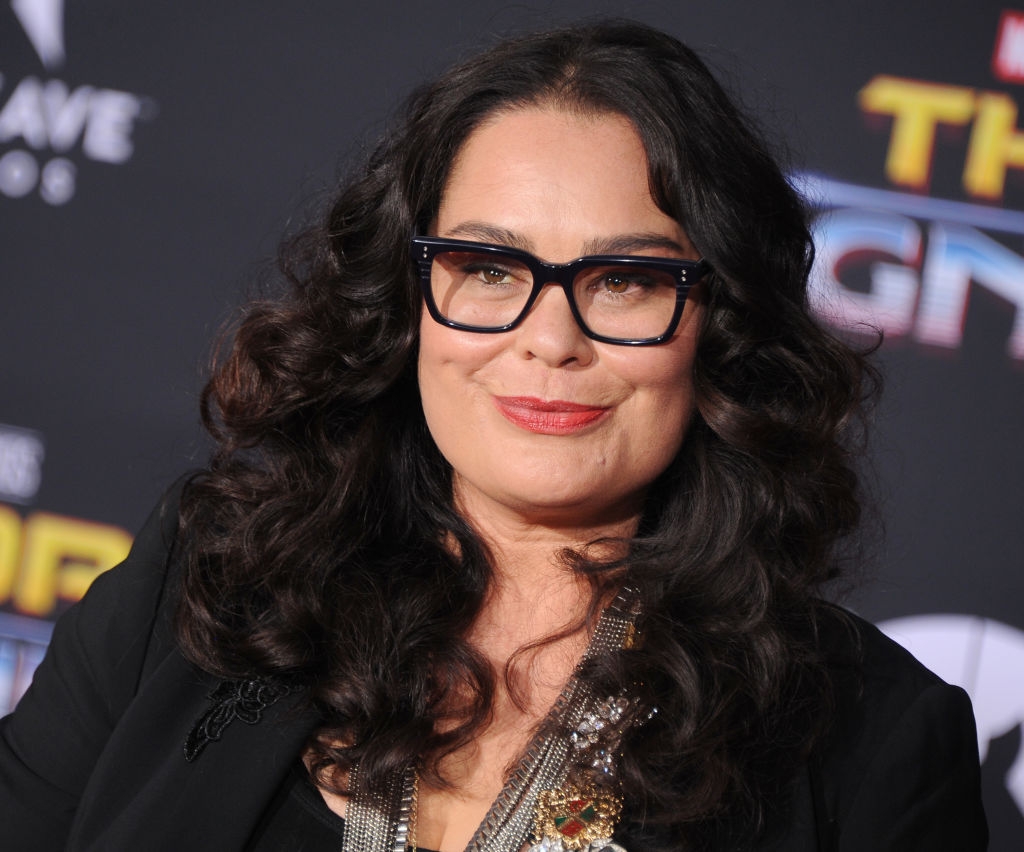
Gregg DeGuire / WireImage
"It's our relationship with nature. It's the way we see nature. It's what I tried to really infuse The Mountain with, actually, as I want people to remember that we used to see — well, a lot of us still do — but that we used to see nature as family. So, if we can start thinking that way again, we might treat her better."
8. Oscar Kightley (Samoan)
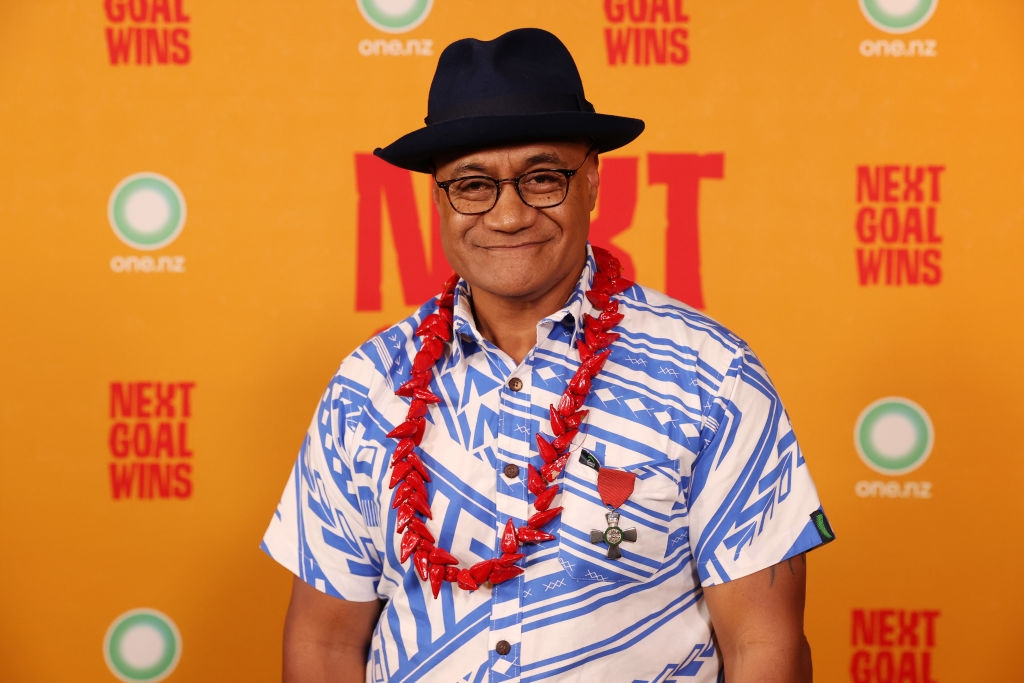
Fiona Goodall / Getty Images
"One of my favorite Samoan words is va, meaning the set of rules and protocols that dictates your social connection with other people, your relationships. I love that aspect of our culture, that the space between you and someone else is not just empty space — it's what actually connects you. Epeli Hauʻofa, a great Tongan academic and thinker, said something like, 'People look at the Pacific Ocean and see these little islands dotted around, and they think [it's] this vast empty space. We look at it and see, no, it's a sea of islands.' That is the landmass that connects us.
I think my favorite part of our culture is concepts like that, that are important to us. I love that whole concept of interconnectedness. Pasifika is so many different groups, too, right? There's Micronesia, there's Polynesia, there's Melanesia. And we're connected to each other, whichever one of those nations you fit into. You can be in a room of Fijians and Solomon Islanders and Tongans, Niuean, Cook Island, Micronesian, and you will feel a common thread that I think links us all."
9. And finally, Luciane Buchanan (Tongan)
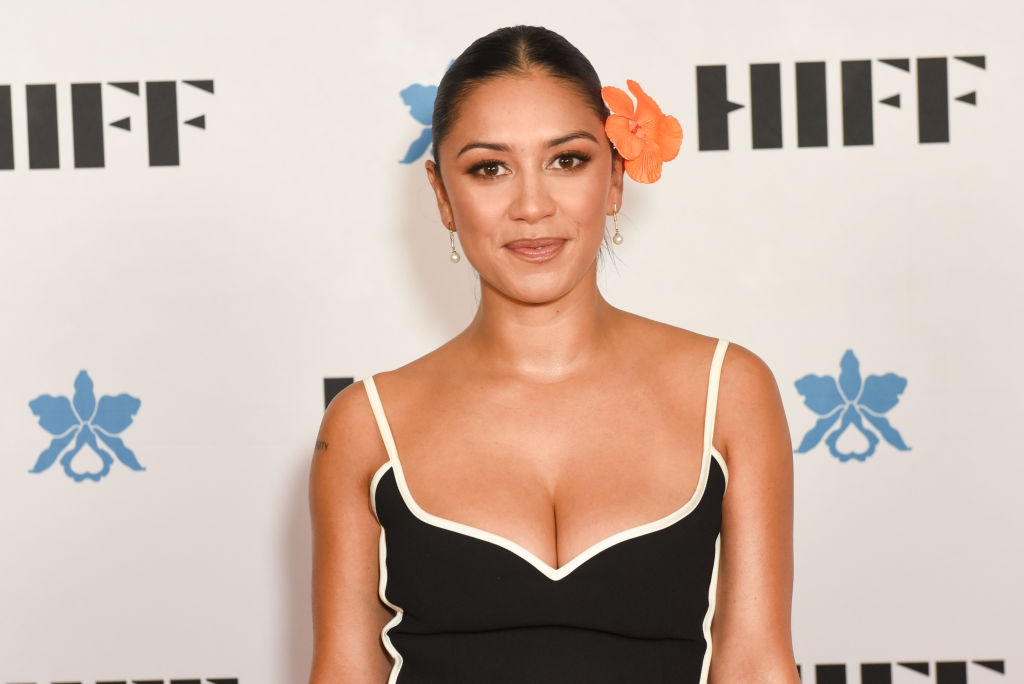
Olivia Wong / Getty Images for Hawaiian International Film Festival
"I think about this all the time. I'm just like, 'I love being Tongan.' I love everything about it. I love our humor. I love the way that we love. We're also just so dramatic. I think my calling to be a storyteller definitely comes from the way that my aunties record stories over and over, and the way they would perform it. I've definitely inherited that. We have this concept called māfana, which is like the love, the warmth inside that we have and we love. And I think that's so special, and I try to capture that in anything I try to do that is specific to the Tongan project.
The way that my grandma showed love was keeping in touch with people. Sometimes, me and my cousin joke around. We're like, 'Could we actually do what she did?' Because now, we live in a time where we're like, 'Boundaries. [Laughs] I can't live like that. I can't open the door for everyone.' But she always made time, and she had this phone book. Do you remember you'd write everyone's landline numbers? Her phone book was so tattered because it was used so much that my auntie had to laminate the pages because it was so ruined. And me and my cousin say this now, we feel like we're exactly the same. We're constantly on FaceTime, and I live overseas. I'm constantly on the road, so I try to inherit that way of connecting with people. I think that's the way that she showed love. It's my favorite part of my culture that I want to continue to do."
You can read the full Voices of the Pacific interviews here.

Brooke Greenberg / BuzzFeed








 English (US)