
 International
  Politics
  Local
Local  Finance
  Sports
  Entertainment
  Lifestyle
  Technology
  Literature
  Science
  Health
  5 hours ago
2
5 hours ago
2
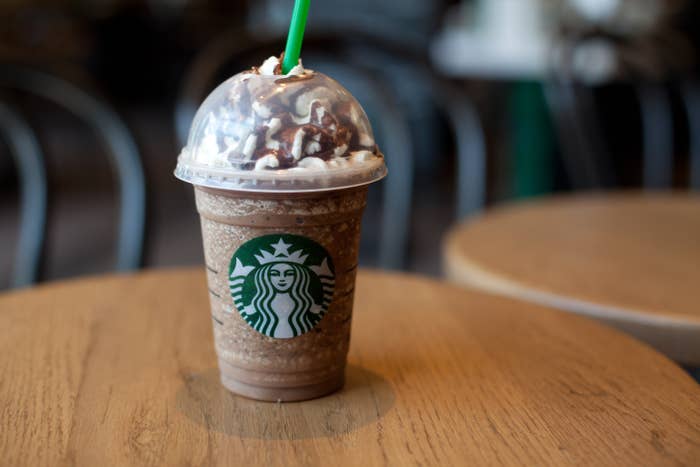
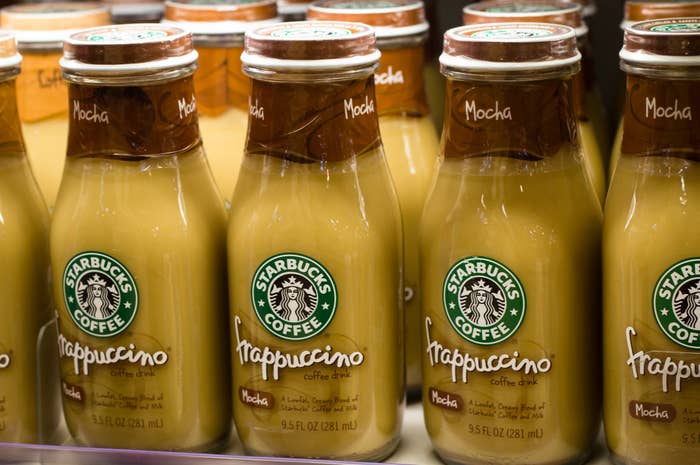
1. The Frappuccino is one of Starbucks' most recognizable drinks, but the company didn't actually invent it. The original frozen blended coffee drink was created in the early '90s by a coffee chain called The Coffee Connection, which was based in eastern Massachusetts. The Coffee Connection trademarked the name "Frappuccino" and turned it into one of its signature menu items before Starbucks entered the picture.
Segray / Getty Images
In 1994, Starbucks acquired The Coffee Connection, including its stores, recipes, and the rights to the Frappuccino name. Starbucks then refined the drink, expanded its lineup with coffee-and-cream flavors, and introduced it to locations around the world. Because of that massive rollout, most people assume Starbucks created the Frappuccino from scratch, even though it actually got the drink through an acquisition.
Pengpeng / Getty Images
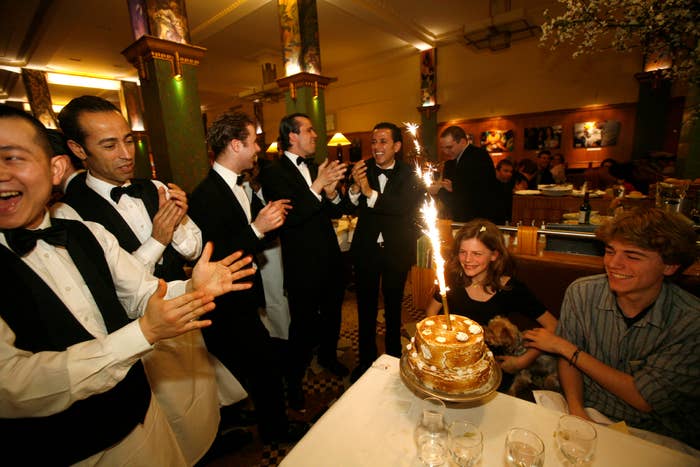
2. Growing up, if you ever wondered why restaurants wouldn't sing "Happy Birthday" and instead some made-up song, well, it's because the "Happy Birthday" song was under copyright for decades. Instead, some restaurants created their own birthday songs or used alternative jingles to avoid paying licensing fees.
Owen Franken / Getty Images
The melody dates back to the late 1800s, when sisters Patty and Mildred Hill wrote a song called "Good Morning to All," which later evolved into the birthday anthem everyone knows today. Warner/Chappell Music claimed ownership of the song's copyright and collected fees for commercial use for years. However, in 2016, a federal judge ruled that Warner/Chappell did not own a valid copyright to the song, officially placing "Happy Birthday to You" in the public domain. The ruling meant anyone can now use the song without worrying about licensing costs.

Klaus Vedfelt / Getty Images
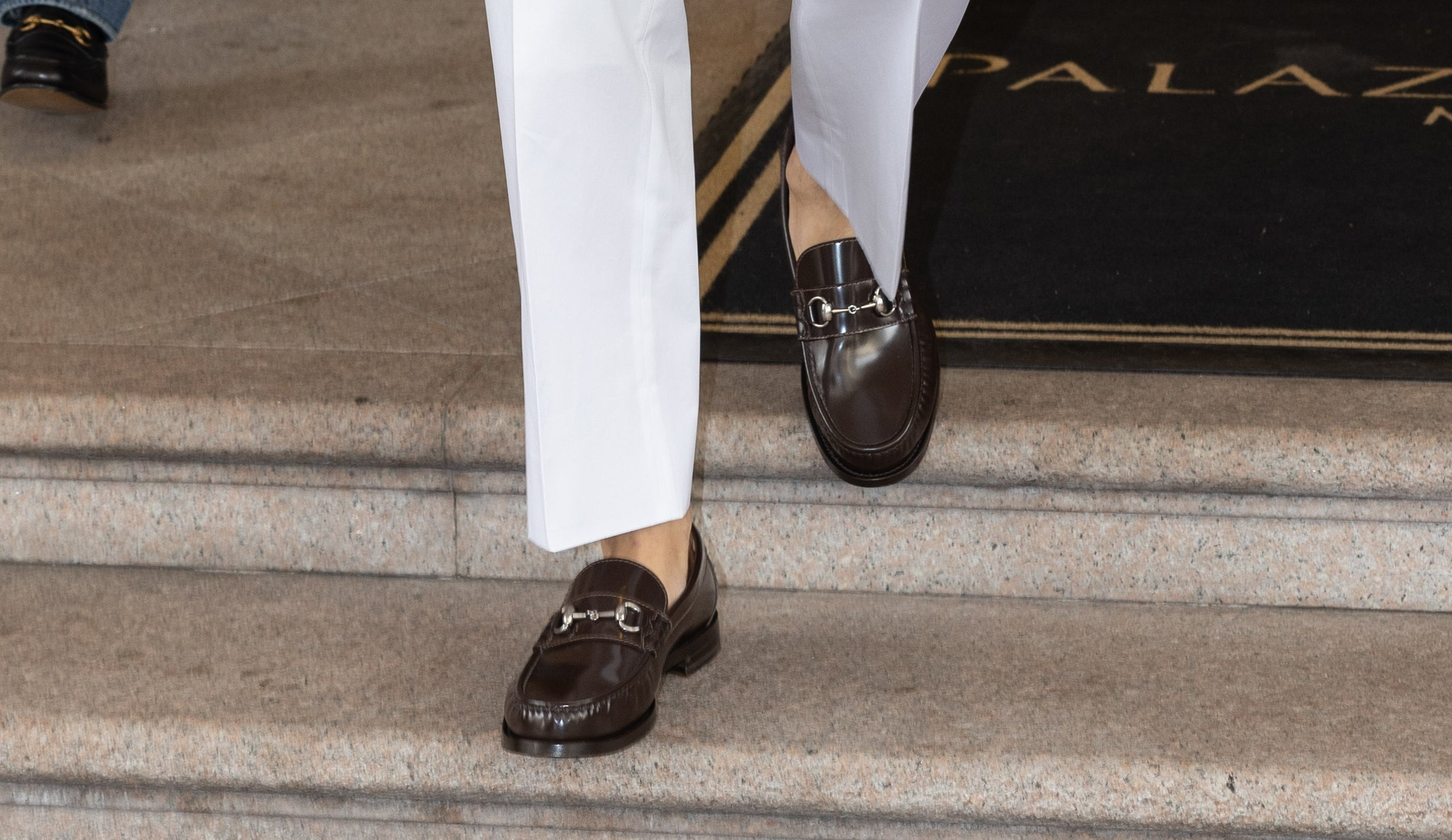
3. The iconic Gucci Horsebit Loafer was inspired by an American style staple that caught Aldo Gucci's eye during a visit to the US. In 1953, Aldo, the son of Gucci founder Guccio Gucci, traveled to New York to open the first Gucci store outside of Italy. While there and on a previous trip, he noticed many American men wearing penny loafers, a casual yet polished preppy shoe style that had become very popular in the US.
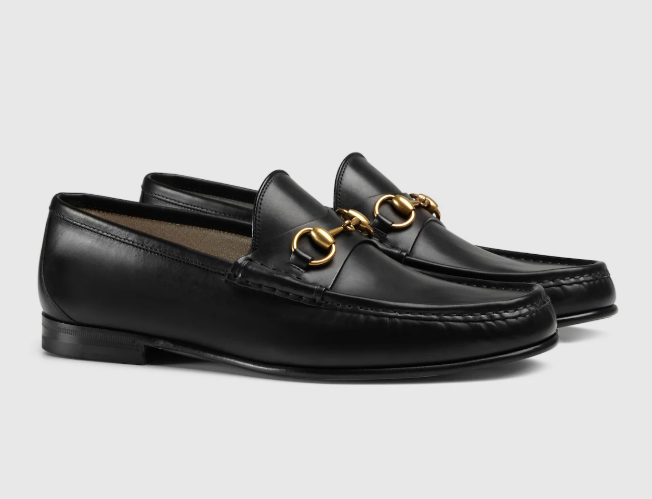
When Aldo returned to Italy, he decided he wanted to create his own version of the penny loafer, but tailored more for Italians. He also reimagined the classic loafer by adding a metal horsebit detail, a symbol connected to Gucci's history of crafting equestrian-inspired leather goods. The result was the Gucci Horsebit Loafer, which debuted in 1953 and became the brand's first major footwear success. The shoe quickly became a must-have for the rich and famous, like Jackie Kennedy Onassis, Brigitte Bardot, and Cary Grant.
Arnold Jerocki / GC Images
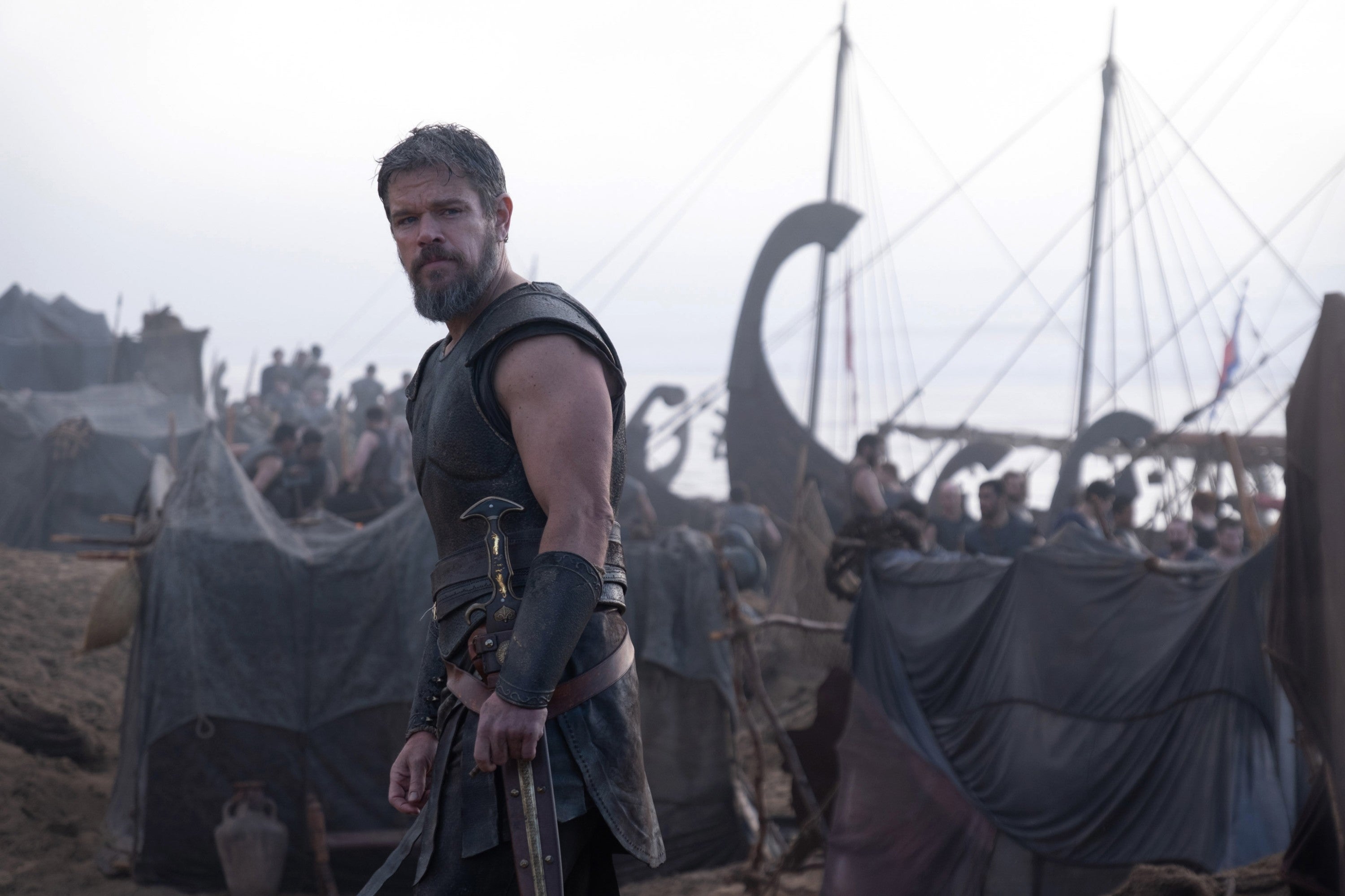
4. Christopher Nolan's The Odyssey made history by becoming the first feature-length film shot entirely on IMAX film. While many major movies have used IMAX cameras for select action sequences, Nolan chose to film the entire epic using the large-format cameras to create a more immersive experience for audiences. The decision continues Nolan's long-running relationship with IMAX, which began with films like The Dark Knight and expanded through projects such as Dunkirk and Oppenheimer.
Melinda Sue Gordon / © Universal Pictures / Courtesy Everett Collection
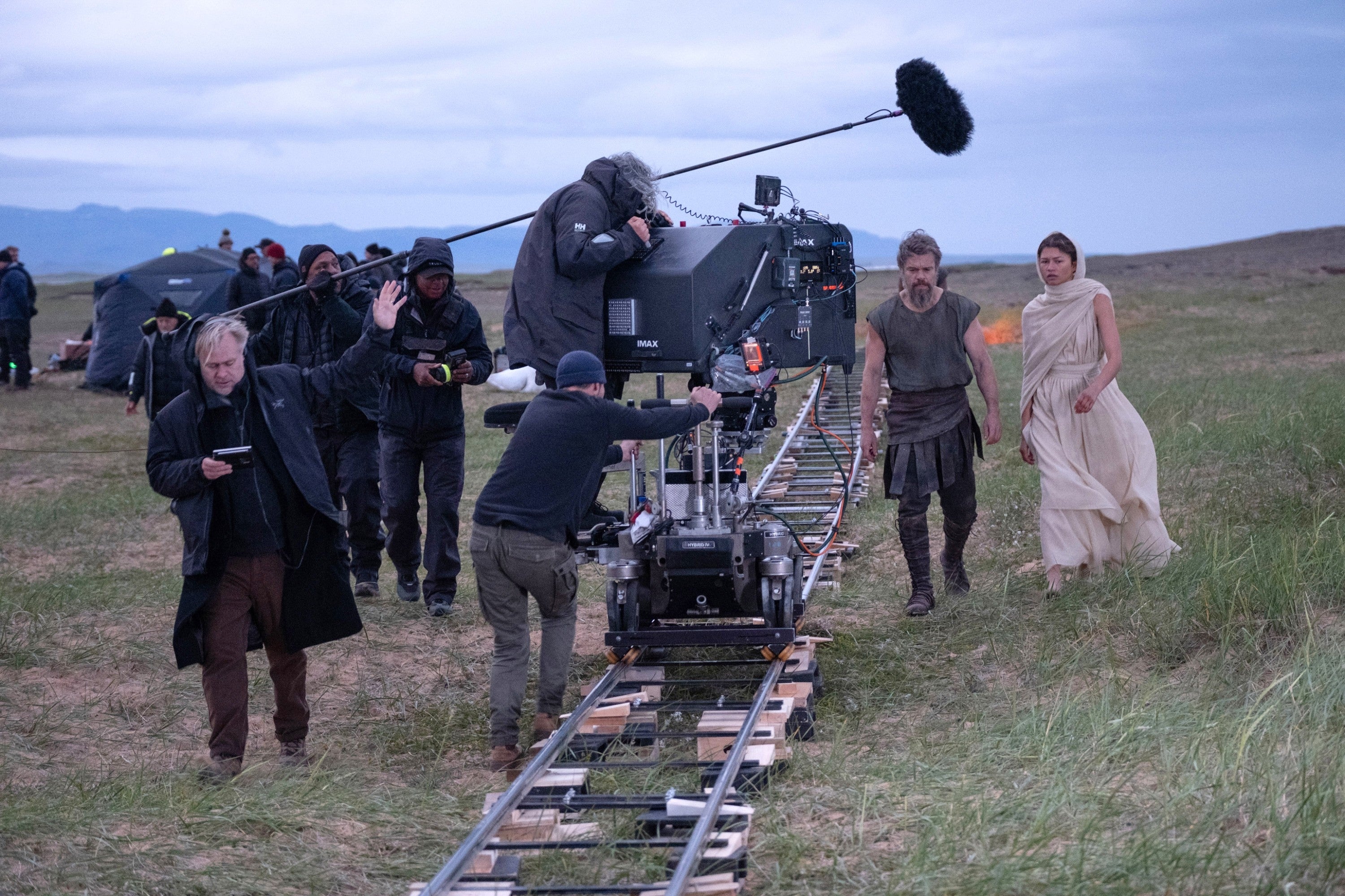
The ambitious decision was made possible because IMAX developed a new generation of cameras, including the IMAX Keighley, which was designed to be quieter and more efficient than previous IMAX film cameras. The updated technology helped solve one of the biggest challenges of shooting on IMAX film: the cameras were traditionally so loud that they made filming intimate dialogue scenes extremely difficult. Nolan's team and IMAX also created specialized equipment to reduce camera noise, allowing actors to perform close-up scenes while still recording usable sound. The result was a groundbreaking production that pushes the boundaries of traditional movie-making.
Melinda Sue Gordon / © Universal Pictures / Courtesy Everett Collection
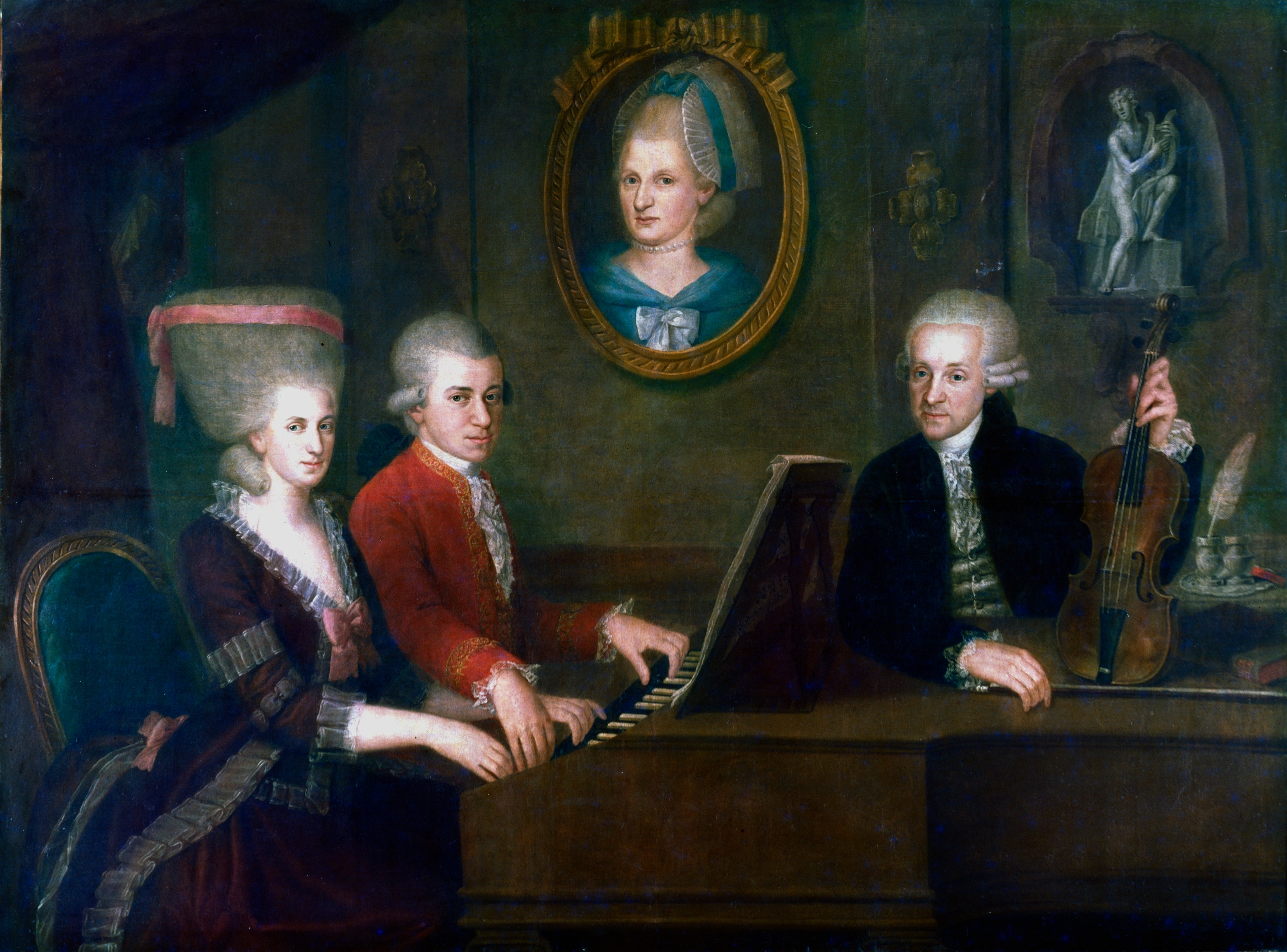
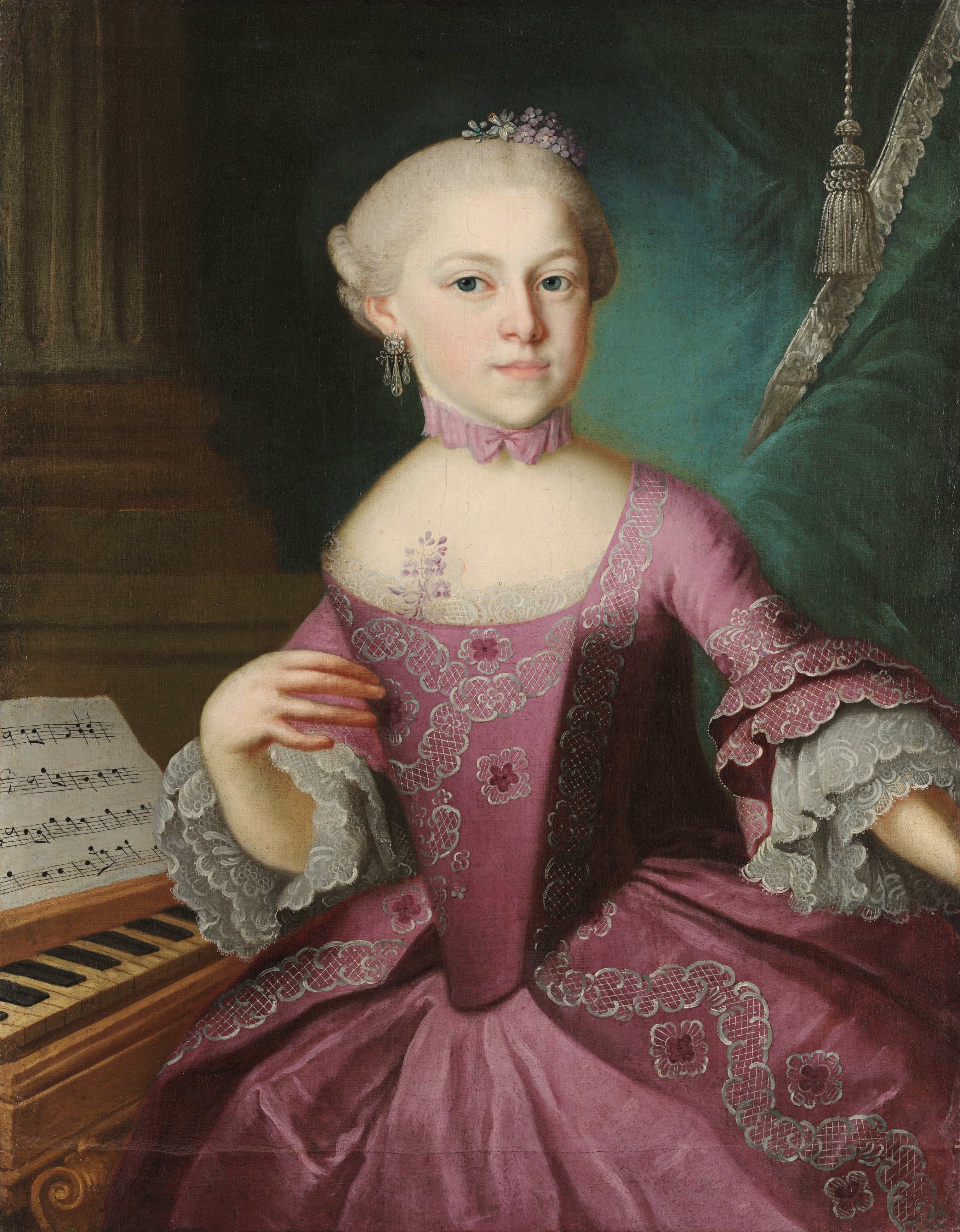
5. Wolfgang Amadeus Mozart is remembered as one of history's greatest musical prodigies, but he wasn't the only extraordinary talent in his family. His older sister, Maria Anna 'Nannerl' Mozart, was a gifted pianist and harpsichordist who toured across Europe with her younger brother as a child, earning praise from royalty and audiences alike. Accounts from the time suggest that Nannerl's musical abilities rivaled Wolfgang's, and some historians believe she also composed music, although none of her works are known to have survived.
Print Collector / Print Collector/Getty Images
However, as she grew older, 18th-century social expectations discouraged women from pursuing professional careers as performers or composers. Once she reached marriageable age, Nannerl stopped touring, despite her remarkable talent, and remained largely out of the public eye while her brother's fame continued to grow
Heritage Images / Getty Images
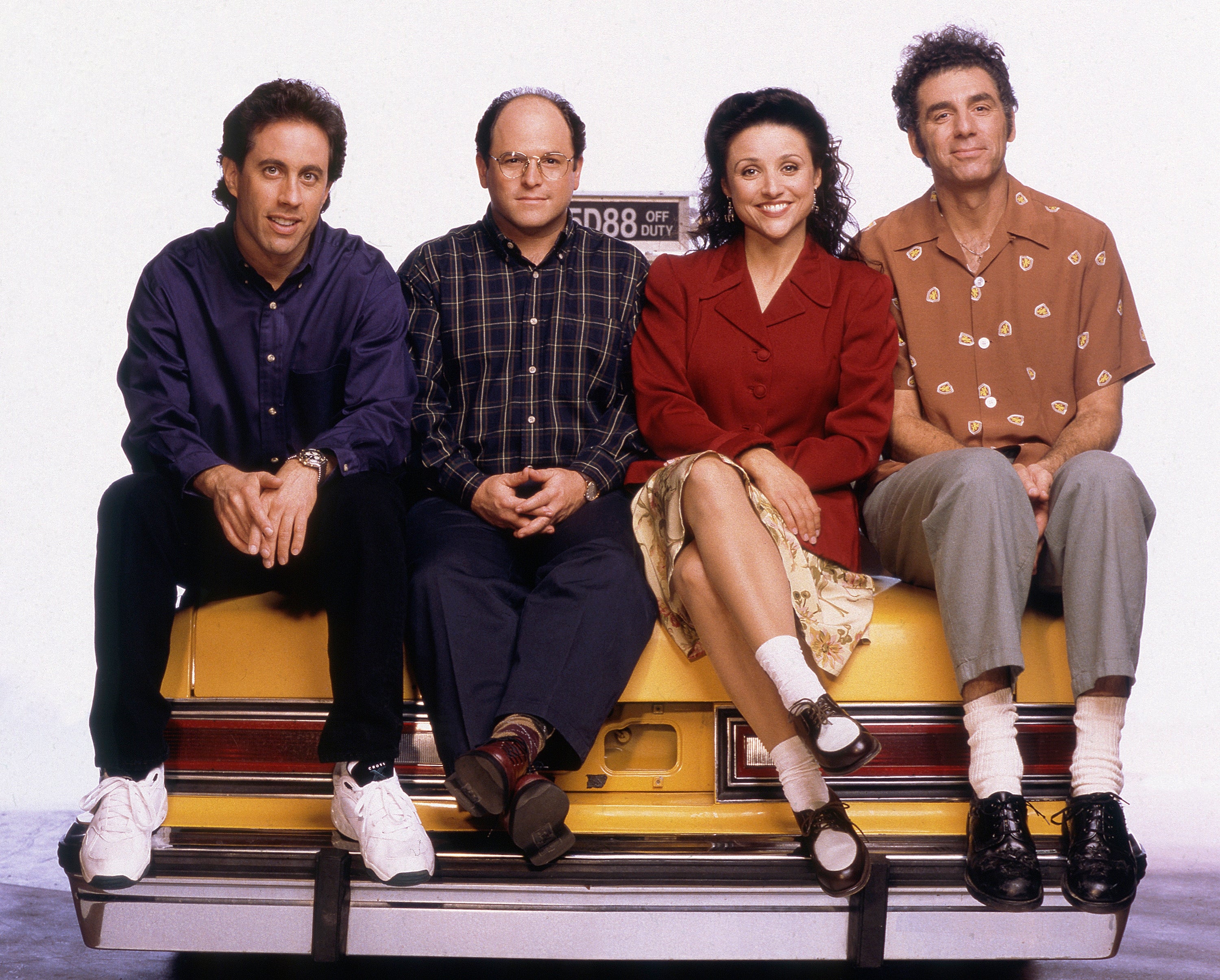
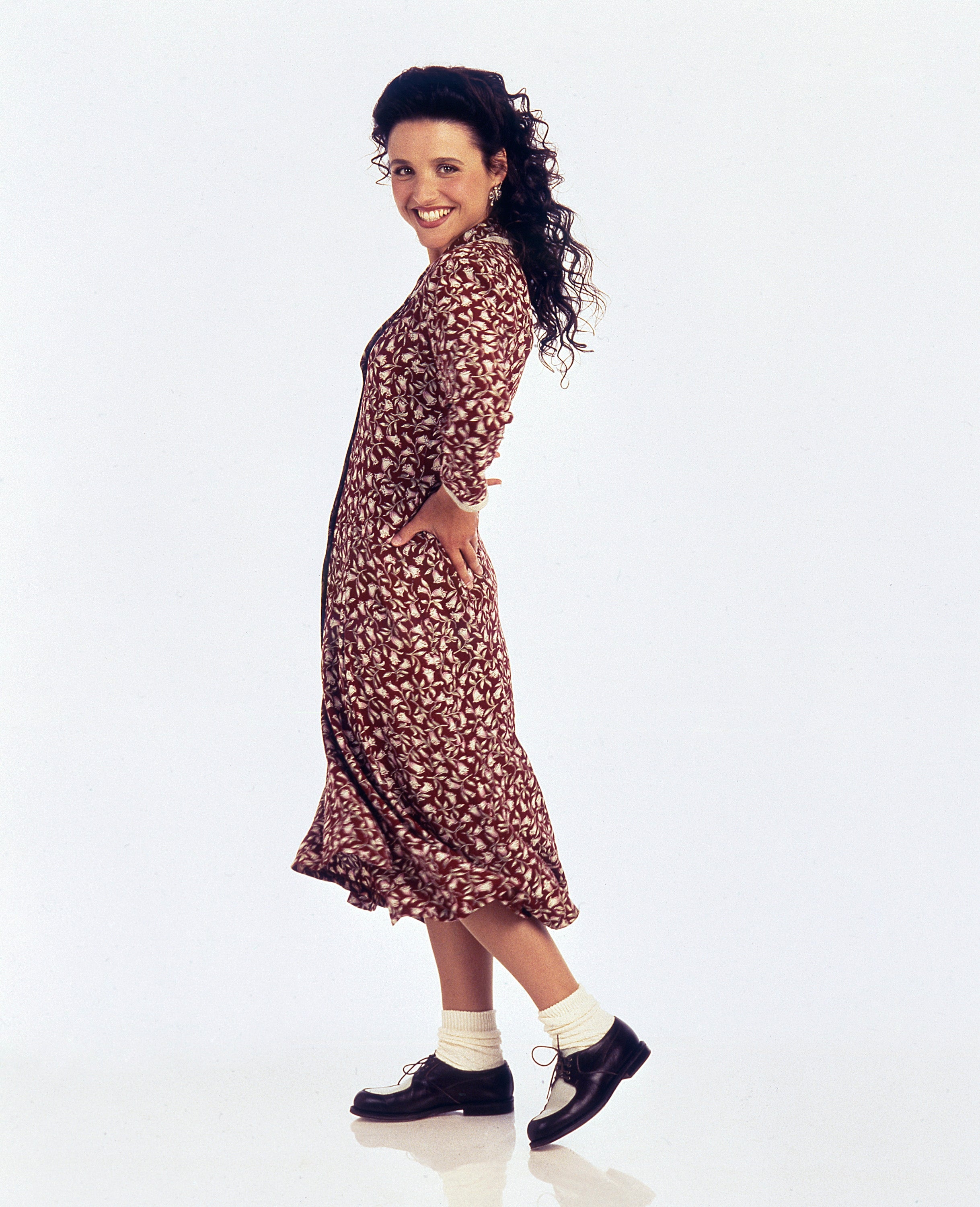
6. It's almost impossible to imagine Seinfeld without Elaine Benes, but one of the show's and TV's most iconic characters wasn't originally supposed to be in it. In the first episode, the only prominent female character is a waitress at Pete's Luncheonette (that would later become Monk's Café), who appears briefly and isn't meant to be a major part of the series. When Jerry Seinfeld and Larry David first developed the show, they focused on Jerry and George, with no equivalent female friend in the main cast.
NBC / NBCUniversal via Getty Images
After NBC saw the pilot, the network asked the creators to add a strong female character to balance the ensemble and broaden the show's dynamic, as a condition for ordering four additional episodes. That request led to the creation of Elaine Benes, who was introduced in the second episode and is based on several women Seinfeld and David dated. However, Julia Louis-Dreyfus was hesitant to sign on as she got four scripts and noticed the character appeared less and less in each one. She decided to meet with Seinfeld and David and read a scene with them. After meeting them, she knew she needed to take the gamble and sign on. And let's be real, the show never would have been great or really worked without her.
NBC / NBCUniversal via Getty Images
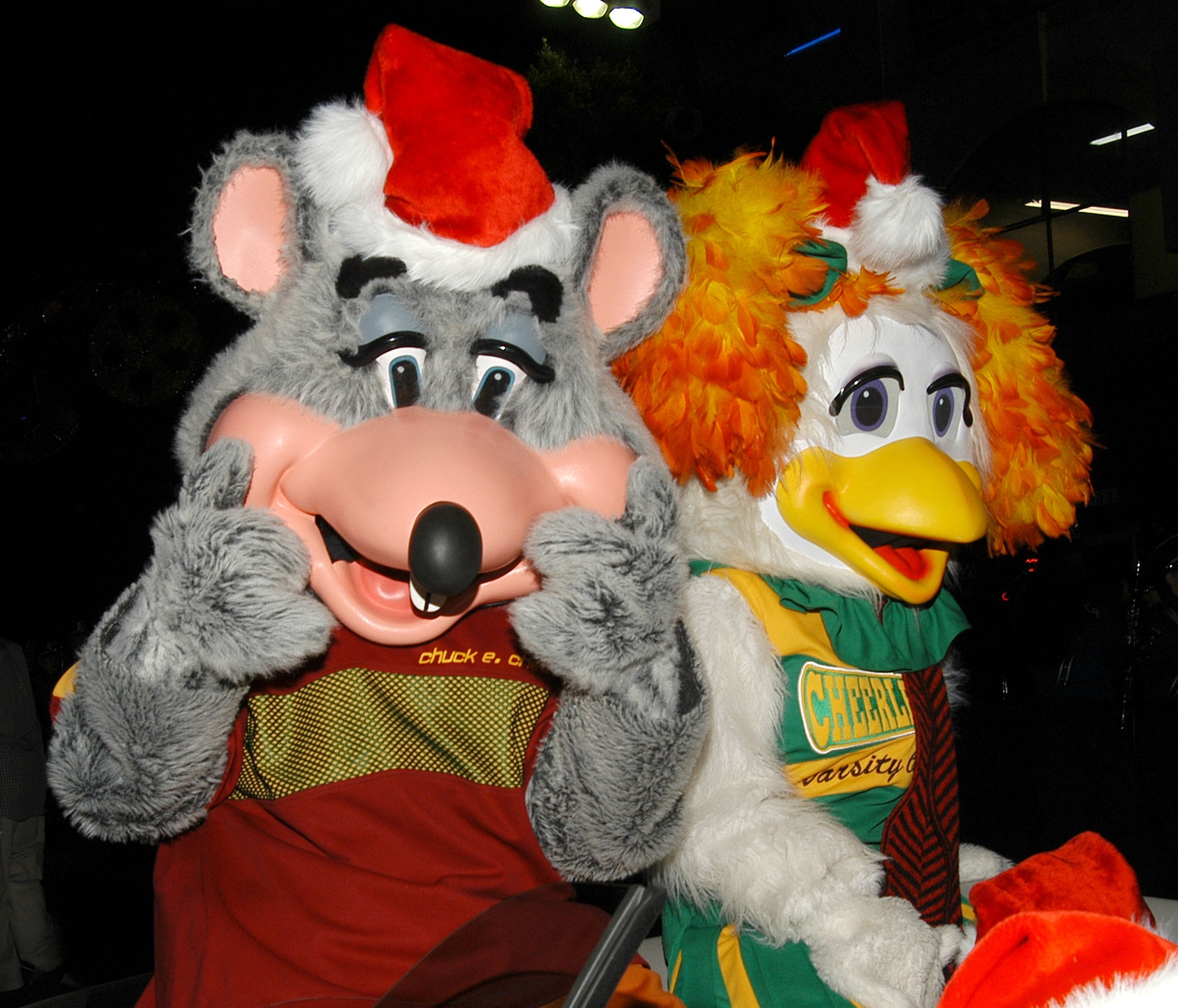
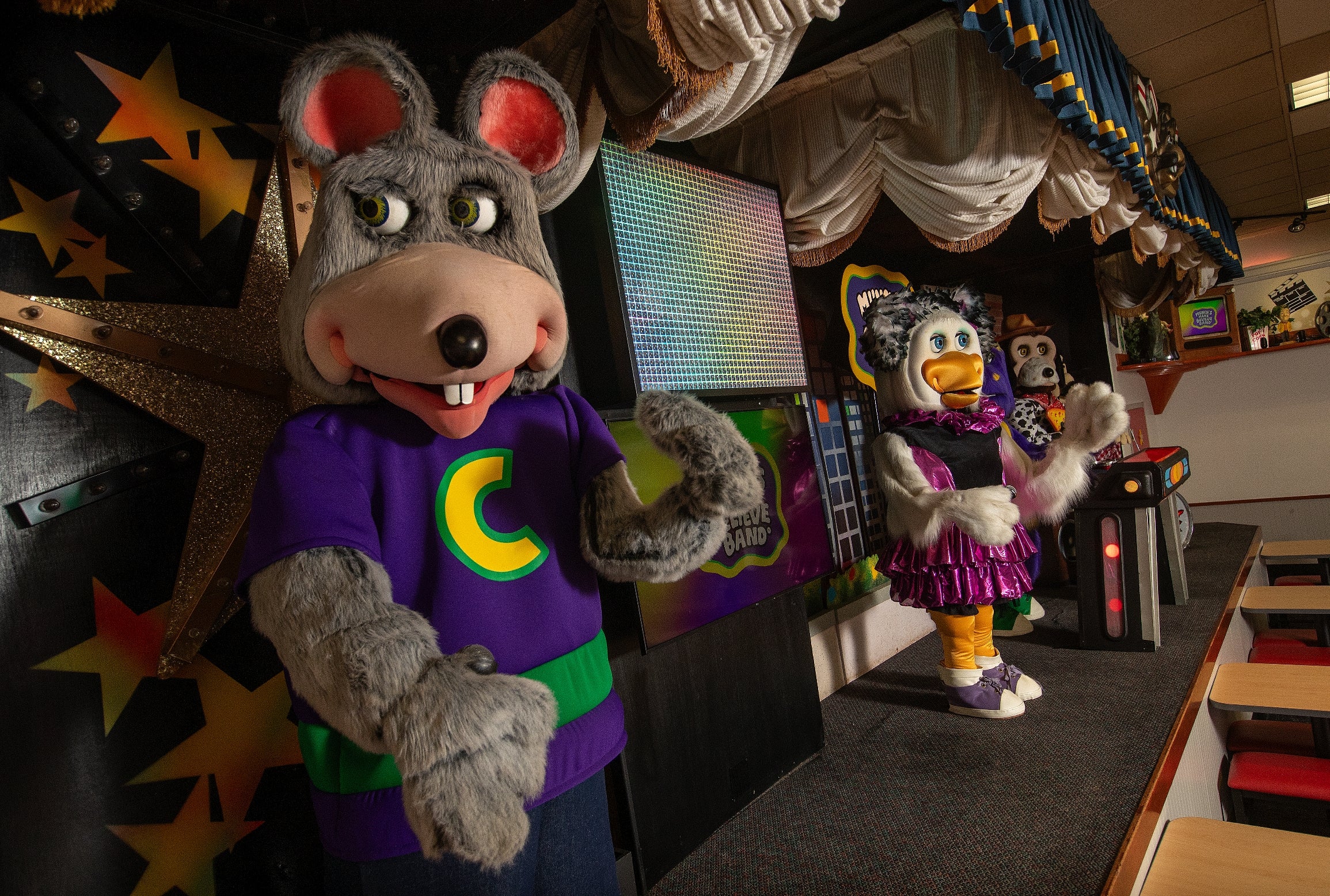
7. The original Chuck E. Cheese mascot was supposed to be a coyote, but the company accidentally ordered a rat costume. When Nolan Bushnell was creating the restaurant that would become Chuck E. Cheese, he originally planned to call it Coyote Pizza and picked a coyote as the mascot. He even bought what he thought was a coyote costume from a vendor who created costumes for walk-around characters at amusement parks. But when the costume arrived, everyone else noticed something he didn’t at first: it wasn't a coyote at all, it was a rat.
Mark Sullivan / WireImage / Getty Images
Rather than send it back, Bushnell decided to roll with the unexpected animal and initially called the character "Rick Rat." Marketing didn't love the idea of a restaurant named after a rat, so the team came up with the friendlier name Chuck E. Cheese instead. For years, Chuck was officially a rat mascot, but the character was later softened into a mouse figure, which is much more appealing.
Mel Melcon / Los Angeles Times via Getty Images
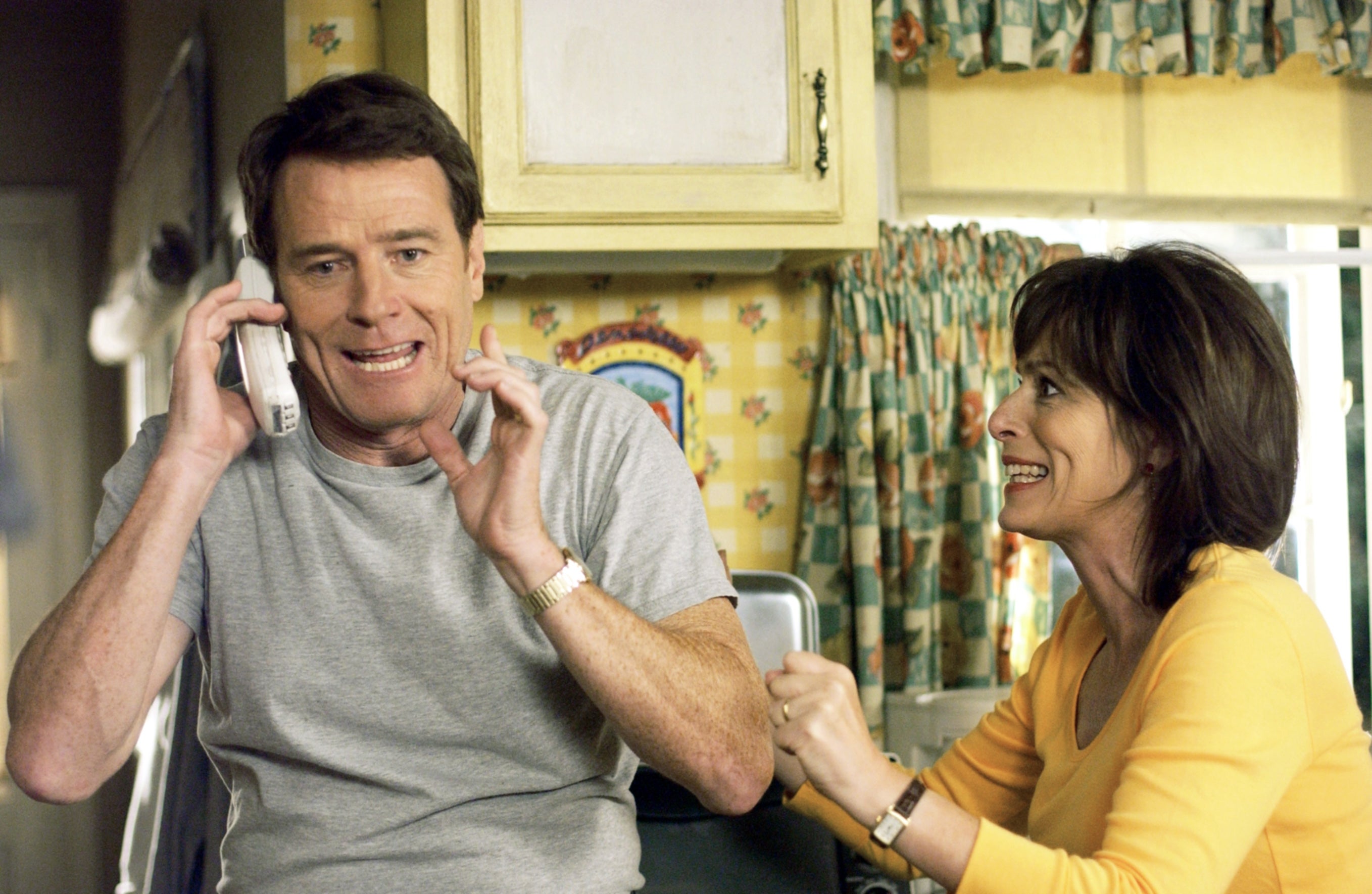
8. Bryan Cranston made money (and still makes money) from whistling on Malcolm in the Middle. During filming, Cranston often whistled short tunes during scenes, especially when Hal was distracted or deep in thought. The music clearance people asked him whose songs he was whistling because, even though it was just whistling, they still needed to clear them for copyright reasons. Cranston told them that the tunes were ones he made up on the spot.

Fox Network. All rights reserved. / Courtesy Everett Collection
The music clearance people told him to join the Songwriters Guild because he was technically creating songs for the show, and because those moments counted as musical performances, Cranston was able to receive small music royalties. Over time, those checks added up, and he would use that money to throw parties for the crew members. Eventually, crew members caught wind and started suggesting that he whistle more and more on the show so they could have more parties. To this day, aside from getting royalties for his performance on the show, he also gets royalties for his music too.
©20thCentFox/Courtesy Everett Collection
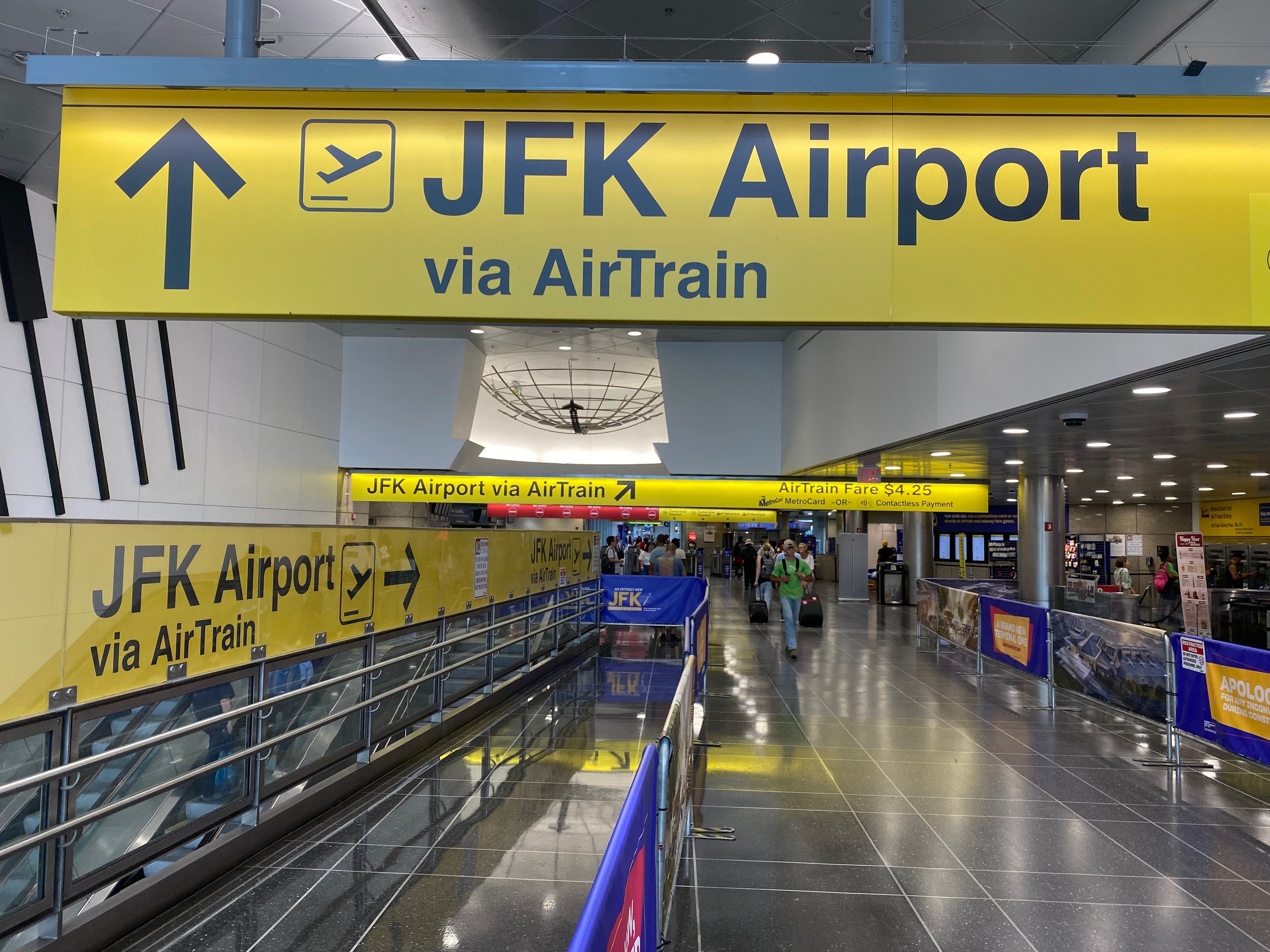
9. If you've ever felt like airport signs look strangely familiar no matter where you travel, there's a reason for it. Airports around the world commonly use the Frutiger typeface, or closely related fonts like Helvetica and Clearview, because they were designed to be exceptionally clear and easy to read in busy, fast-moving environments. Swiss designer Adrian Frutiger created the typeface for signage at Paris's Charles de Gaulle Airport in 1970 after studying how people recognize letters from different distances and angles.

Jeff Greenberg / Universal Images Group via Getty Images
Its open, highly legible design makes it easier for travelers to quickly spot gates, baggage claims, and exits, even while rushing through crowded terminals. Because it worked so well, Frutiger became the gold standard for airport wayfinding, and many airports that don't use it directly rely on similar typefaces. In fact, today, 75% of all airports use either Frutiger, Helvetica, or Clearview.
UCG / UCG/Universal Images Group via Getty Images
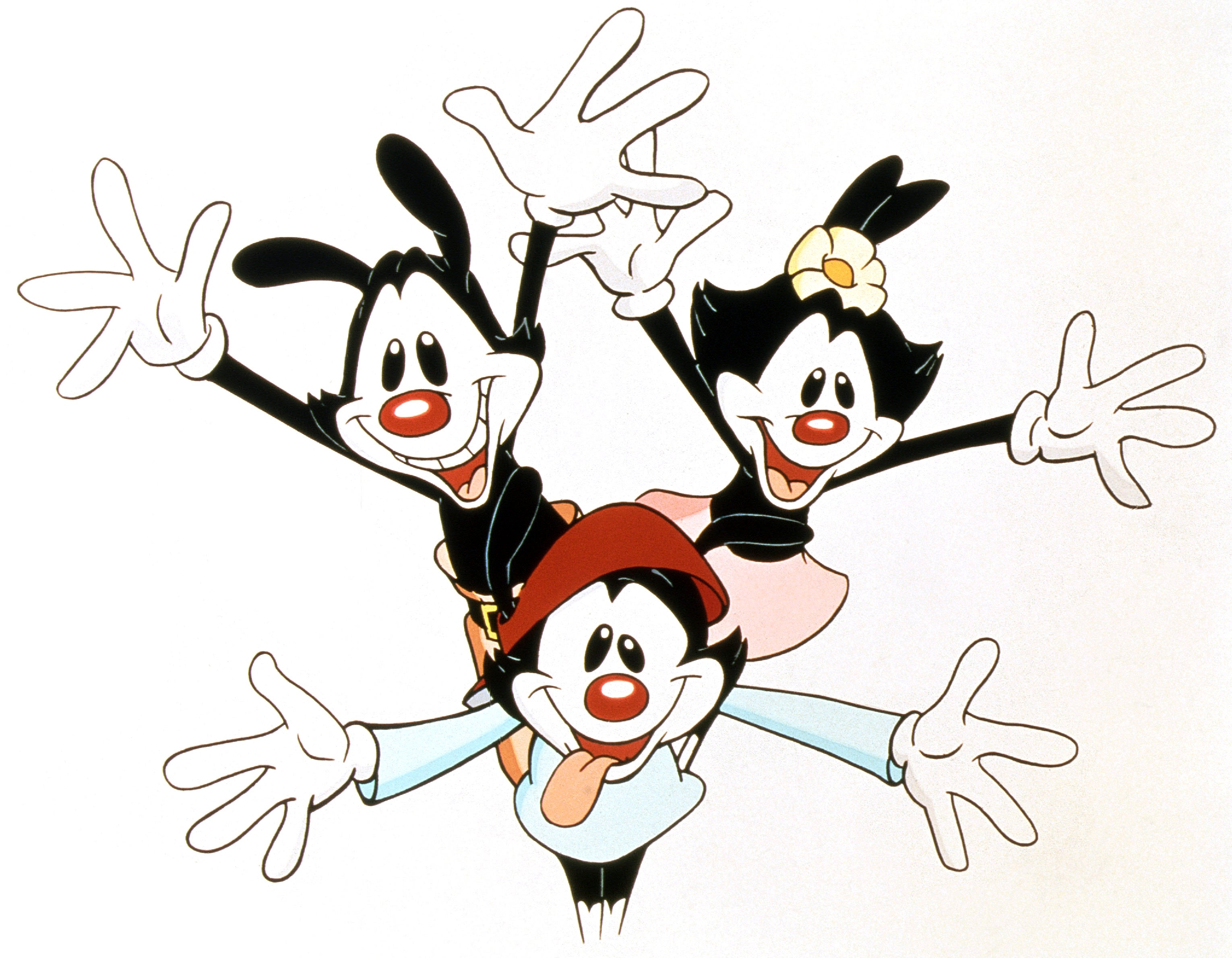
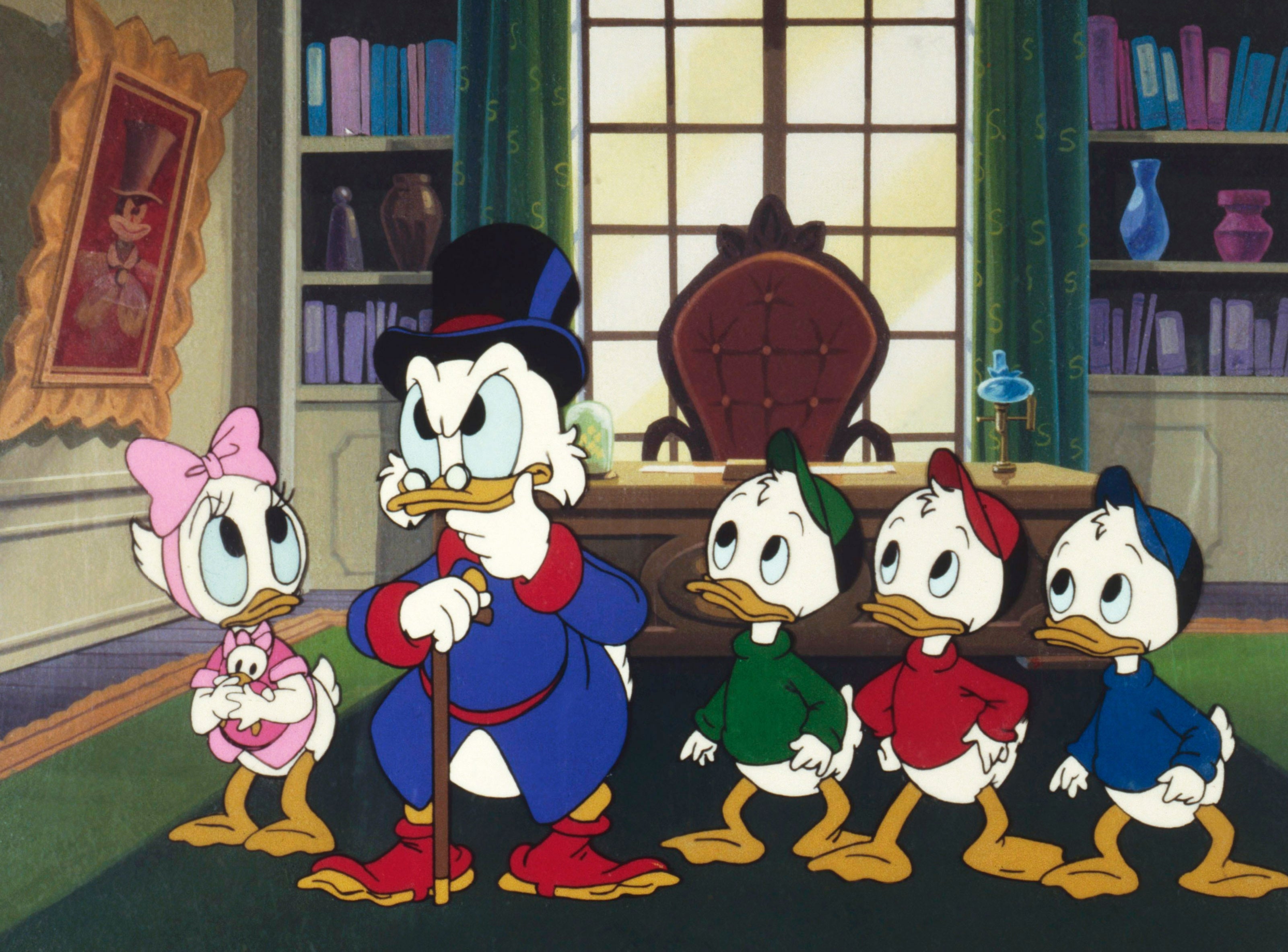
10. Before Animaniacs became the classic show we know today, its creator, Tom Ruegger, originally pitched it as a series about three duck siblings. The idea came after his success with Tiny Toon Adventures and the character of Plucky Duck. Ruegger wanted to continue making a funny, fast-paced cartoon for Warner Bros., and the original duck concept was meant to capture classic slapstick humor, similar to old Warner Bros. cartoons.
©Warner Bros/Courtesy Everett Collection
During development, the team realized that along with Plucky Duck, there were a lot of other duck characters in afternoon cartoons, like on Disney's DuckTales and Darkwing Duck. To avoid creating more duck characters, Ruegger then reimagined the characters as the Warner siblings — Yakko, Wakko, and Dot — who could be mischievous, chaotic, and endlessly flexible in their humor. The change allowed the writers to explore a wider range of jokes, parodies, and pop culture references.
©Buena Vista Pictures/Courtesy Everett Collection
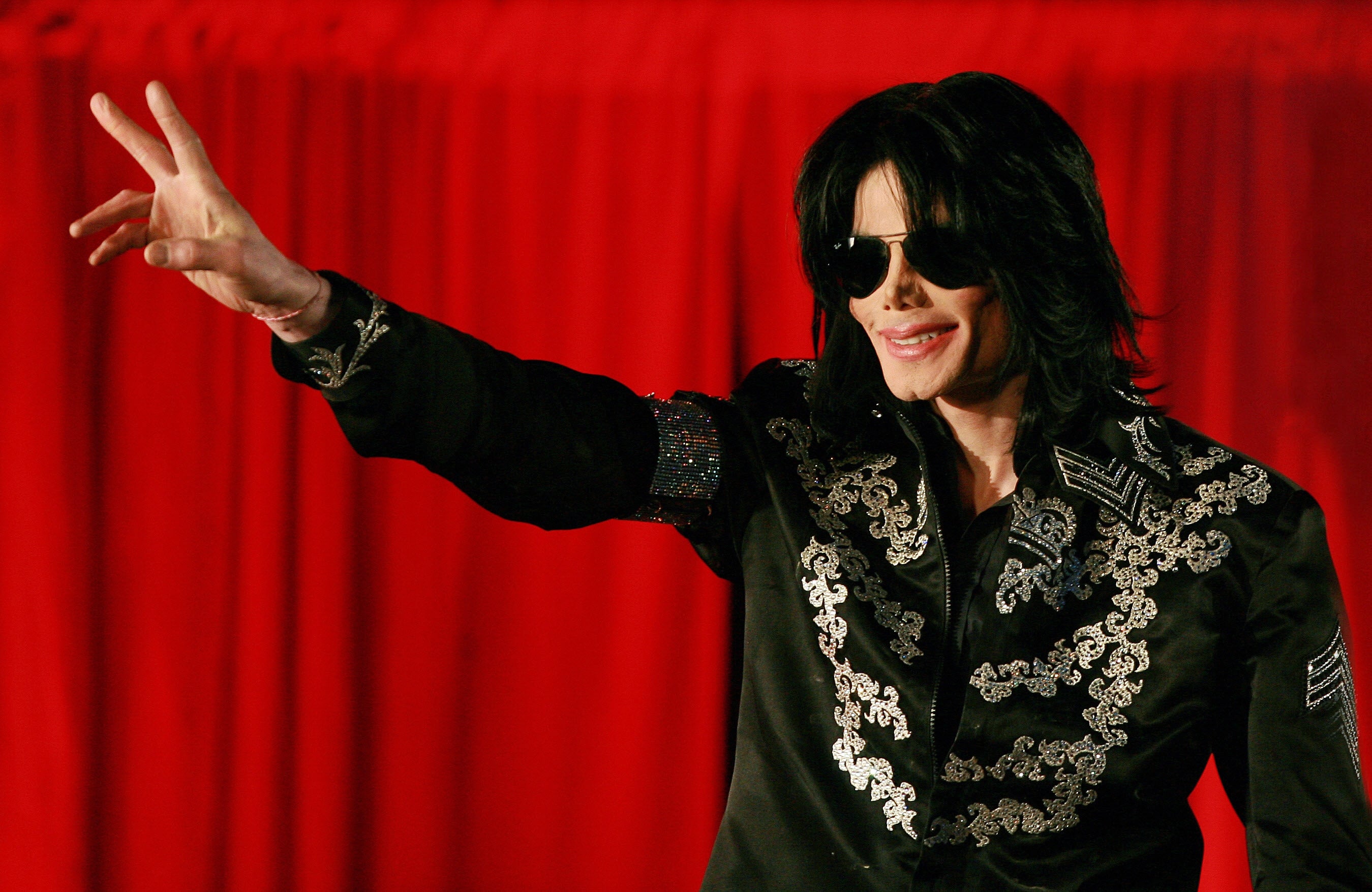
11. And lastly, after Michael Jackson's death in 2009, Sony released a posthumous album, Michael, in 2010. Almost immediately, fans began to question whether all the vocals on the album were actually Jackson's. Three songs — "Breaking News," "Keep Your Head Up," and "Monster" — were accused of featuring an impersonator instead of Jackson. Sony stated the songs came from recordings Jackson made in 2007 at the New Jersey home of his friend and producer Eddie Cascio (who also claimed it was Jackson on the tracks).
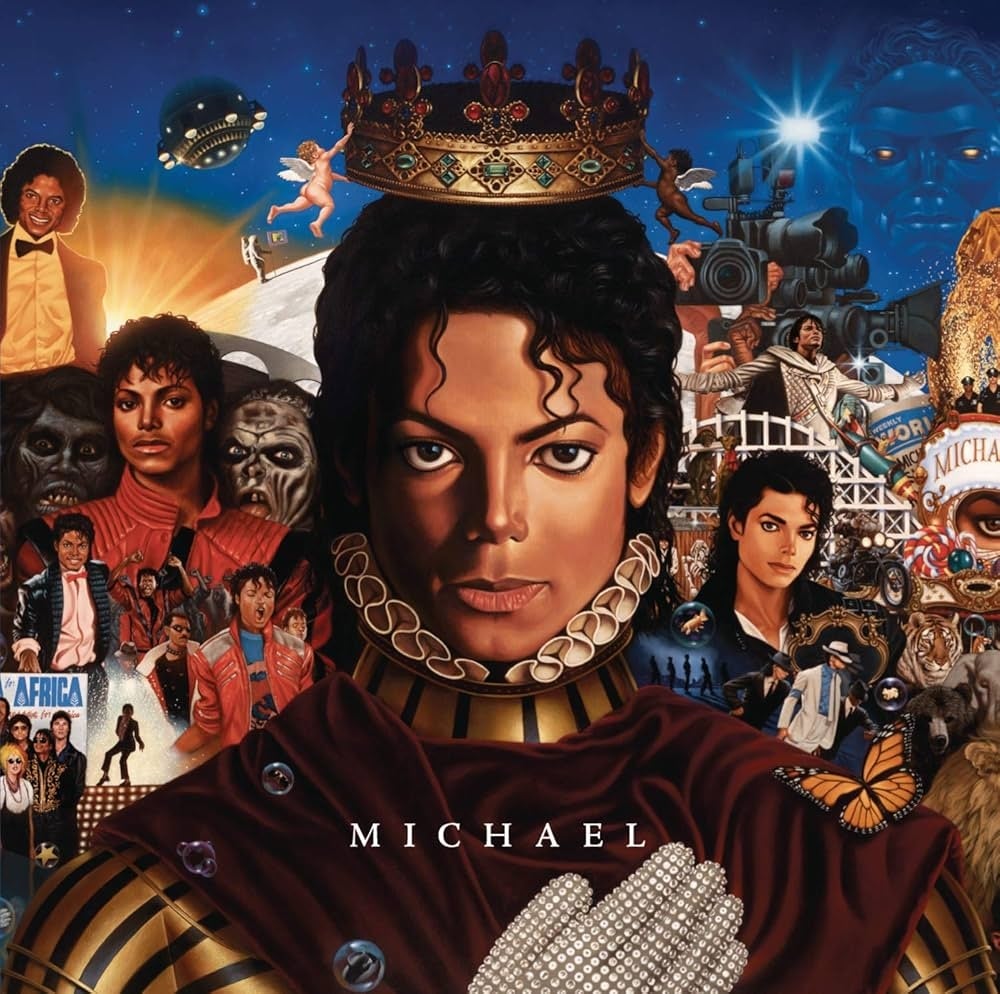
However, many fans, experts, and even some of Jackson's family members insisted the voice didn't sound like him. A lawsuit was filed against Sony and the producers in 2014, claiming they knowingly released fake songs to cash in on Jackson's legacy. For years, Sony denied wrongdoing, though in 2022, the three disputed songs were quietly removed from streaming services, further fueling suspicions that the recordings were not authentic.
CARL DE SOUZA / AFP via Getty Images









 English (US)