
 International
  Politics
  Local
Local  Finance
  Sports
  Entertainment
  Lifestyle
  Technology
  Literature
  Science
  Health
  3 days ago
10
3 days ago
10
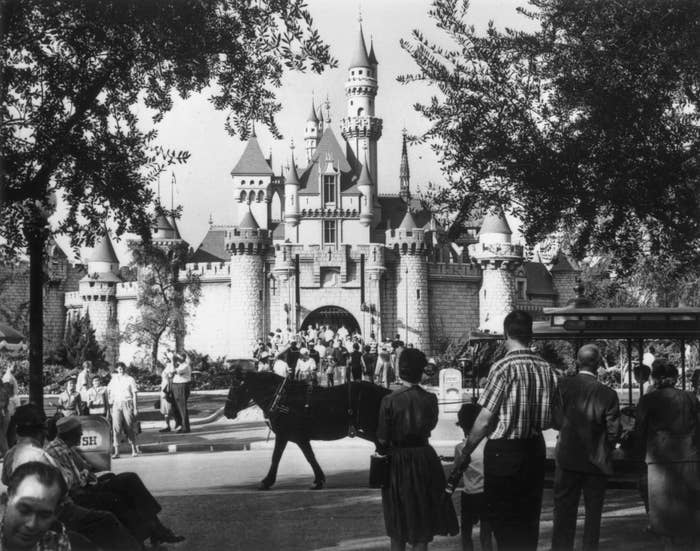
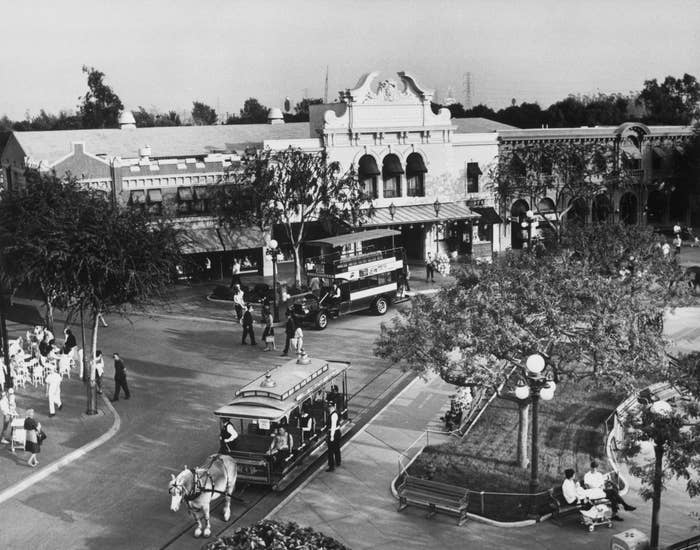
1. Disneyland had only been open for five years when what was believed to be the park's first and only armed robbery took place on Aug. 21, 1960. Restaurant cashier Richard Lowry was carrying about $10,000 in cash (about $113,217 in today's money when adjusted for inflation) from the Red Wagon Inn to Disneyland's on-site Bank of America branch. At the time, cast members regularly walked large sums of money through crowded guest areas. Lowry claimed that a gunman stopped him on Main Street, forced him into a restroom, and stole the money before escaping.
Avalon / Getty Images
However, the police quickly became suspicious because his story kept changing, with details about the number of robbers and the weapons involved shifting from one account to another. After failing a lie-detector test, Lowry admitted he knew where the money was hidden and led police to a linen closet inside the restaurant where the cash had been stashed. The supposed holdup turned out to be an inside job rather than a real robbery.
Bettmann / Bettmann Archive / Getty Images
2. Speaking about the early days of Disneyland, after the park opened in 1995, Japanese businessman Kunizo Matsuo visited and became convinced that a Disney-style theme park would be a huge success in Japan. He reportedly approached Walt Disney with the idea of bringing the concept to the city of Nara. According to accounts of the project, Disney was interested, and Imagineers even worked with Matsuo on early plans for a Japanese Disneyland. The original vision was to license Disney's characters and brand, similar to the arrangement that would later be used for Tokyo Disneyland and the OLC Group.
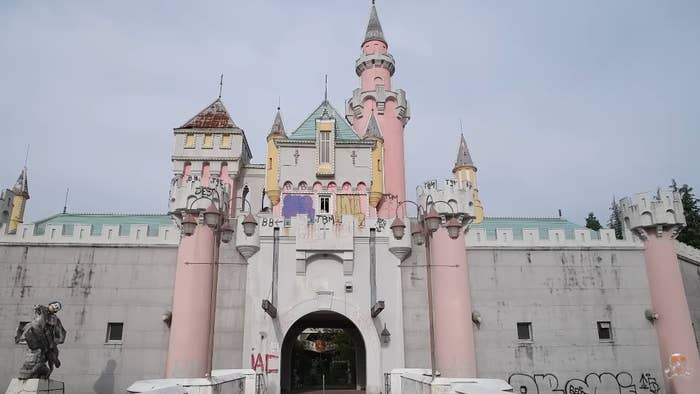
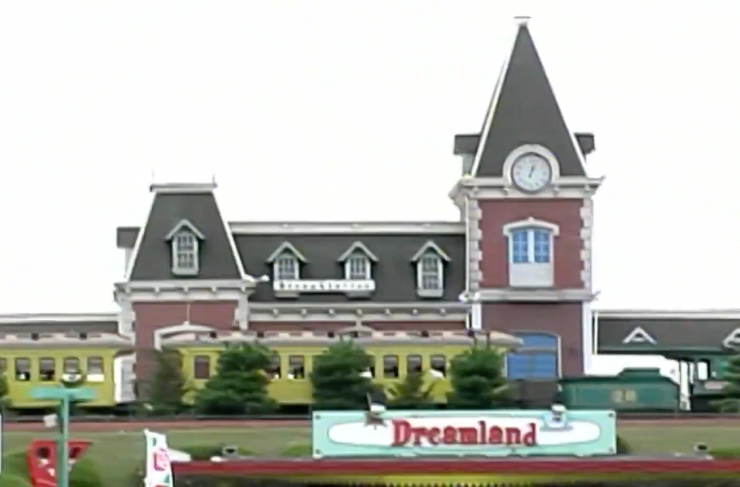
However, supposedly, negotiations with the Walt Disney Company eventually broke down over licensing fees, causing the partnership to collapse. Rather than abandon the idea, Matsuo moved forward on his own and opened a park called Nara Dreamland in 1961. The park closely copied Disneyland's design, featuring a Sleeping Beauty-inspired castle, a train station entrance, a Main Street, a central hub layout, and attractions resembling Disneyland favorites such as the Jungle Cruise, Submarine Voyage, and Matterhorn-style bobsled coaster, but featured its own original characters. The park was popular; however, once Tokyo Disneyland opened in 1983, visitors dropped drastically, and the park eventually closed in 2006.
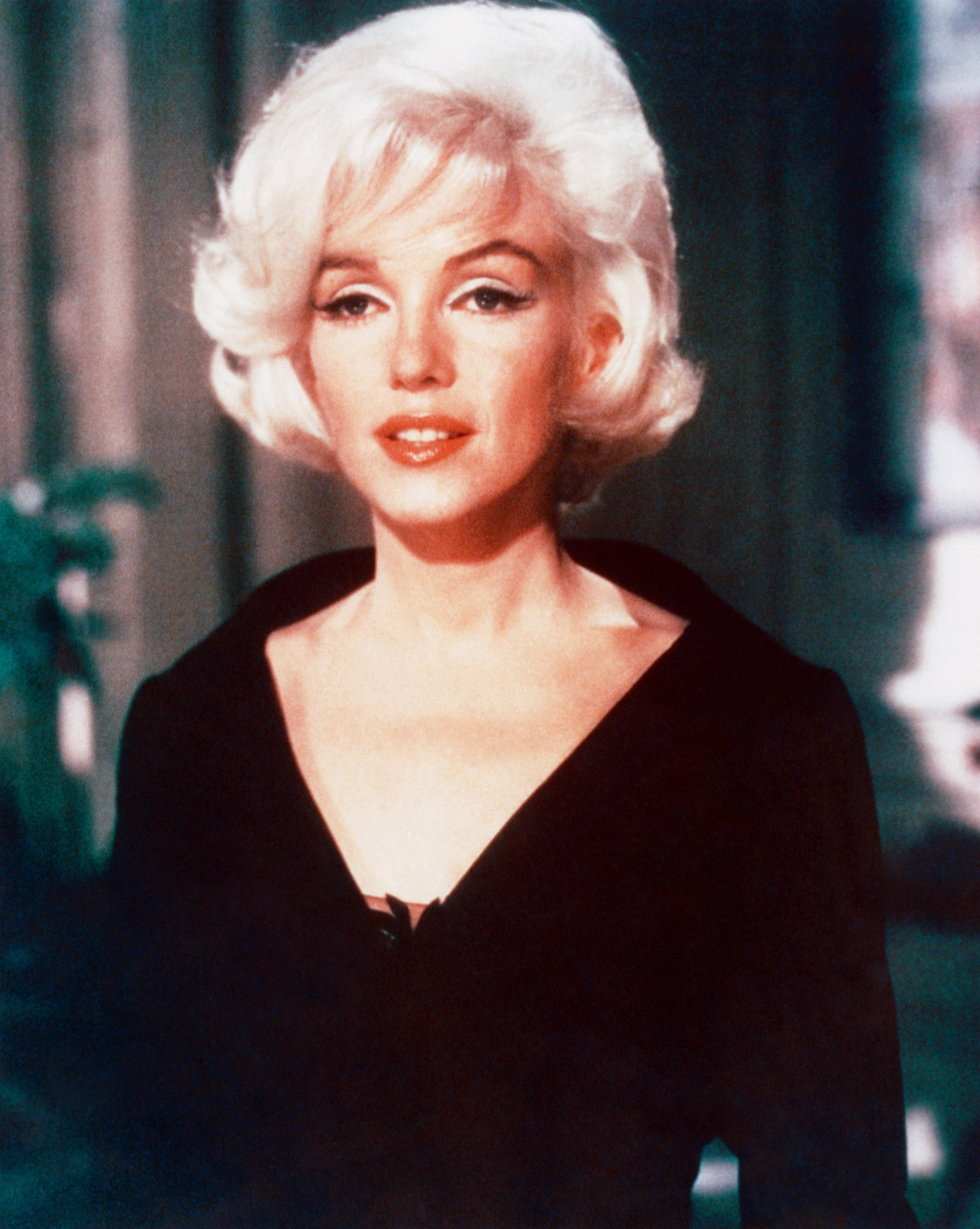
3. In 1962, 20th Century Fox was facing a financial crisis as the budget for the epic film Cleopatra spiraled wildly out of control, eventually becoming one of the most expensive movies ever made at the time. With the studio hemorrhaging money, executives became increasingly concerned about delays on another production, Something's Got to Give, starring Marilyn Monroe in what would be her final film project. Monroe's health problems and frequent absences from the set caused production to fall behind schedule, putting even more pressure on a studio already struggling under Cleopatra's mounting costs.
©20thCentFox/Courtesy Everett Collection
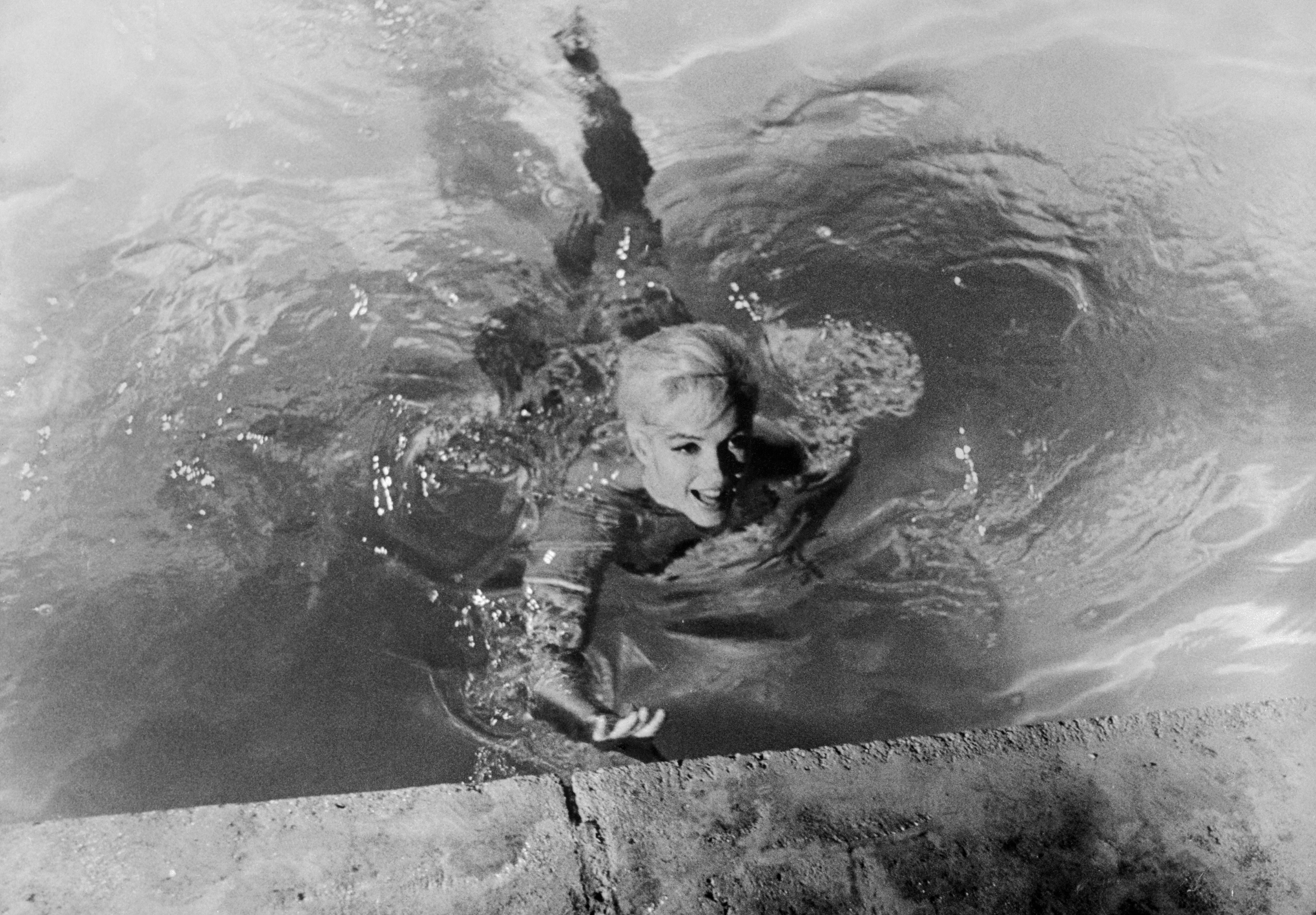
Fox fired Monroe in June 1962 and publicly blamed her for the delays, though many historians believe the studio only really did it 'cause it was looking for ways to cut costs wherever it could because of Cleopatra. The troubled romantic comedy is perhaps best remembered today for Monroe's famous skinny-dipping pool scene, in which she appeared nude in footage and a color photo shoot that generated enormous publicity. Eventually, co-star Dean Martin said he would work with Monroe on the film only, leading 20th Century Fox to agree to hire her back. The studio scheduled for production to resume in October 1962; however, Monroe would die in August of that year. Instead of canceling the movie, the studio recast it with Doris Day and James Garner, and changed the name to Move Over, Darling.
Bettmann / Bettmann Archive / Getty Images
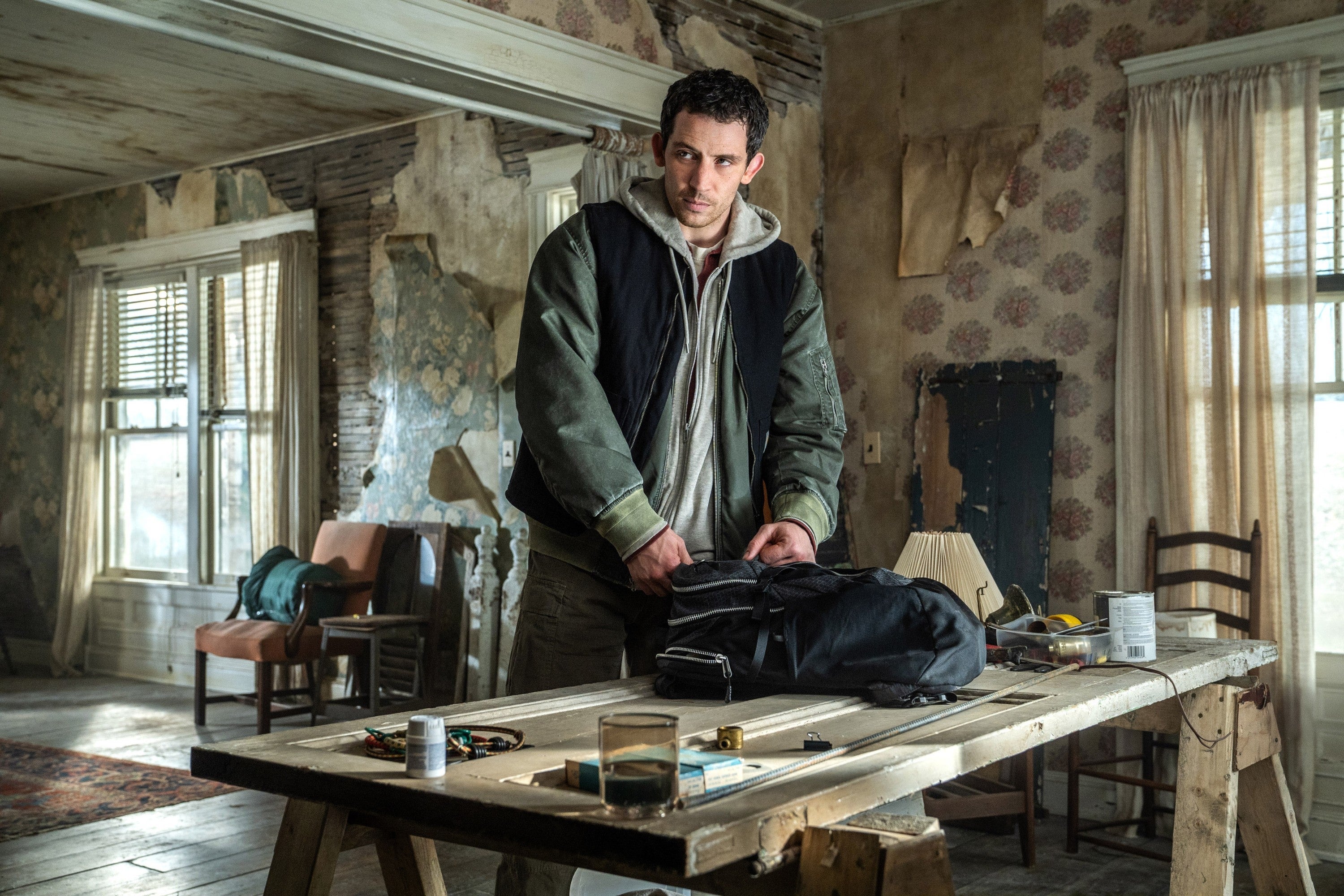
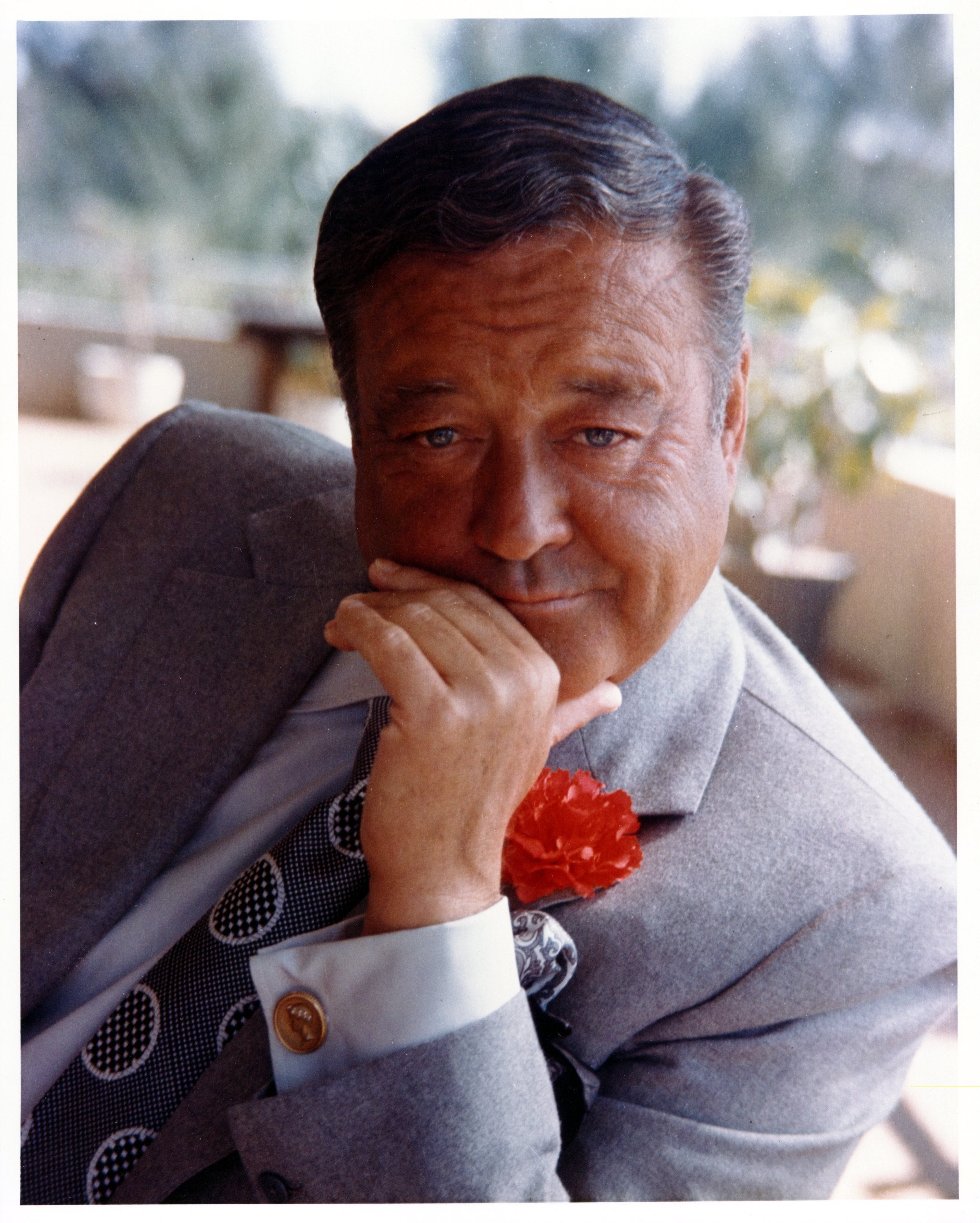
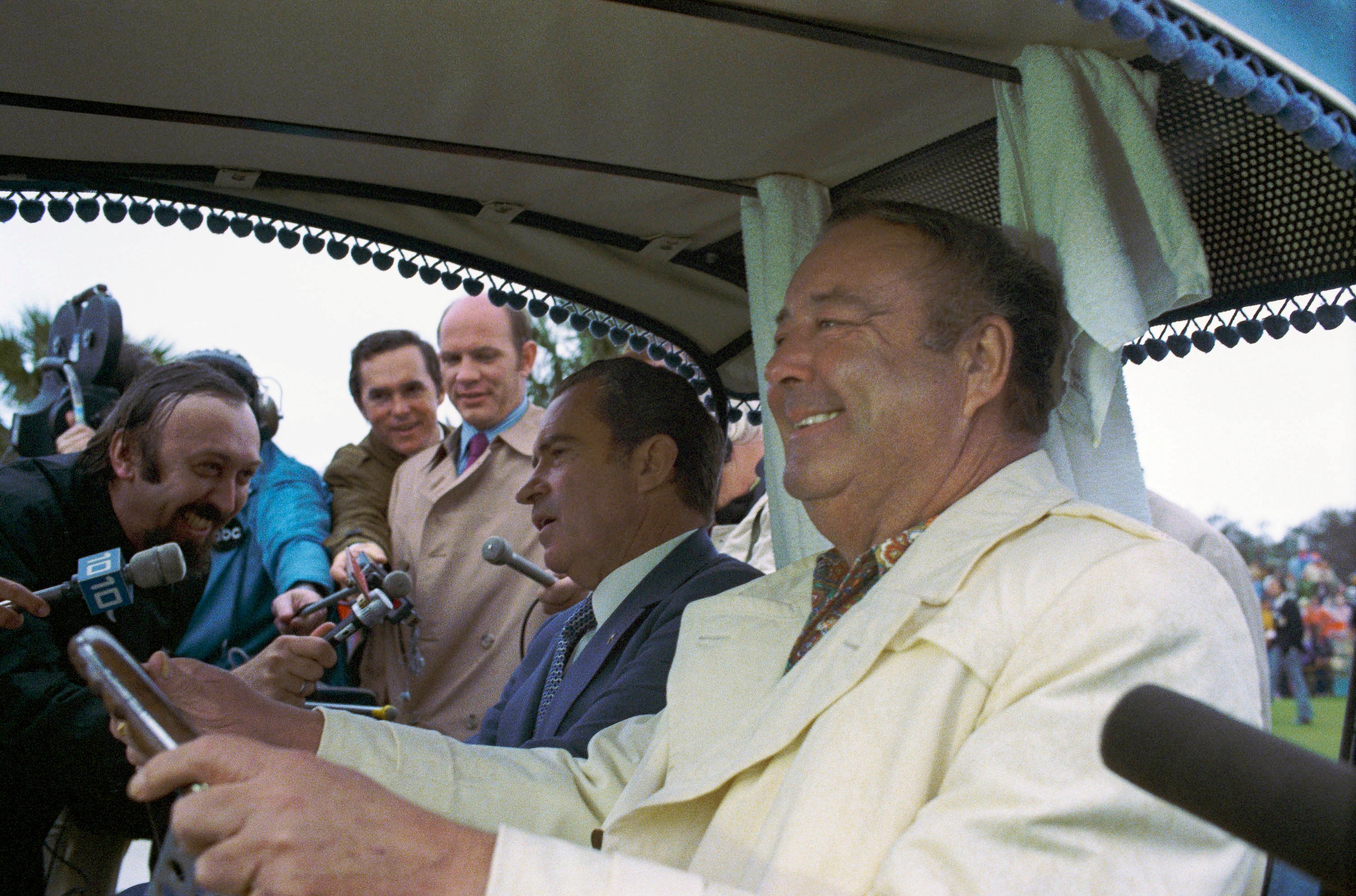
4. Mild spoilers ahead: If you've seen Disclosure Day, then you probably remember the scene showing security footage of President Richard Nixon taking an unnamed "old TV star" to view recovered alien bodies. What you might not know is that the scene is based on a decades-old UFO legend involving comedian Jackie Gleason, who was famously fascinated by UFOs and the paranormal, and amassed a large collection of books and research on the subject. According to a story later told by Gleason's ex-wife Beverly, Nixon, who was a good friend of the entertainer, drove him to Homestead Air Force Base in Florida on Feb. 19, 1973, and showed him what were supposedly the preserved bodies of extraterrestrials recovered from a crashed UFO.
Niko Tavernise / © Universal Pictures /Courtesy Everett Collection
As the story goes, Gleason returned home visibly shaken and, after swearing her to secrecy, told his wife about seeing "six or eight" small, managled non-human bodies stored in cases that "looked like glass-topped Coke freezers." Supposedly, he couldn't eat or sleep for weeks after that. The story then goes that Beverly would "tell" the story the following year in an interview with Esquire, following their divorce. For his part, Gleason, who would die in 1986, never mentioned it publicly, but allegedly told the story in 1985 to Larry Warren, a former Air Force security officer who witnessed a UFO landing in Rendlesham Forest in the UK.
Michael Ochs Archives / Getty Images
Now, there are some problems with the sources here. Beverly never told Esquire that story; she actually told it to the National Enquirer in 1983. While the story of Gleason confirming that he saw the alien bodies doesn't come from Warren himself, but rather from UFO-ologist Timothy Green Beckley. For the record, Nixon and Gleason were together on Feb. 19, 1973 (the photo below is from that), but, according to the records, it was only for a golf tournament.
HUM Images / HUM Images/Universal Images Group via Getty Images
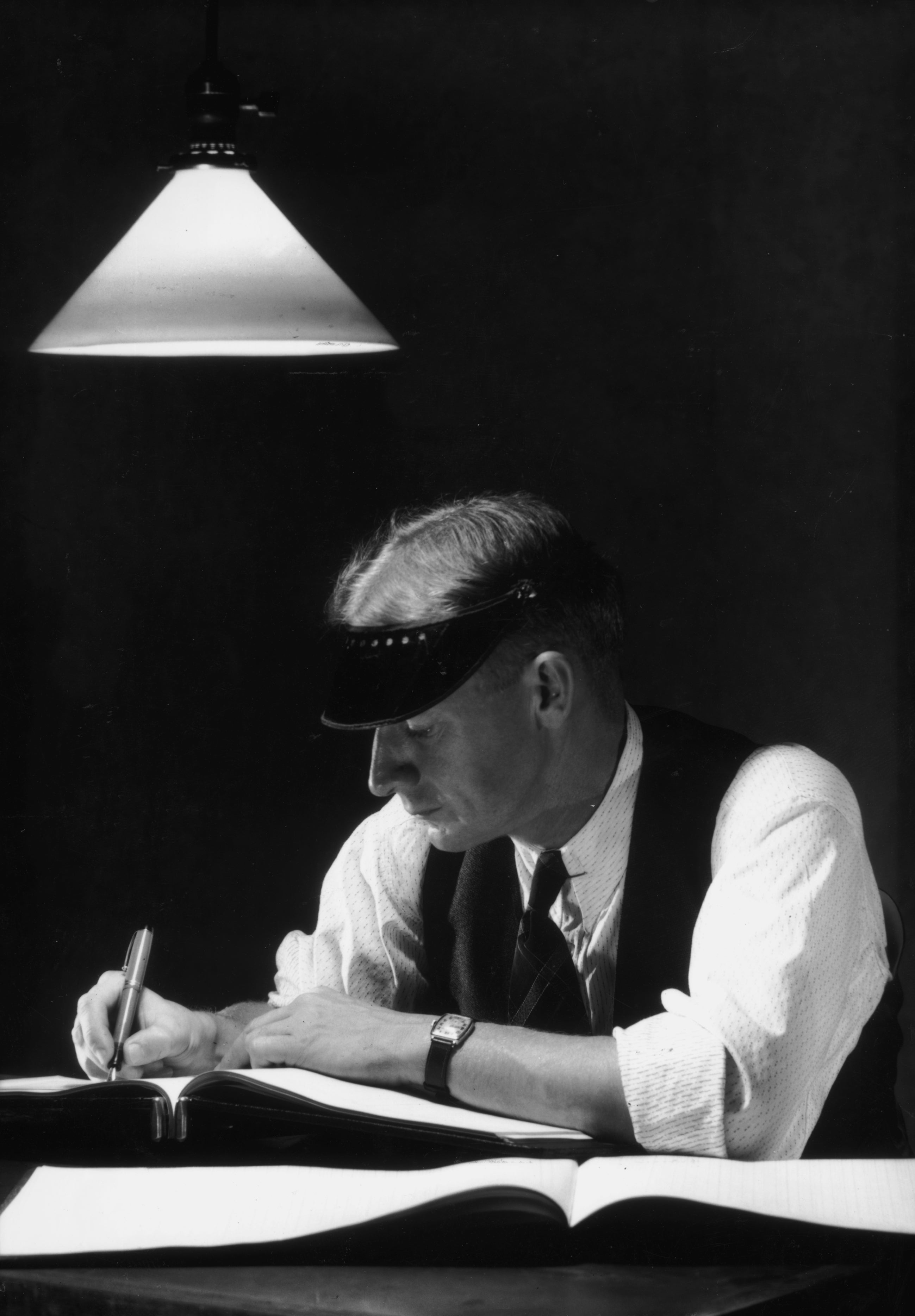
5. If you picture an old-fashioned accountant, banker, or bookkeeper, there's a good chance you're picturing them wearing a distinctive green eyeshade. While it eventually became a visual stereotype for people who worked with numbers and paperwork, the accessory actually served a practical purpose. In the late 19th and early 20th centuries, offices were often lit by harsh gas lamps, oil lamps, or early electric bulbs that produced significant glare. Employees spent long hours reading ledgers, balancing accounts, and reviewing documents by hand, which could cause eye strain and fatigue.
Hulton Archive / Getty Images
The green-tinted visors (though they came in other colors) helped reduce glare and filter some of the bright light without making it difficult to read paperwork. Green was popular because it was thought to be easier on the eyes than other colors and provided a comfortable contrast against white paper. As office lighting improved with fluorescent lights, the need for eyeshades disappeared; the visor has lived on in popular culture to this day as a visual symbol of accountants and office workers.

Cmannphoto / Getty Images
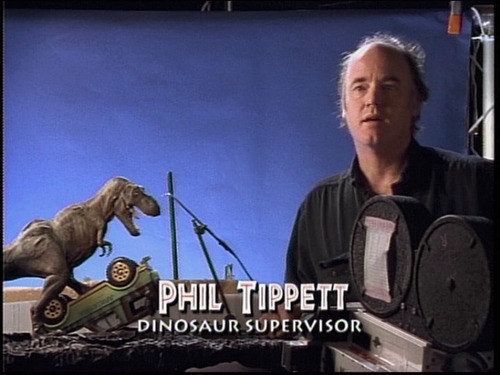
6. If you were chronically online between 2013 and 2015, you probably came across this popular "You had one job!" meme about Phil Tippett, the "dinosaur supervisor" credited in the end credits of Jurassic Park. Well, Tippett was actually an Oscar-winning special effects producer who was brought on to work on Jurassic Park because he specialized in stop-motion animation. Originally, Steven Spielberg had thought all the up-close shots of the dinosaurs would be done by puppets and animatronics (which they did use), and all the full shots and running sequences would be done using models and stop-motion animation.

Universal Pictures
However, the team at Industrial Light & Magic told Spielberg that CGI technology had improved significantly, and they could create dinosaurs that could fool the eye. Once Spielberg saw the CGI dinosaurs, he knew that was the way to go. When Spielberg told Tippett that he had decided to go with CGI, Tippett replied, "I’ve just become extinct!" (a line that Steven would actually end up using in the movie). However, it was the exact opposite. Spielberg knew Tippett had a special skill set: He knew how animals behaved and moved. So instead of letting him go, Spielberg made Tippett the "dinosaur supervisor," a role that had him overseeing animation at ILM to ensure the dinosaurs looked as real and moved as realistically as possible. He also created stop-motion scenes for the movie so they could map out what they would look like before filming them.
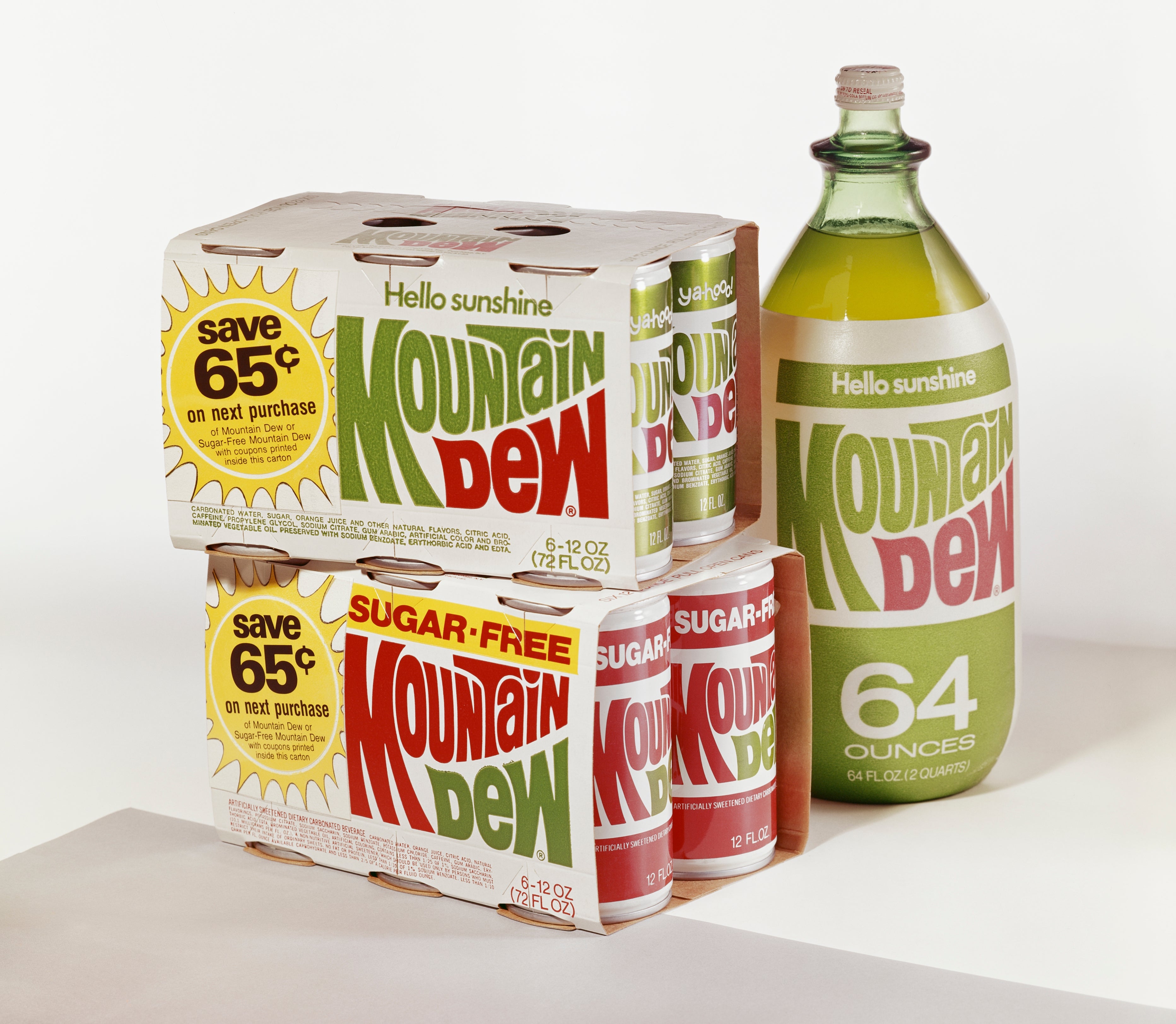
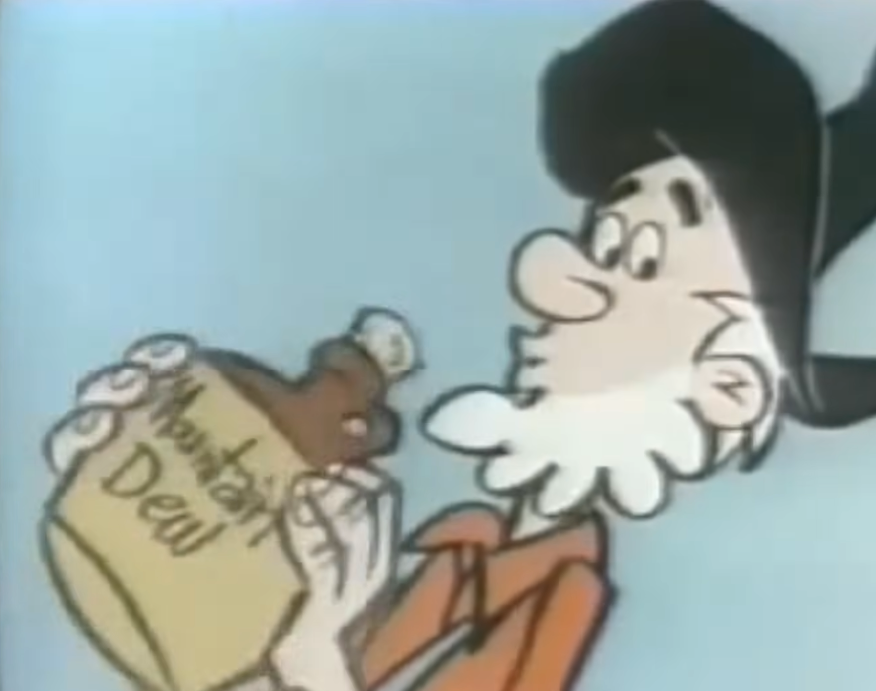
7. Mountain Dew was originally created as a mixer for whiskey. In the early '30s, two brothers from Georgia, Barney and Ally Hartman, moved to Knoxville, Tennessee. After moving, the two missed their favorite mixer, a local soda called Natural Set-Up, which they couldn't get in Knoxville. So they decided to create their own version of it to mix with their hard-to-drink whiskey (which they might have been making themselves at home since it was still Prohibition).
Archive Photos / Getty Images
The original formula was a lemon-lime-flavored, lightly caffeinated drink they called Mountain Dew, a nod to the term for moonshine. While they made the mixer for family and friends, their real desire was to mass-market it. They were unsuccessful in finding a company that would want to buy it before Barney died of a heart attack in 1949. Nearly a decade later, in 1958, Ally sold the recipe rights to Tip Corporation, which would later sell them to Pepsi in 1964. Pepsi would then expand the brand's distribution nationally and use Mountain Dew's original mascot, Willy the Hillbilly, for its TV commercials.
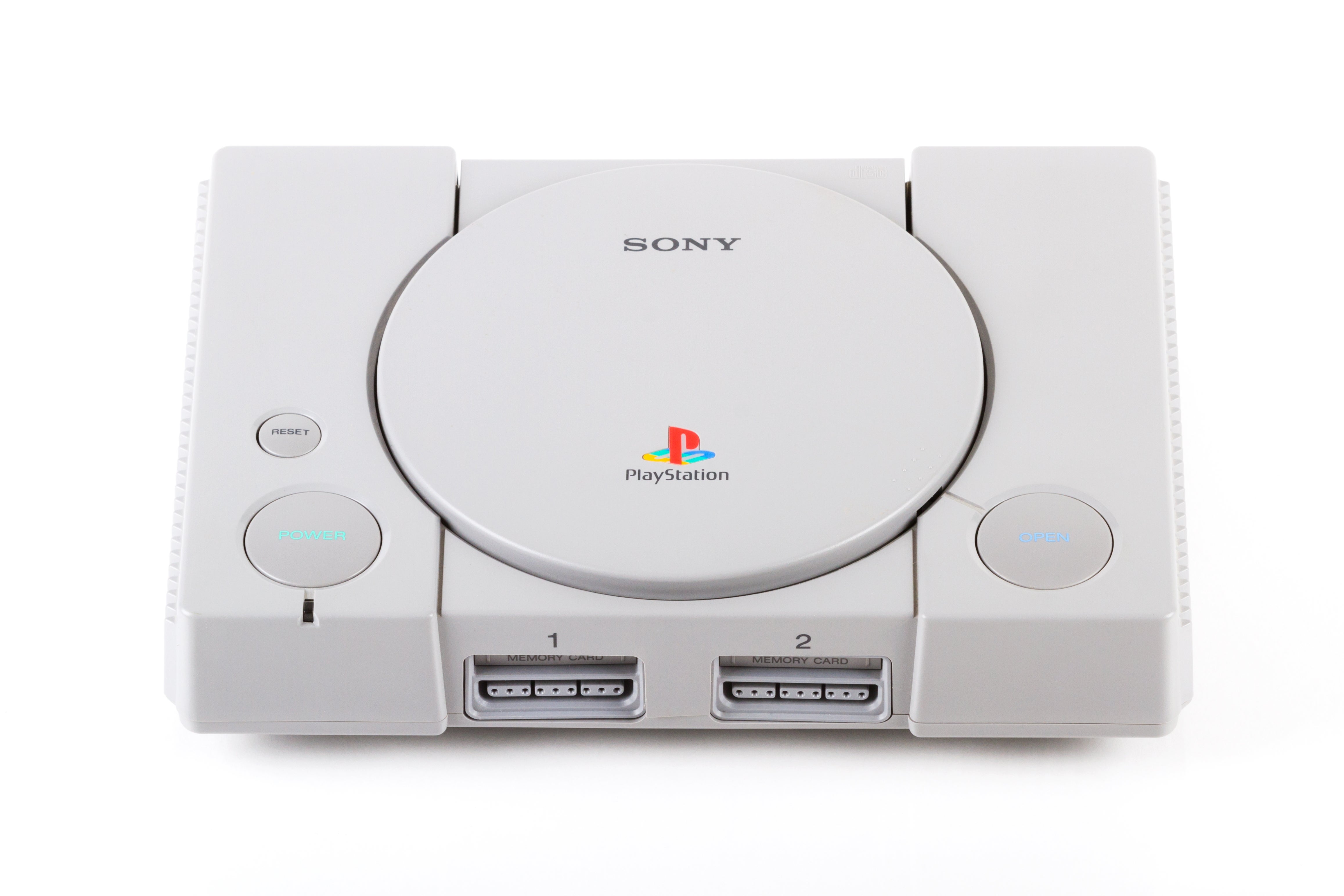
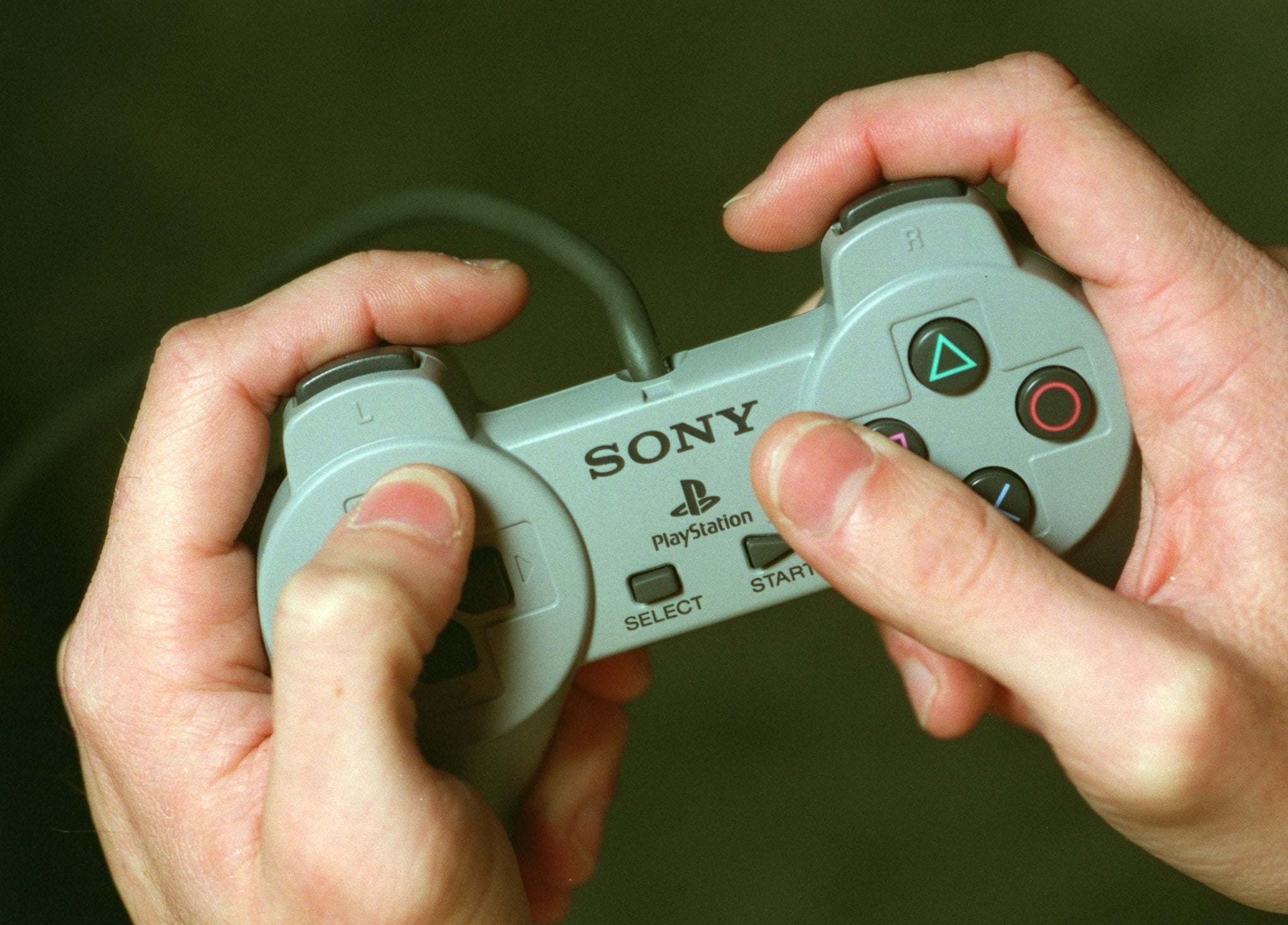
8. It's easy to think of Sony as one of the biggest names in gaming, but the company never originally planned to enter the console/video game business. In the late '80s, Sony partnered with Nintendo to develop a CD-ROM add-on for the upcoming Super Nintendo Entertainment System, a project known as the "Play Station." At the time, CD technology was seen as the future of gaming because it could store far more data than traditional game cartridges.
So-CoAddict / Getty Images
Sony invested heavily in the partnership, only to be blindsided when Nintendo publicly announced a deal with another company, effectively abandoning the collaboration. The move embarrassed Sony executives and sparked a fierce determination within the company to continue the project on its own rather than walk away from the gaming industry altogether. That decision eventually evolved into the original PlayStation, which launched in 1994 in Japan and quickly became a massive success. In fact, as of 2025, Sony has sold 84.2 million of just its PlayStation 5 consoles alone.
Robert Lachman/Los Angeles Times via Getty Images
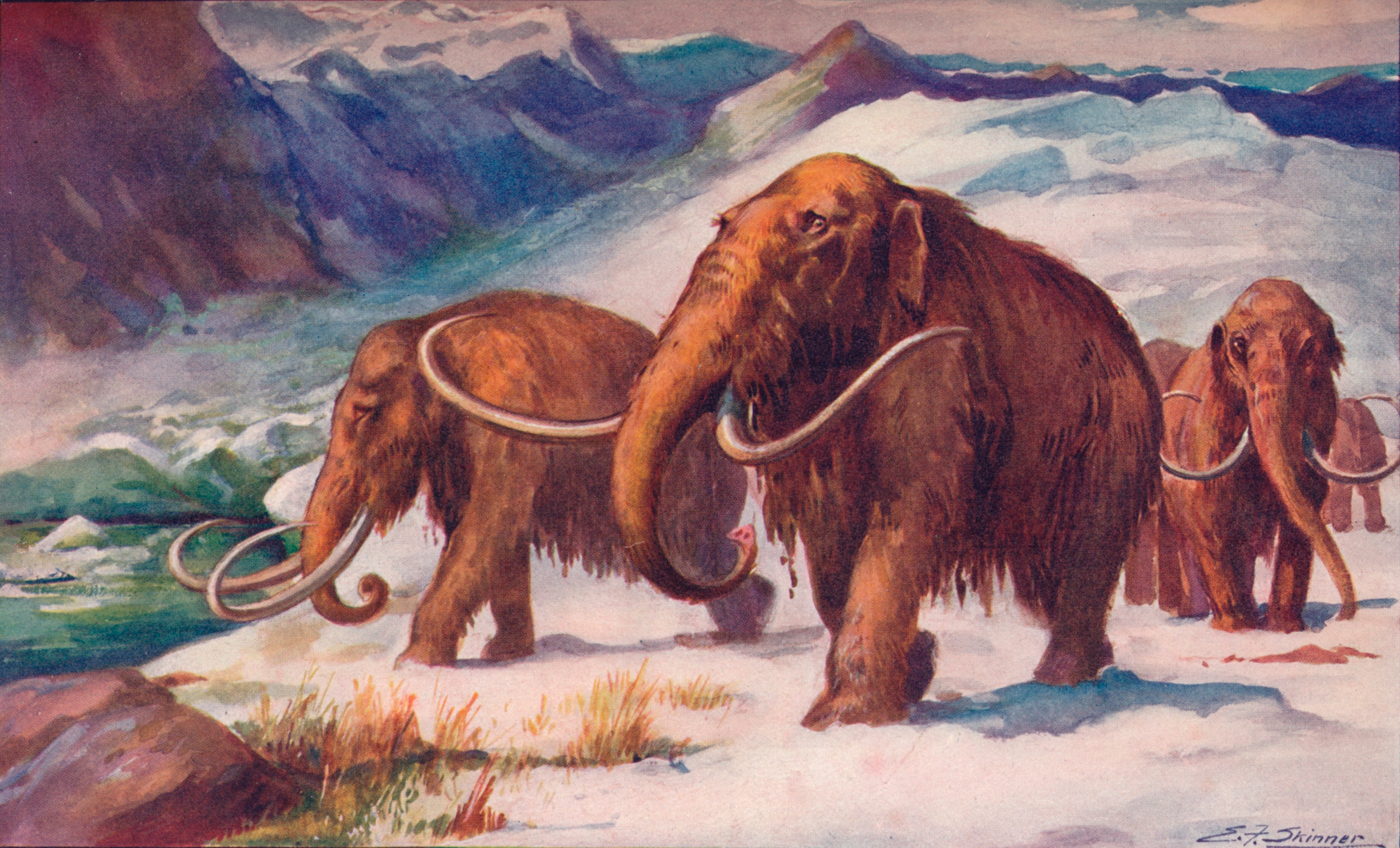
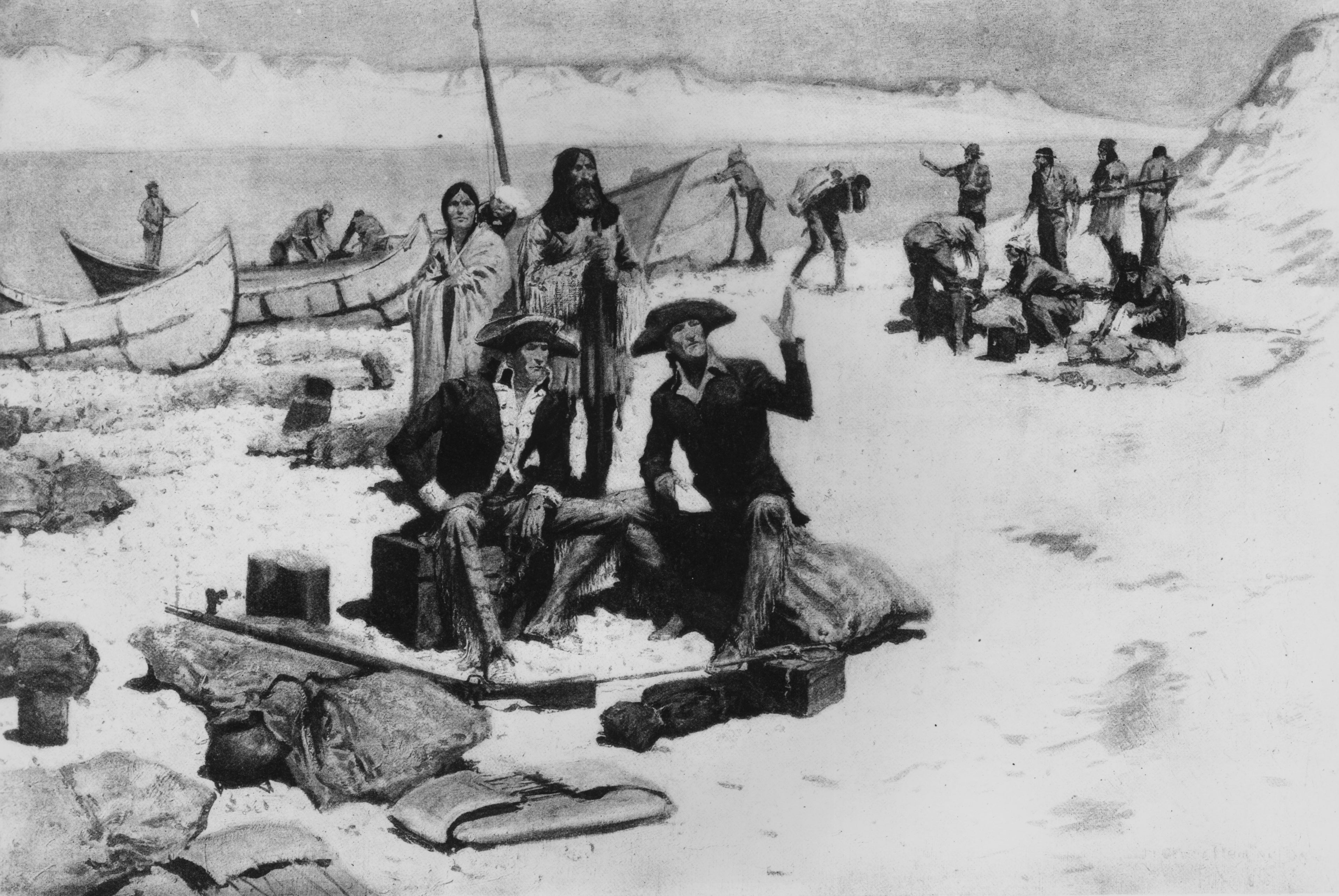
9. Today, it is very well known that woolly mammoths and mastodons went extinct thousands of years ago, but in the late 18th and early 19th centuries, the concept of extinction was still relatively new and far from universally accepted. Among those who doubted it was President Thomas Jefferson, who believed that large prehistoric animals whose bones were just being discovered in North America might still be living somewhere in the vast, unexplored western territories. Jefferson was particularly fascinated by mastodons, which he called the "American incognitum," and he hoped that evidence of living populations would eventually be found.
Print Collector
His interest was fueled in part by a popular European theory promoted by French naturalist Georges-Louis Leclerc, Comte de Buffon, who, without evidence, argued that America's cold climate produced weaker people and smaller animals than those found in Europe. Jefferson took that claim personally and spent years gathering evidence to prove that North America could support enormous and powerful creatures. When he authorized the famous Lewis and Clark Expedition after the Louisiana Purchase, one of the many objectives he gave the explorers was to document unknown animals that might inhabit the West, likely hoping they'd come across living mammoths or mastodons. When Lewis and Clark returned without ever seeing large creatures, Jefferson seemed to accept that they were actually extinct.
MPI / Getty Images
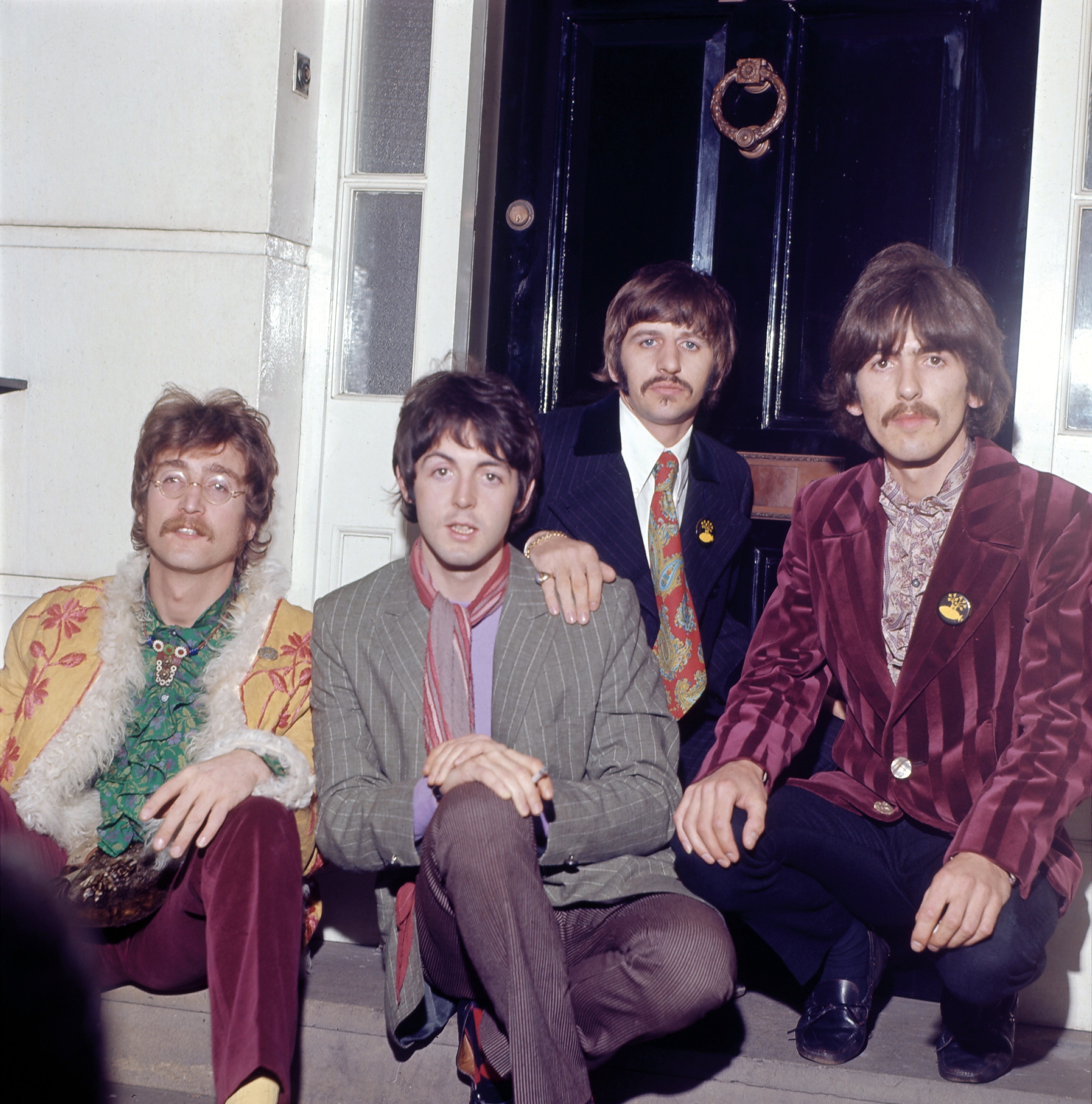
10. And lastly, the Beatles wanted to star in a film adaptation of The Lord of the Rings, with the iconic Stanley Kubrick as the director. Now, for context, by the mid-'60s, the Beatles had already starred in two hit films, A Hard Day's Night and Help!, both of which essentially featured exaggerated versions of themselves. Looking for a bigger creative challenge, the band became interested in adapting The Lord of the Rings for the screen after Denis O'Dell, their film company's head, suggested it. According to various accounts, John Lennon was especially enthusiastic about the project, and the band even began imagining who would play which characters, with Paul McCartney as Frodo, Ringo Starr as Sam, Lennon as Gollum, and George Harrison hoping to take on the role of Gandalf.
Icon And Image / Getty Images
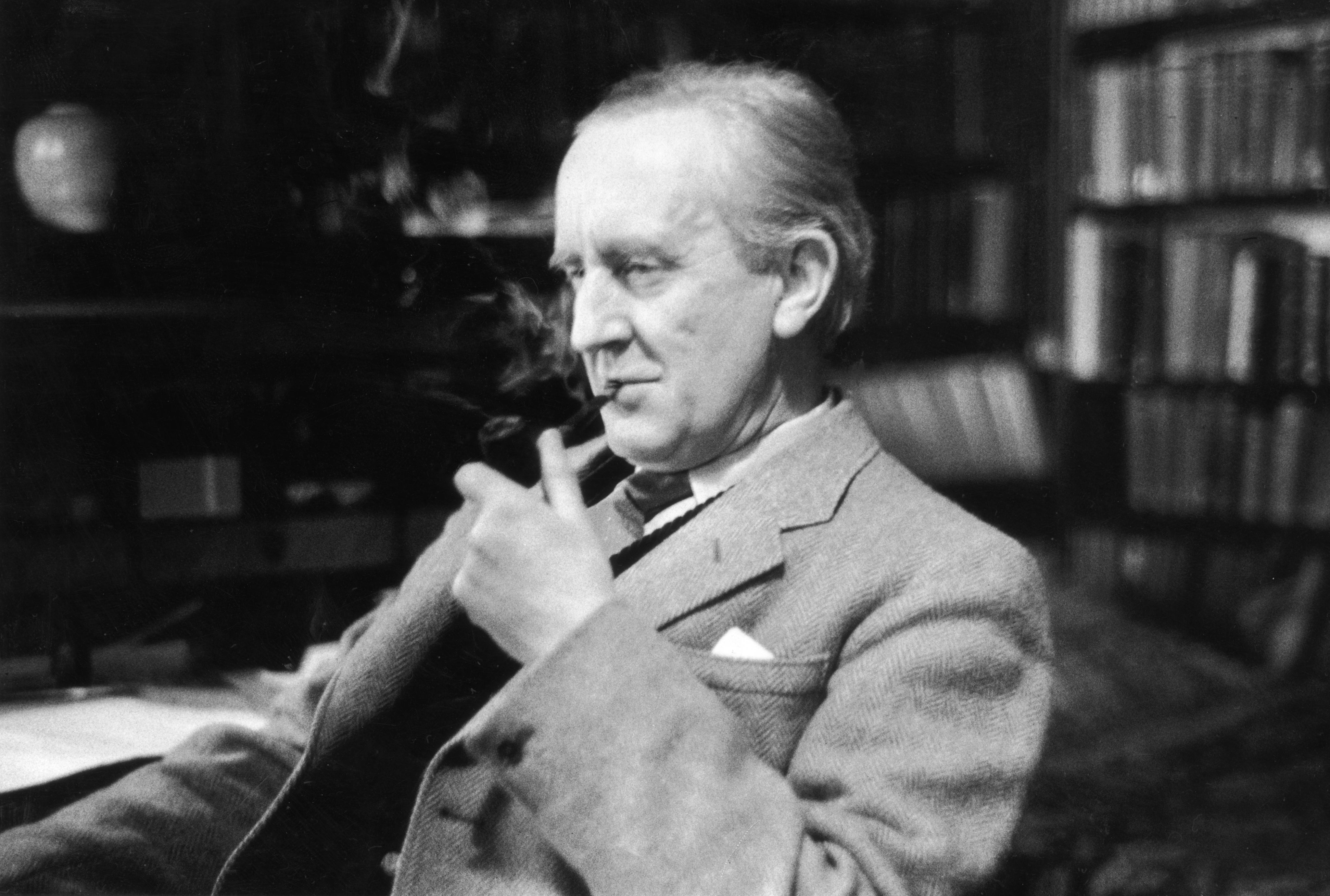
Kubrick reportedly declined because he believed Tolkien's sprawling fantasy epic was impossible to adapt successfully as a movie. Even without Kubrick, the Beatles remained interested in moving forward and explored ways to secure the rights. Ultimately, though, the project ran into a much bigger obstacle: author J. R. R. Tolkien himself. Tolkien was reportedly unimpressed by the idea of a hugely popular "pop group" turning his beloved fantasy novel into a film and refused to grant the Beatles the rights, bringing one of or possibly the strangest "what if?" projects in movie history to an end before it ever got off the ground.
Haywood Magee / Getty Images









 English (US)