
 International
  Politics
  Local
Local  Finance
  Sports
  Entertainment
  Lifestyle
  Technology
  Literature
  Science
  Health
  3 hours ago
4
3 hours ago
4
iGamingPublished:Jun 27, 2026, 5:30 AM
Riot Games has named Kick, the streaming platform owned by the founders of crypto casino Stake, as an official broadcaster of its esports product. This is a full turnaround from its longstanding ban, which took place in multiple steps: about a year ago, it first allowed betting companies as team sponsors while insisting its own channels would remain “betting-free.”
Published: Jun 27, 2026, 5:30 AM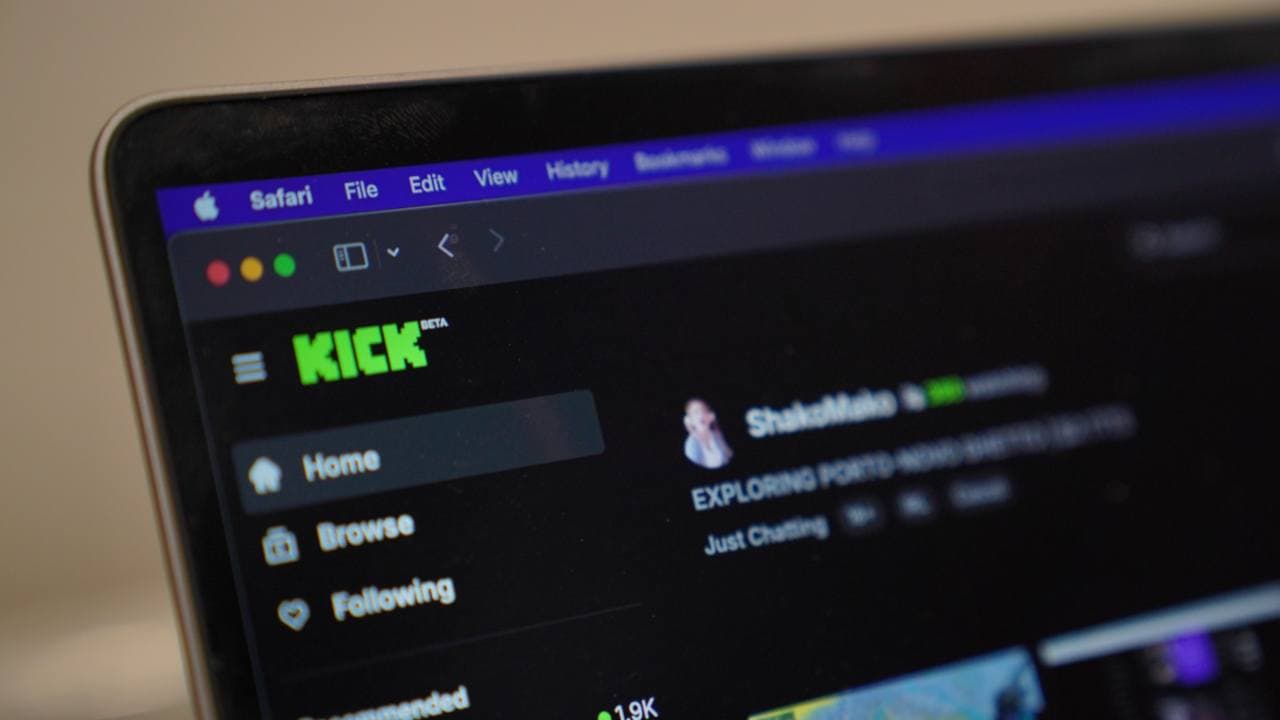
Key Takeaways
- Riot named Stake-owned Kick an official esports broadcaster on June 26, starting with MSI on June 28.
- The deal lands about a year after Riot reversed its long-standing ban on betting sponsors.
- Riot still bars betting logos from broadcasts; Stake-sponsored Team Vitality masks its deal as “E.Leclerc.”
From “betting-free” to a crypto casino’s platform
Riot Games announced that the Kick streaming platform will become an official broadcaster of its League of Legends, VALORANT, and Teamfight Tactics esports tournaments, beginning with the Mid-Season Invitational on June 28. The catch, for a company that spent most of its history keeping gambling at arm’s length: Kick is co-owned by Ed Craven and Bijan Tehrani, the founders of crypto casino Stake.
For years, Riot barred betting brands from its leagues outright. President of Publishing and Esports John Needham acknowledged as much when the policy finally changed: “Historically, this has been a restricted sponsorship category, and Riot has not engaged with betting companies.”
That changed on June 26, 2025, when Needham reversed the ban for Tier 1 League of Legends and VALORANT teams in the Americas and EMEA. “Teams have asked us to reconsider our stance, and after years of analysis to ensure we got it right, we agreed it was time to open up this category,” he wrote in an open letter. His rationale was blunt: “The reality is that betting activity already exists around our sports and will continue whether we engage with it or not.” Whether revenue considerations were the real driver of this change remains an open question, as he said that betting activity is not a new development around these games.
Needham acknowledged the unease last year – “We know sports betting isn’t for everyone, and that some fans have strong feelings about it, and we respect that” – but framed engagement as the safer path: “We believe it’s better to engage in allowing betting sponsorships – thoughtfully, carefully, and with the right protections – than to sit on the sidelines while risks to fans and integrity go unchecked.” Underpinning it was money: Needham cited Sportradar data showing $10.7 billion wagered on the two titles in 2024, around 70% of it through unregulated books. Riot’s games are among the most-bet esports in the world – League of Legends made up roughly 26% of global esports betting handle in 2024, trailing only Counter-Strike, and VALORANT accounted for another 5%, according to data from Abios.
But he drew one firm line: “Riot-owned broadcast and social channels will stay betting-free.” Betting logos were barred from jerseys during official broadcasts – a rule still in effect today, as Stake-sponsored Team Vitality displays French retailer “E.Leclerc” on its League jerseys because the Stake brand cannot appear on the official livestreams.
A year later, that line is nowhere near as firm as it used to be. The platform now carrying Riot’s “betting-free” broadcasts is itself owned by a crypto casino – the same one whose logo Riot won’t allow teams to display. Kick’s gambling-saturated culture has been inseparable from Stake since launch, and rival crypto casinos have recently bought official placements on it.
Riot addressed the platform’s reputation only obliquely. In its announcement, the company said it would “apply the same moderation practices and standards creators on other platforms are held to, ensuring a safe and positive experience for all.” The deal excludes China and Korea, and no financial terms or exclusivity were disclosed.









 English (US)