
 International
  Politics
  Local
Local  Finance
  Sports
  Entertainment
  Lifestyle
  Technology
  Literature
  Science
  Health
  12 hours ago
2
12 hours ago
2
I don't know if you've seen Christopher Nolan's new film, The Odyssey, but if you've been anywhere near the internet lately, you know it's basically impossible to escape. So in the spirit of the film, I fell down a rabbit hole of bizarre historical facts about Ancient Greece...and let me tell you, it got weird. Between gods eating their wives, people cursing their enemies with magic notes, and some truly *questionable* laundry methods, these facts have my head spinning. Take a look:
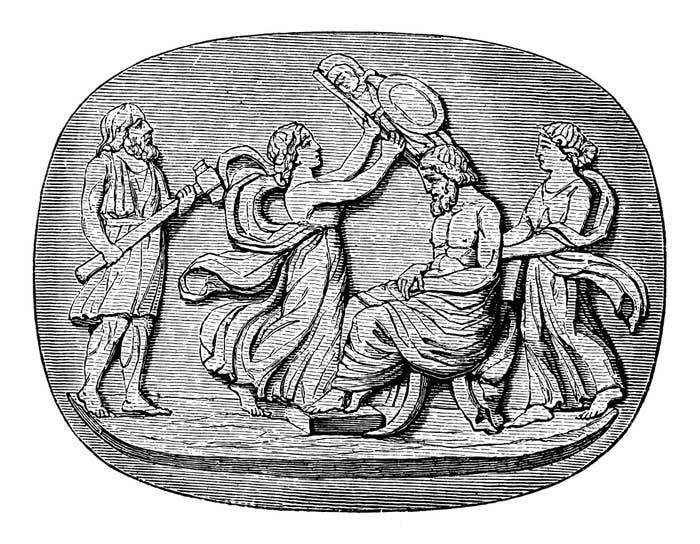
Yup, you heard that right. And her father wasn't just any god — he was the king of the gods...Zeus. The myth goes that there was a prophecy that Zeus's child would overthrow his throne. So, in order to protect his reign of Mount Olympus, Zeus decided...TO EAT HIS PREGNANT WIFE! I guess he figured...no pregnant wife, no baby, no problem...and hey, I'm hungry.
Nastasic / Getty Images
So he swallowed his wife, Metis, and called it a day. Then Zeus got an agonizing headache. Not a stomachache...a headache. Make that make sense. So he called up his friend, Hephaestus, to strike his head. ('Cause that helps a headache...yes?) And through the crack, Zeus's daughter Athena burst from his skull, fully grown and wearing armour. Honestly, what an entrance. That would only make me even more scared that my kid would overthrow me.
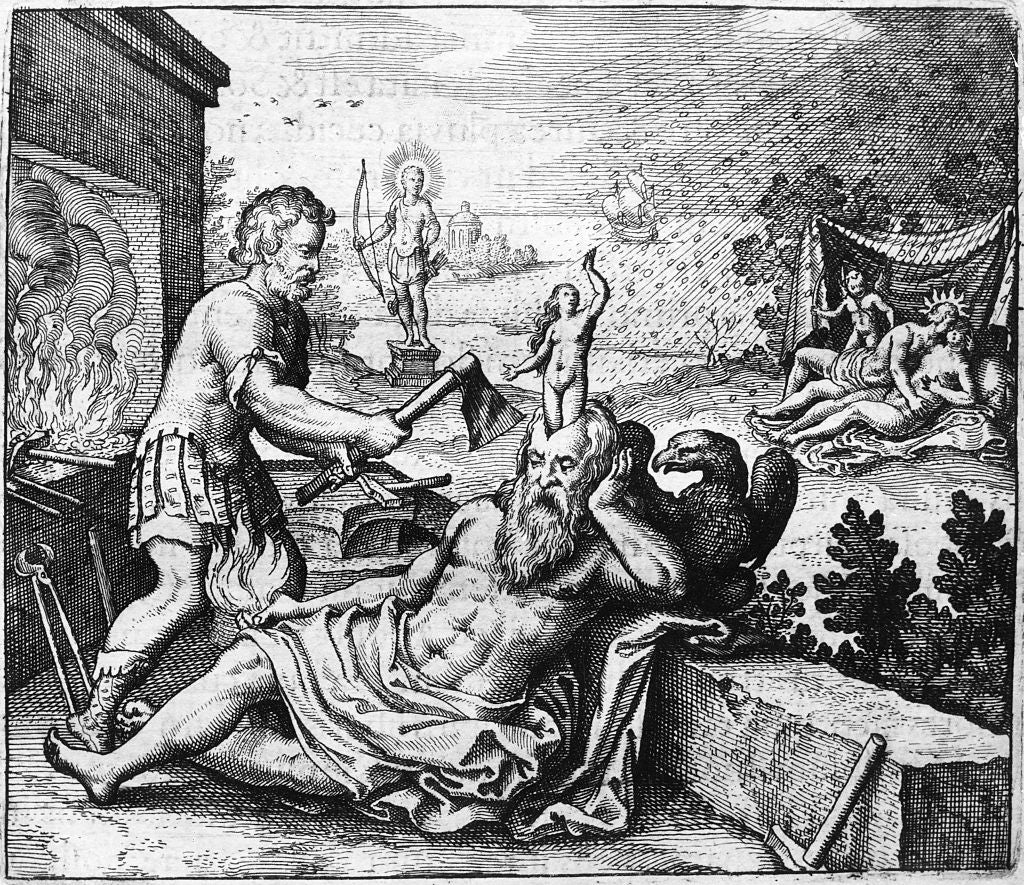
Photo 12 / Universal Images Group via Getty Images
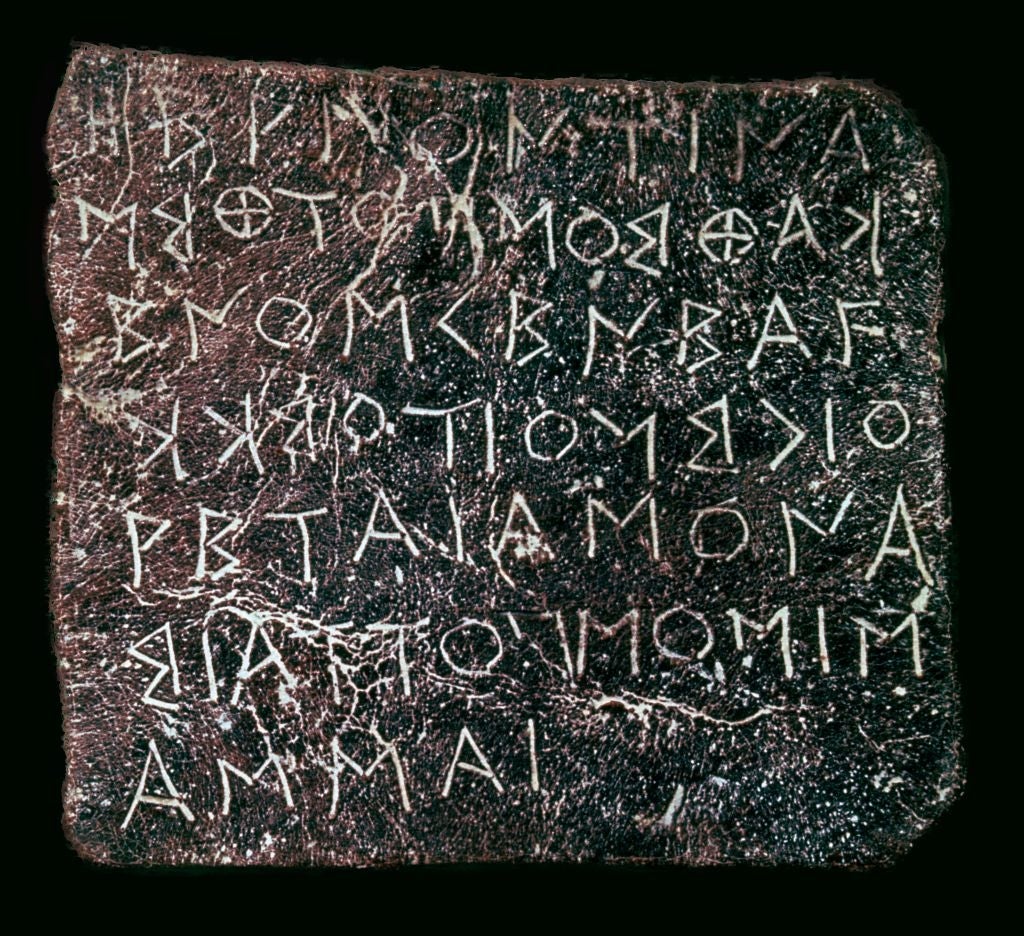
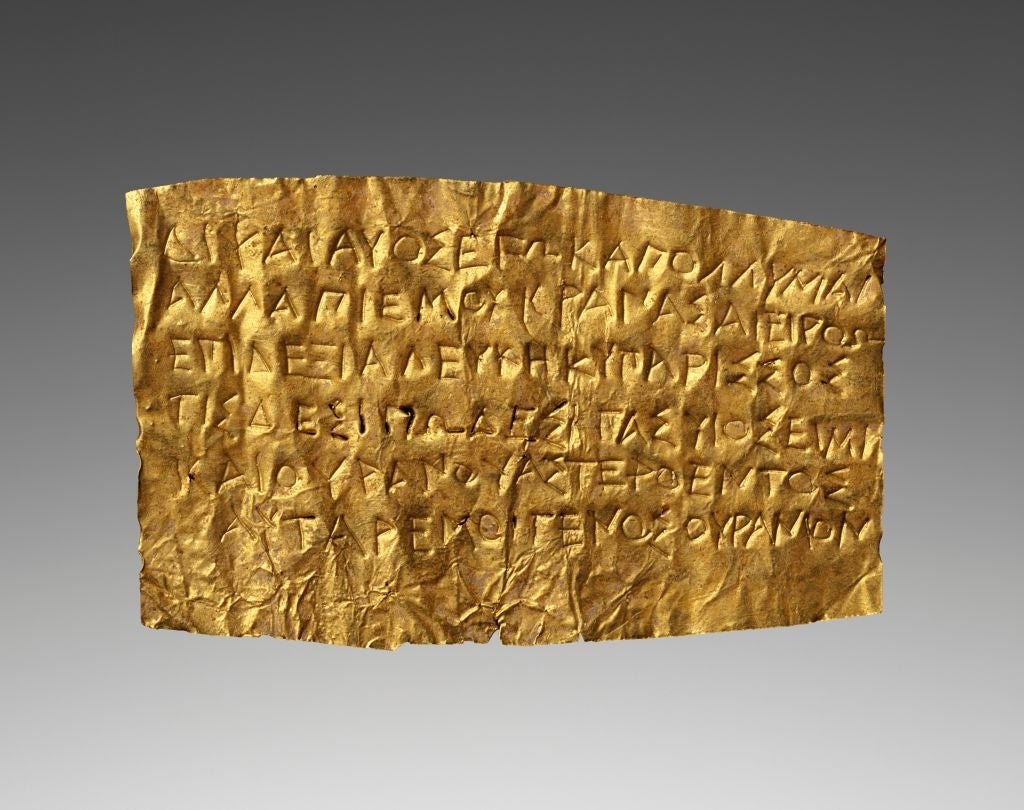
2. The ancient Greeks used a "curse tablet" system to get revenge
This is how it worked. People would write all their dirty, rotten hopes for their enemies on a thin sheet of lead. Think of it as a spell or a bad wish, but with a paper trail. Or...not a paper trail...a lead trail?
Print Collector / Getty Images
Then they'd fold it up and bury it in graves or deep wells. Why, you ask? Well, because they believed graves and wells were pathways to the Underworld. If you wanted the gods below to punish your enemies, you had to make sure your curse was properly delivered...and then hope they'd get back to you within 3–5 business days.
Heritage Images / Getty Images
3. A famous Greek philosopher reportedly lived in a barrel
I know the housing crisis right now is pretty dire, but imagine living in a barrel. And even worse...doing it by choice. Yeah, the famous Greek philosopher Diogenes of Sinope made that choice. He was known for rejecting wealth and social conventions. And rejecting social conventions is putting it lightly. He didn't just live in a barrel.
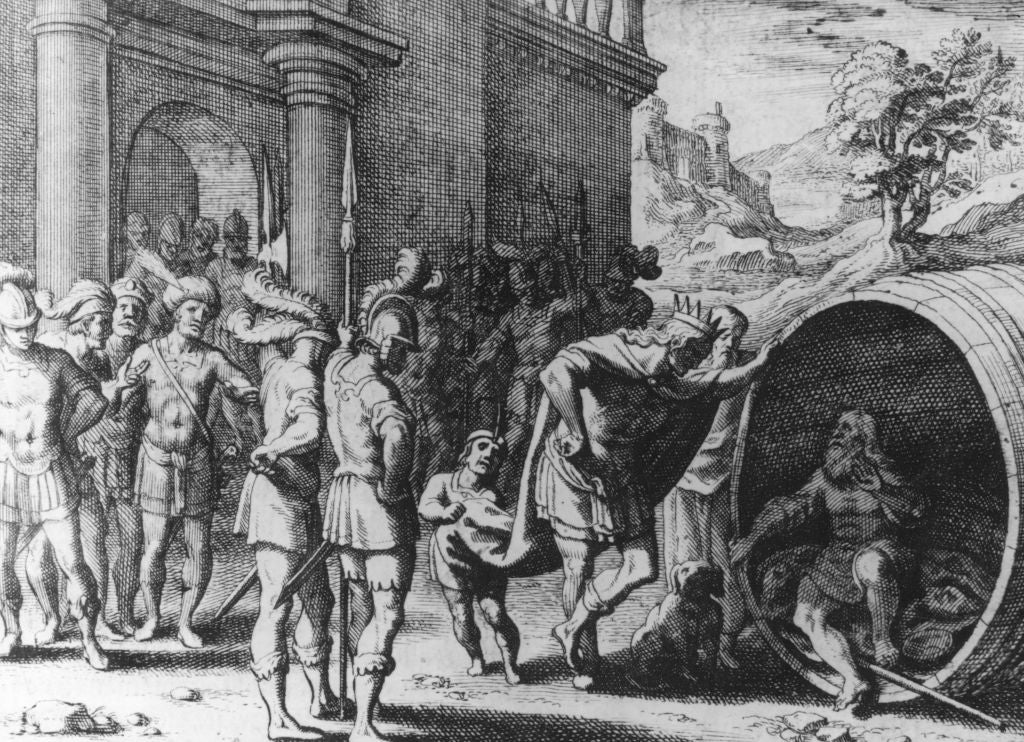
Hulton Archive / Getty Images
He also reportedly masturbated in public and walked barefoot through the snow...all because he believed people should live in complete accordance with nature. Or maybe he just didn't have a shoe rack or a door for privacy in his barrel home.
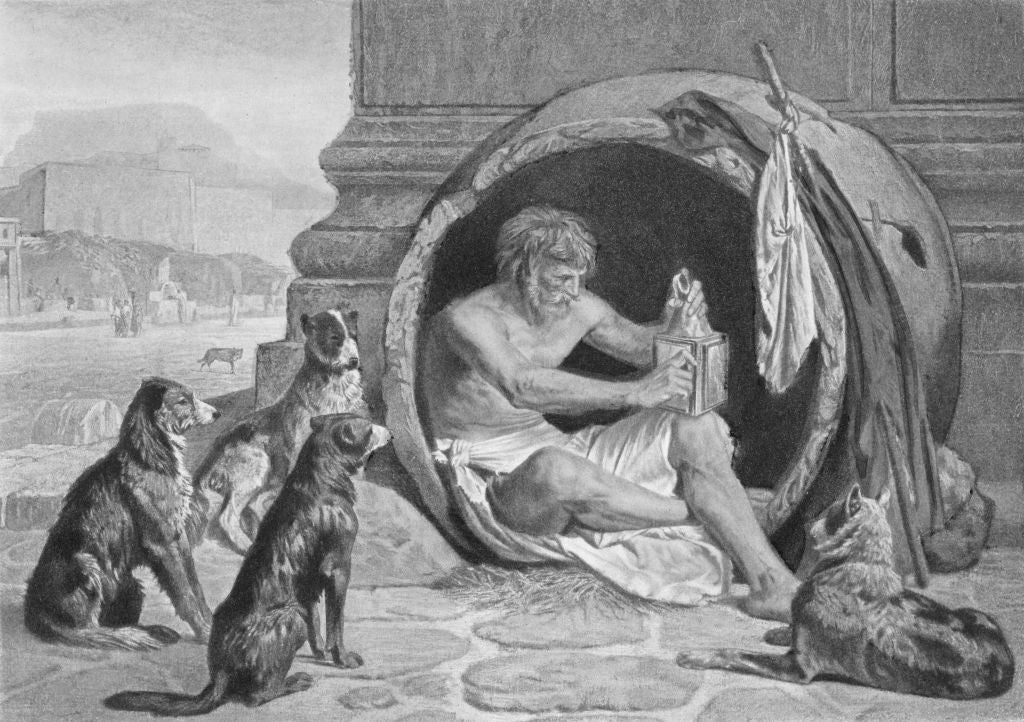
Kean Collection / Getty Images
4. Ancient Greek soldiers sometimes fought naked...but atheletically
No, I'm not talking about battles. They'd obviously need their armour for that. I'm talking physical training camps where athleticism was practiced...completely NAKED. In fact, that's actually where gymnastics got its name. Let me explain...
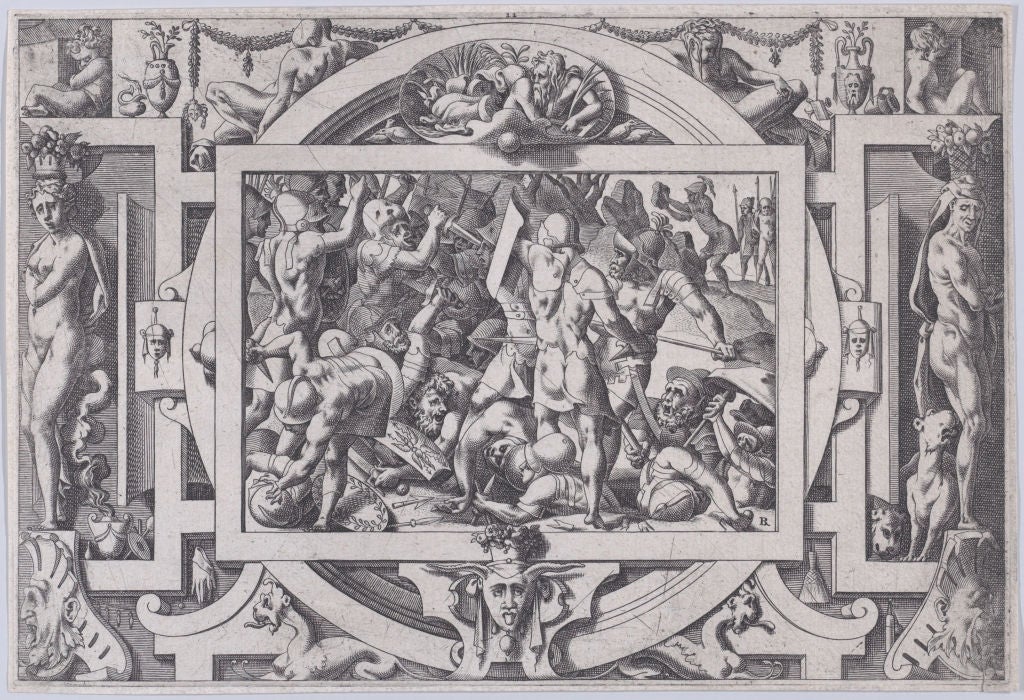
Heritage Images / Getty Images
The Greek word gymnazein means "to exercise naked." And thus, gymnastics was born. Physical training camps in Ancient Greece included activities like tumbling, rope climbing, running, and wrestling. And why were they naked? Well, it was a way to strip away (literally) social status, be practical (save that gym-uniform money), and honour the gods. Honestly, I wouldn't be able to run, let alone do anything else, without a sports bra, so props to letting it all hang loose.
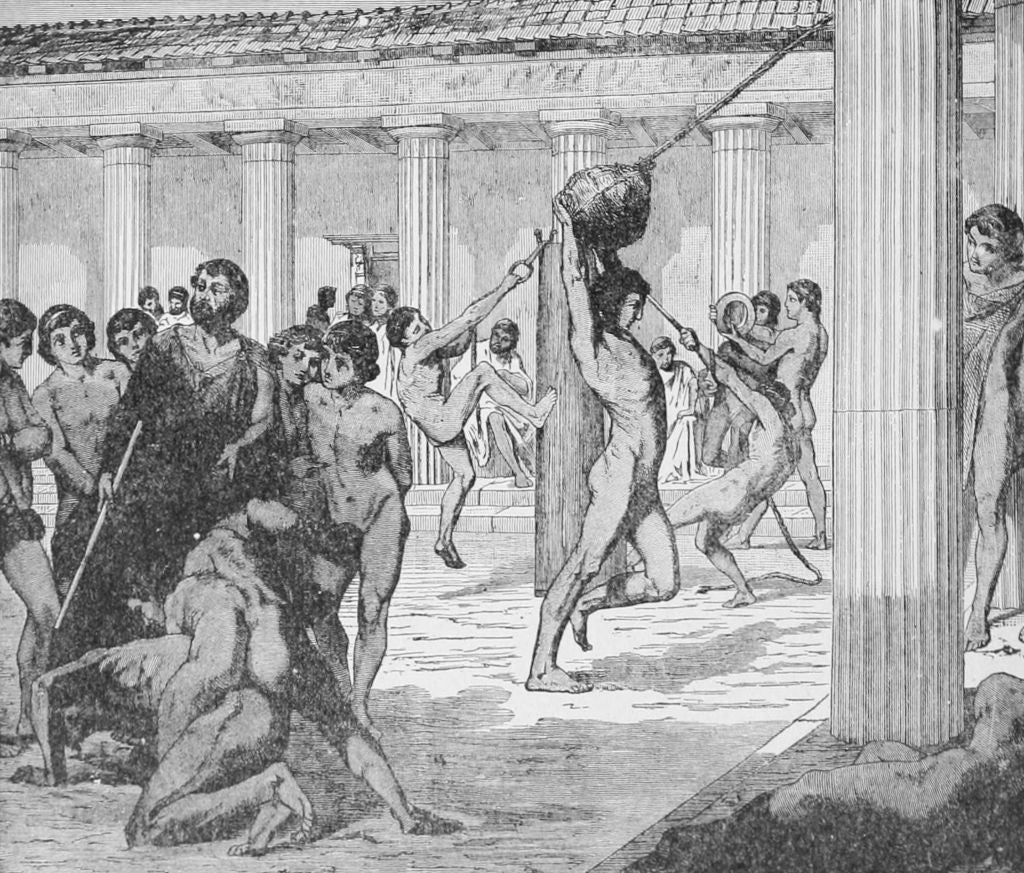
Smith Collection / Getty Images
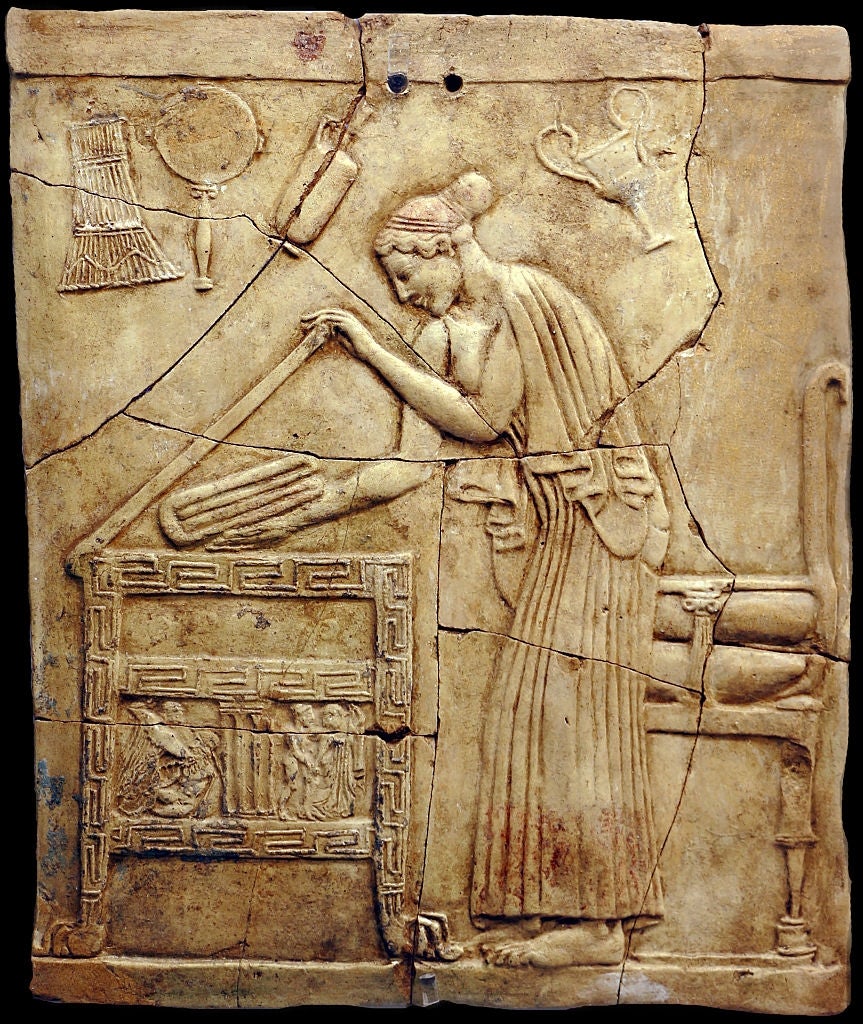
5. Ancient Greeks used URINE to clean clothes
If you think back to your high school chemistry class, urine contains a chemical called ammonia. And supposedly, ammonia is a pretty good stain remover. As a pet owner, I honestly thought pee caused stains, but I guess it magically gets rid of them, too? I'll tell you how...
Heritage Images / Getty Images
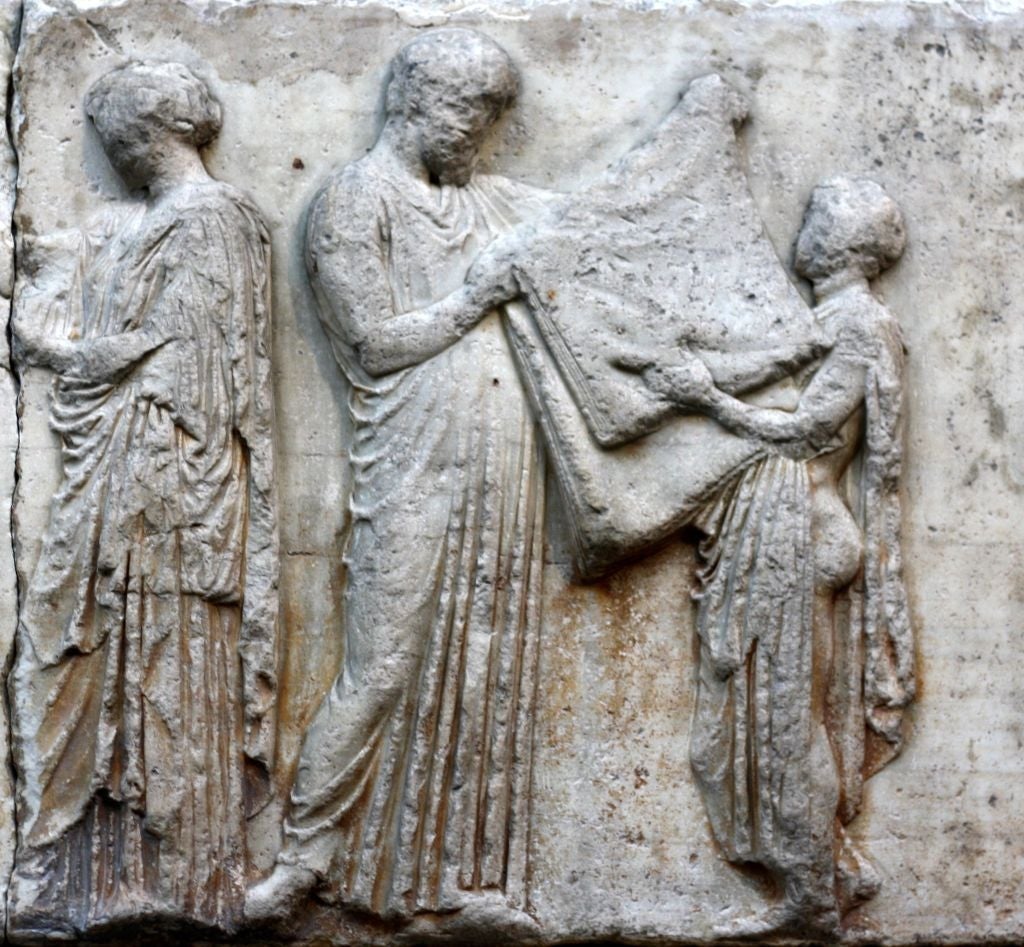
Professional launderers in Ancient Greece were called fullers, and they used similar cleaning methods to those of the Ancient Romans. They'd leave jars on street corners for people to make generous "donations" of urine, which the fullers would collect later. Then they'd let the urine sit until it broke down into ammonia, which cuts through grease, sweat, and stains. They'd mix the ammonia with water for the first stage of washing, then rinse the clothes thoroughly to remove the pee smell before hanging them out to dry. Honestly, I'm so grateful for en-suite laundry and my laundry detergent that smells like rain.
Universal History Archive / Getty Images
6. No one is more petty than a Greek god
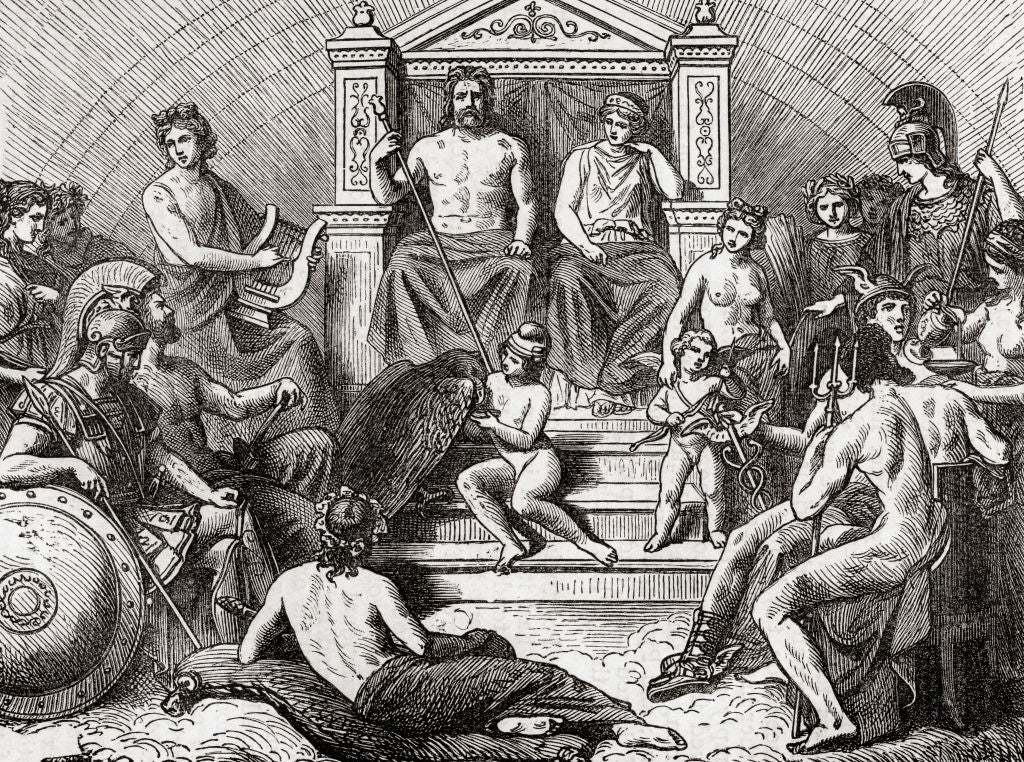
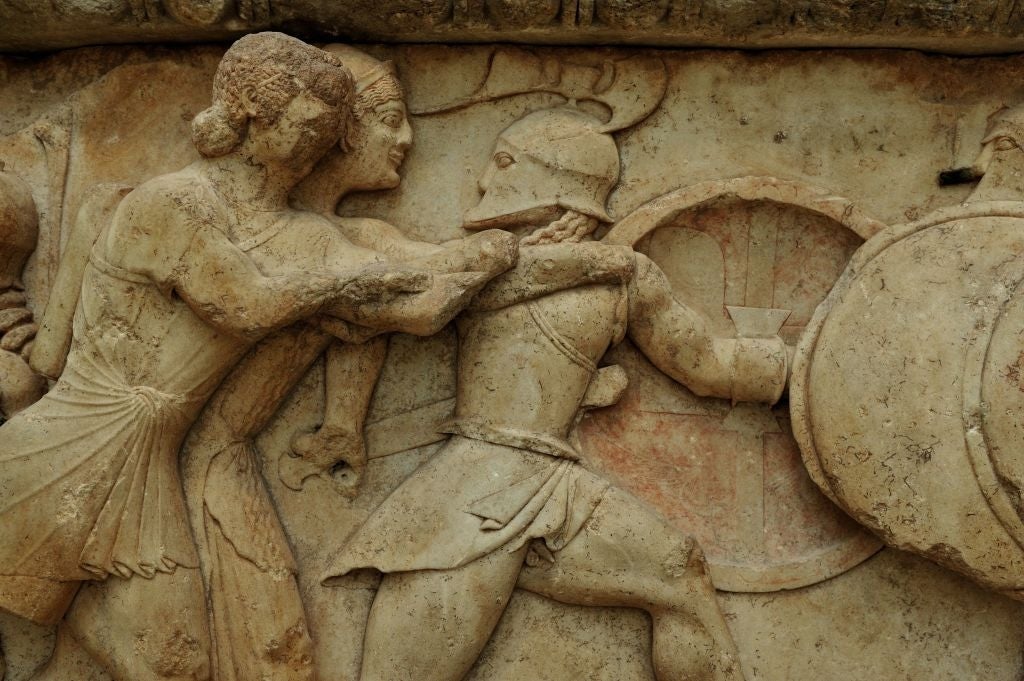
You think your toxic ex is petty? Think again. Because the ancient Greek gods have them beat. They cursed people over everything...from refusing marriage proposals to accidentally seeing them naked. (Sometimes nudity honoured them, sometimes it offended them. They were so inconsistent!) Divine tantrums were basically a daily occurrence, and you just walked around praying to them, hoping you wouldn't piss them off.
Design Pics Editorial / Universal Images Group / Getty Images
They would unleash the most dramatic acts of vengeance if they felt unappreciated, had unrequited love, became jealous, or were just straight-up bored. There are too many stories to share, so here are just a few.
DEA / ALBERT CEOLAN / De Agostini / Getty Images
7. Ancient Greeks had professional mourners
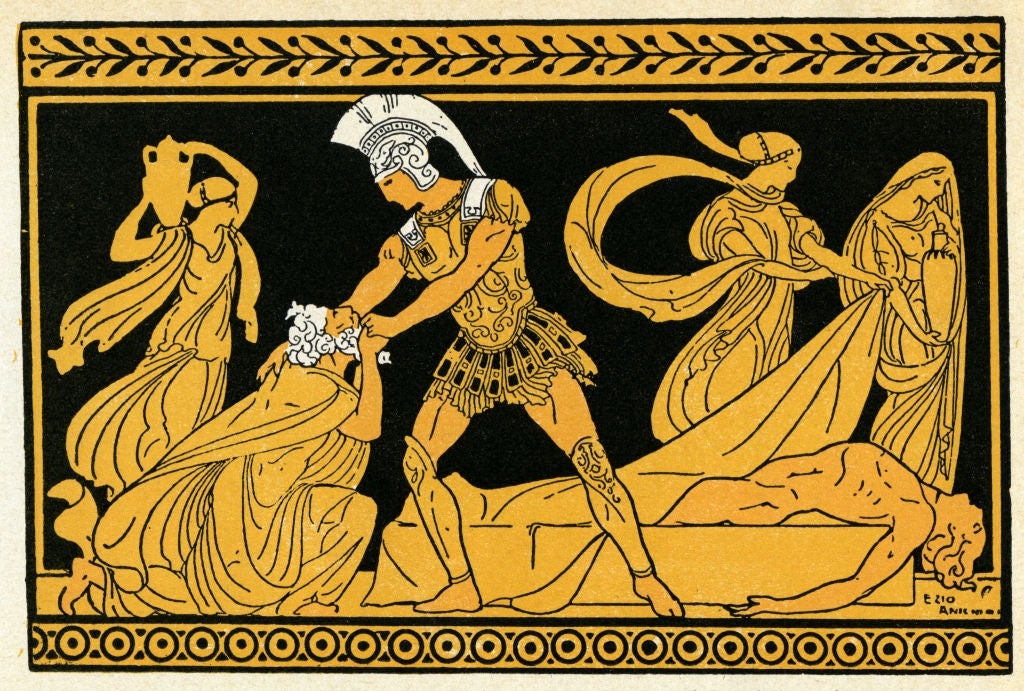
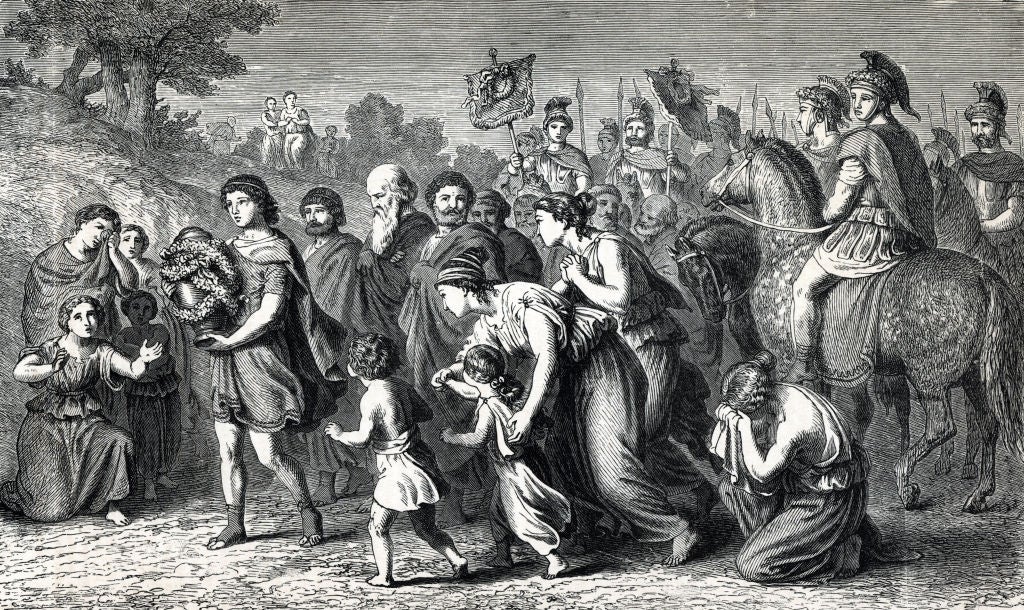
Honestly, if someone would pay me to wail in public, I'd be applying for that job tomorrow! But yes, in Ancient Greece, some families would hire women to cry, sing, and dramatically grieve at funerals to honour the dead.
Fototeca Storica Nazionale. / Getty Images
These women were seen as ritual experts, and their chanting, wailing, and over-the-top cries served as an announcement to the Underworld that a soul was on the way. It was basically an alarm clock for the gods: "Wake up! A soul is incoming! Look alive!" (Juxtaposition intended!)
Culture Club / Bridgeman via Getty Images
8. Athens once voted to exile people they didn't like
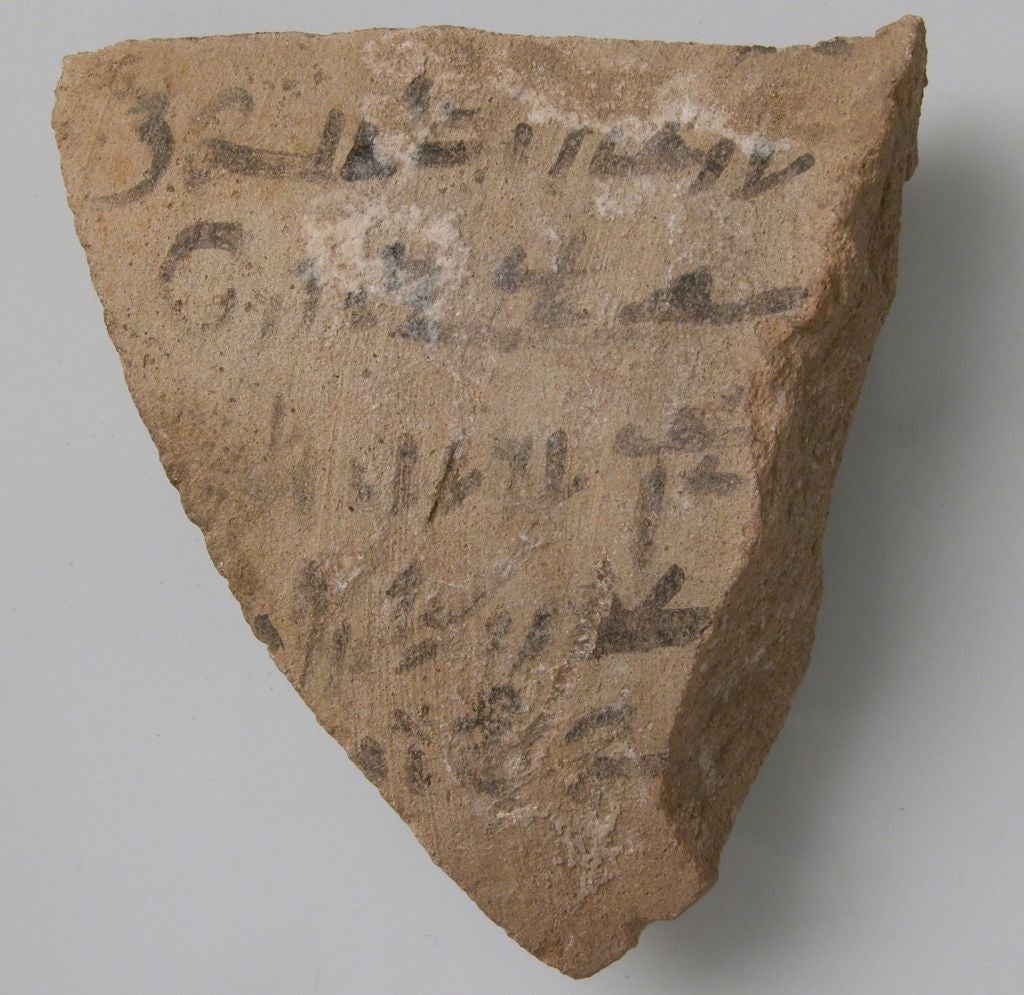
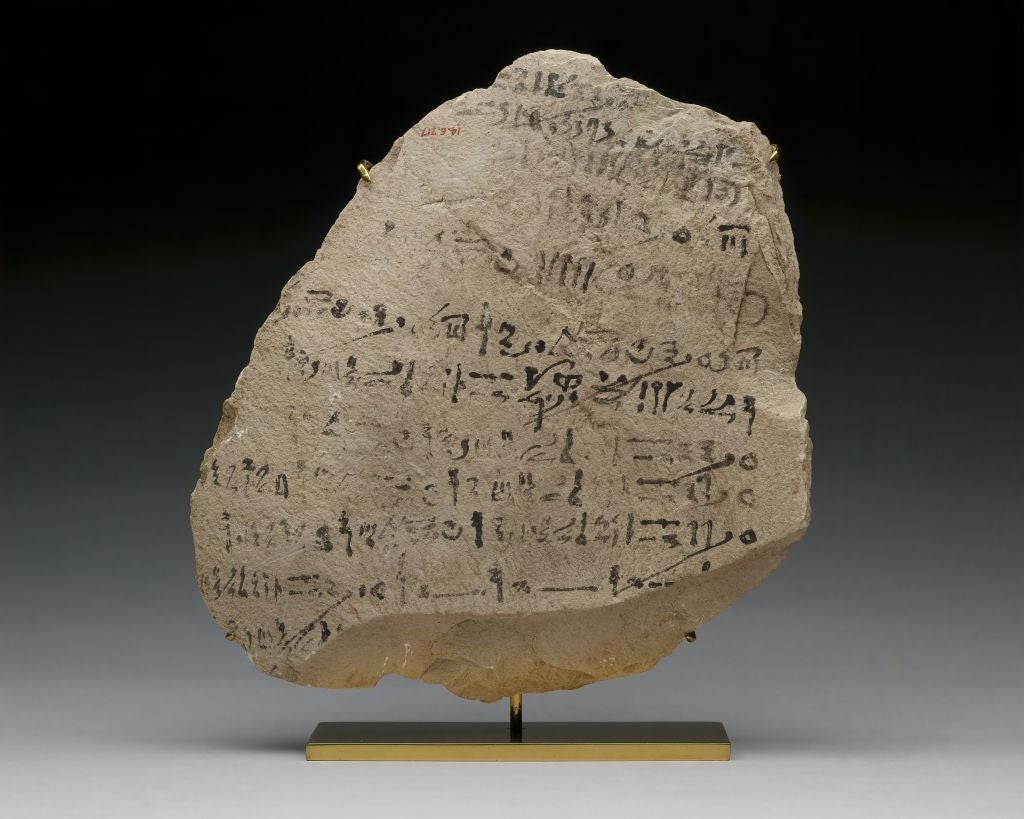
Maybe this is where Survivor was born, because it's a pretty similar premise: write down who you want off the island, get enough votes, and bye-bye. Well, in Ancient Greece, it was essentially the same thing. It was called ostracism. Citizens wrote political names on pottery shards, and if someone received enough votes, they would be banished for 10 years.
Sepia Times / Universal Images Group / Getty Images
The banished person would still be able to keep their property and assets. They simply had to leave for a decade. Once enough votes were counted, they had 10 days to get out of Athens. And then next winter, the city would do the process all over again.
Sepia Times / Universal Images Group / Getty Images
9. The gods of sleep and death were brothers
Hypnos was the god of sleep, and Thanatos was the god of death. And yes, they were siblings. And they weren't just brothers...they were TWIN brothers. Something interesting is that ancient writers often compared sleep to a temporary form of death. You know...keep it in the family.
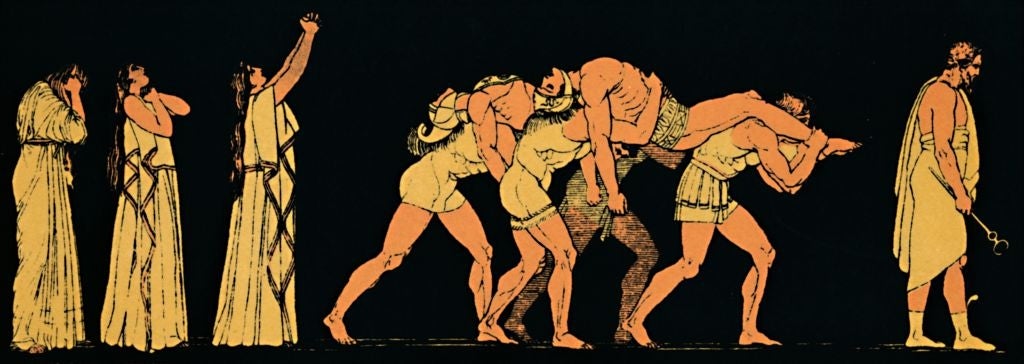
Print Collector / Getty Images
The two gods were meant to mirror the similarities between the rest found in sleep and the rest found in death. I guess one brother just had commitment issues, while the other was all in.
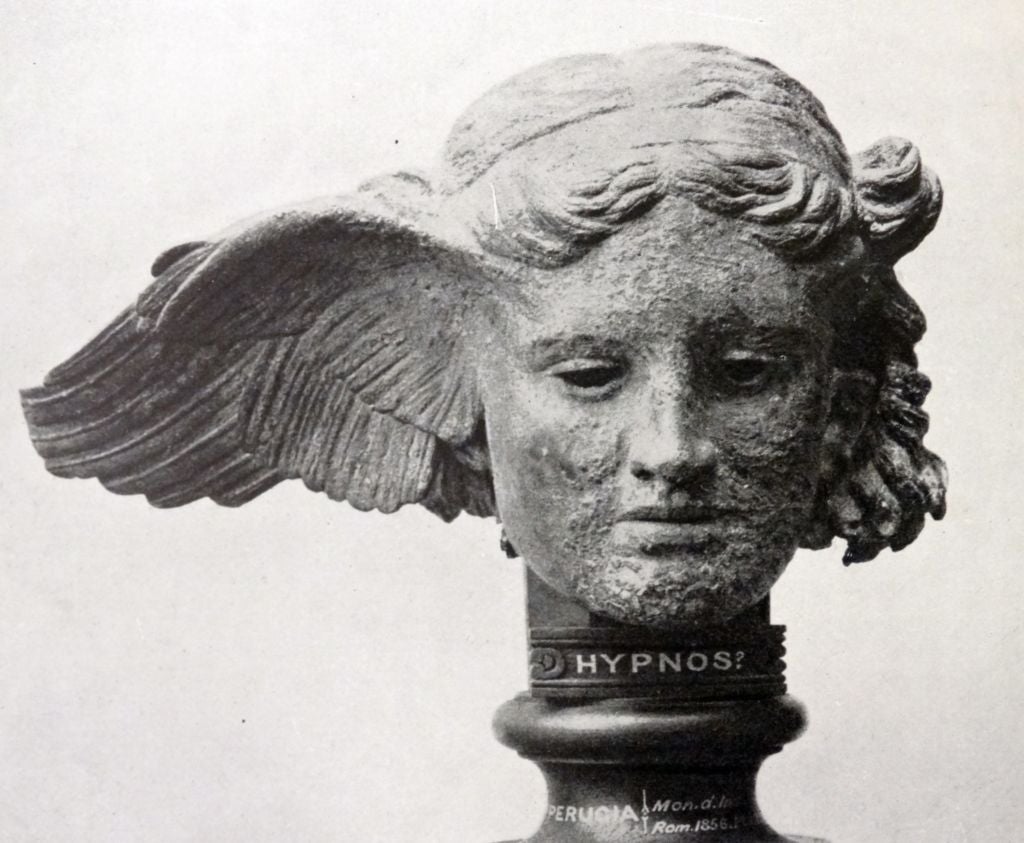
Photo 12 / Universal Images Group / Getty Images
10. Greek statues weren't originally plain white
Being in Toronto, we have tons of churches with green roofs. I thought that was just the style, but the thing is, the tin actually just turns green over time due to weathering. Well, the same thing happened with Greek statues.
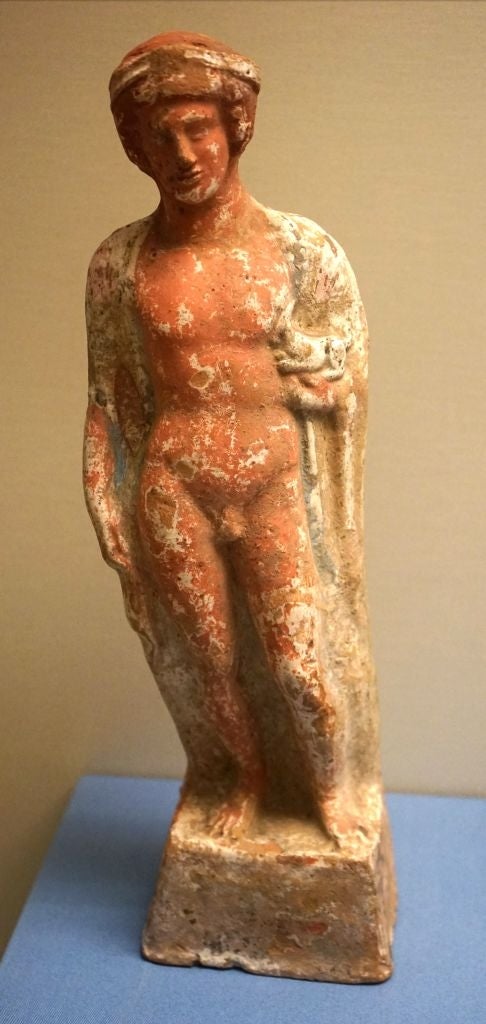
Photo 12 / Universal Images Group / Getty Images
They were originally painted in bright colours, but over thousands of years, the paint faded and fell off. Eventually, all that was left was the smooth white marble underneath.
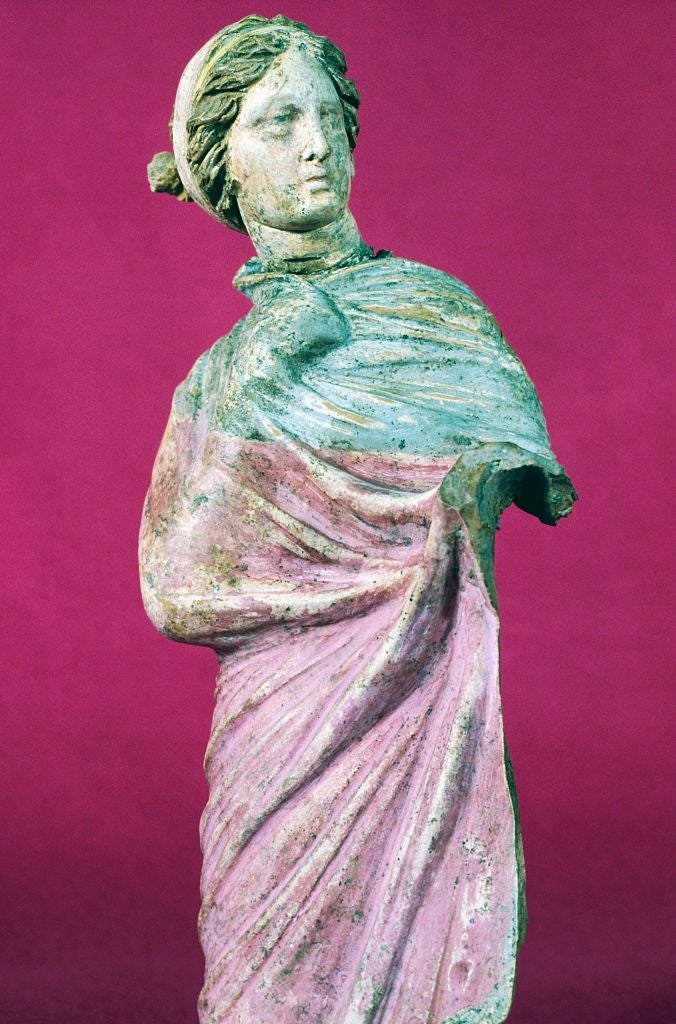
DEA / ARCHIVIO J. LANGE / De Agostini / Getty Images
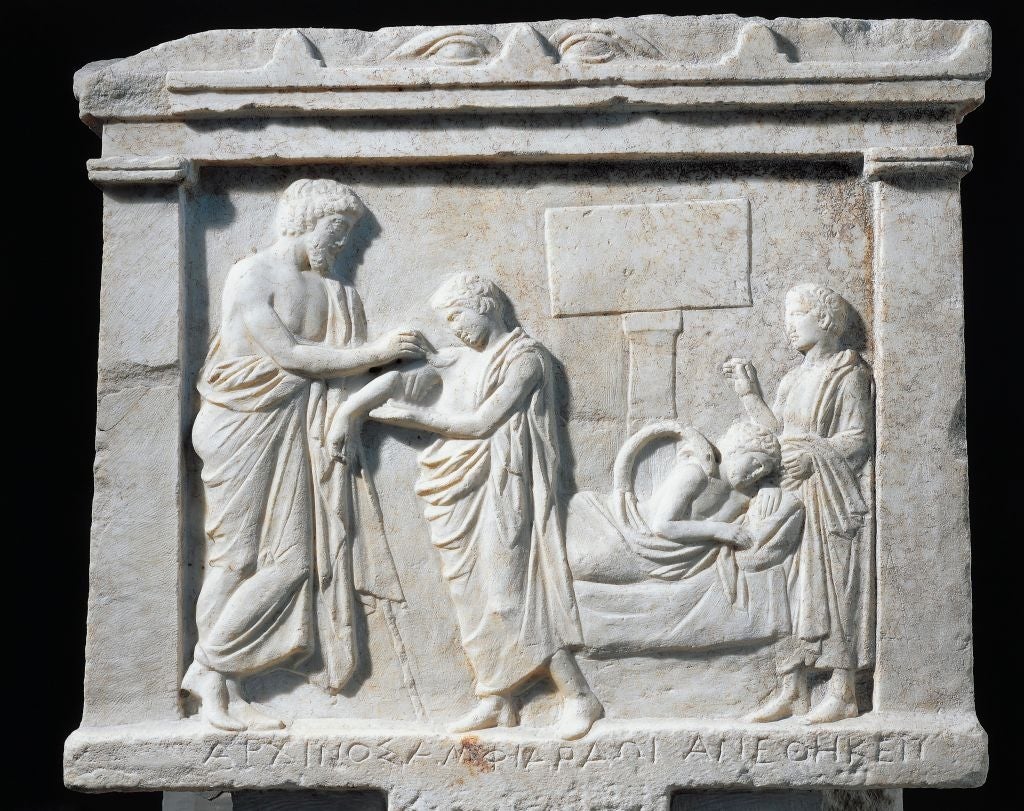
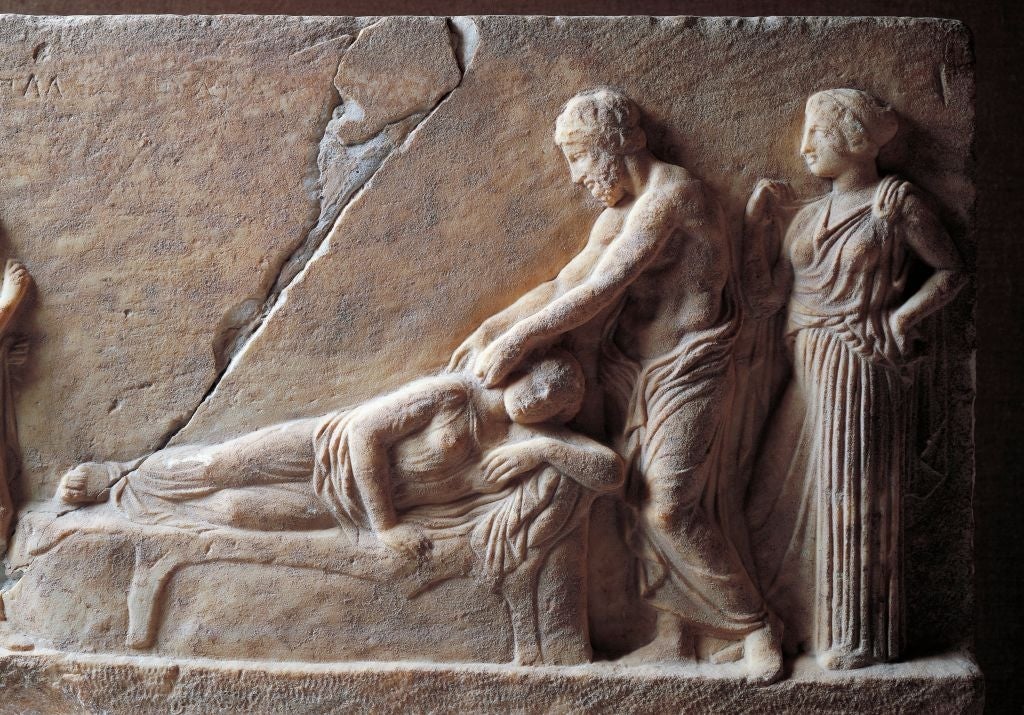
11. Ancient Greek doctors had some...peculiar methods
Now you just pop a pill, but back in ancient times, some medical remedies included ingredients like crushed insects, animal fat, herbs, and even more questionable items.
DEA PICTURE LIBRARY / De Agostini / Getty Images
The wildest one for me is their use of bloodletting. The Greeks believed illness came from an imbalance of four basic humours: blood, phlegm, black bile, and yellow bile. Bloodletting was meant to restore that balance and bring healing. It involved cutting a vein or using leeches to drain blood from patients until the balance was supposedly restored. Yeah, not for me. I'll keep my blood to myself, thank you.
DEA / G. NIMATALLAH / De Agostini / Getty Images









 English (US)