
 International
  Politics
  Local
Local  Finance
  Sports
  Entertainment
  Lifestyle
  Technology
  Literature
  Science
  Health
  8 hours ago
3
8 hours ago
3
1. In the '80s, Freddie Mercury dressed Princess Diana up as a guy and snuck her into a gay bar. According to actor Cleo Rocos, who befriended Princess Diana in the '80s, she and Diana were hanging out at the home of comedian Kenny Everett, along with Mercury. At some point, Diana asked everyone what they were doing later that night, to which Rocos, Everett, and Mercury said they had plans to go down to the London gay bar Royal Vauxhall Tavern.
Phil Dent / Redferns, Tim Graham / Tim Graham Photo Library via Getty Images
Diana asked them if she could join them. Rocos, Everett, and Mercury initially hesitated because they were concerned about what could happen if the press found out the then-future queen of England was partying at a gay bar. Mercury gave in and reportedly said, "Go on, let the girl have some fun," and dressed her up in an army jacket, aviator sunglasses, and a leather cap (the clothes Everett had planned to wear out that night). They were able to sneak her into the club, and nobody noticed it was her.
Princess Diana Archive / Getty Images, FG/Bauer-Griffin / Getty Images
2. The characters of Shane Hollander and Ilya Rozanov in Heated Rivalry are actually partially inspired by two real-life pro hockey players. Rachel Reid, who wrote the novel of the same name that the show is based on, drew inspiration for the characters of Hollander and Rozanov from the real-life hockey rivalry between NHL players Sidney Crosby and Alexander Ovechkin.
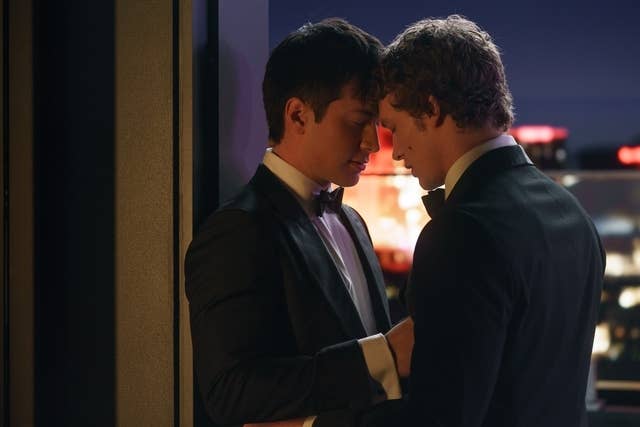
Sabrina Lantos/HBO Max
The intense competition between Crosby and Ovechkin gave her a foundation for imagining the fierce on‑ice clash between her two leads. FTR, the two players were not lovers. Though Reid has stressed that while the two professional players inspired certain traits and the rival dynamic, Hollander and Rozanov are original creations crafted to serve the story's enemies‑to‑lovers romance.
Joosep Martinson / World Cup of Hockey via Getty Images, Gregory Shamus / Getty Images
3. The origin of the phrase "Friend of Dorothy" is surprisingly unclear, and there are several theories about which Dorothy inspired the famous piece of LGBTQ+ coded language. The expression became widely used by gay men in the mid-20th century as a discreet way to identify one another during a time when being openly gay could lead to discrimination, arrest, or social ostracism. The most commonly accepted explanation links the phrase to Dorothy Gale from The Wizard of Oz and to Judy Garland, whose status as a gay icon made the connection especially meaningful within LGBTQ+ community.

Everett Collection
However, some historians believe the reference may have originated with Dorothy from L. Frank Baum's original Oz books, where her kindness, acceptance of outsiders, and creation of a chosen family resonated with many readers. Others have suggested that the phrase could have referred to writer Dorothy Parker, whose sharp wit and friendships with gay men made her a well-known figure in the era's social circles. Researchers have also noted that the expression may have developed through multiple influences rather than coming from a single source.
Culture Club / Bridgeman via Getty Images, Hulton Archive / Getty Images
4. It was filming Harriet the Spy that led Rosie O'Donnell to create The Rosie O'Donnell Show. The film was shot in Toronto and had long hours. At the end of the shooting days, O'Donnell noticed that her infant son, Parker, was more attached to their housekeeper. This made her realize she needed a New York–based job with shorter hours in order to spend more time with him.
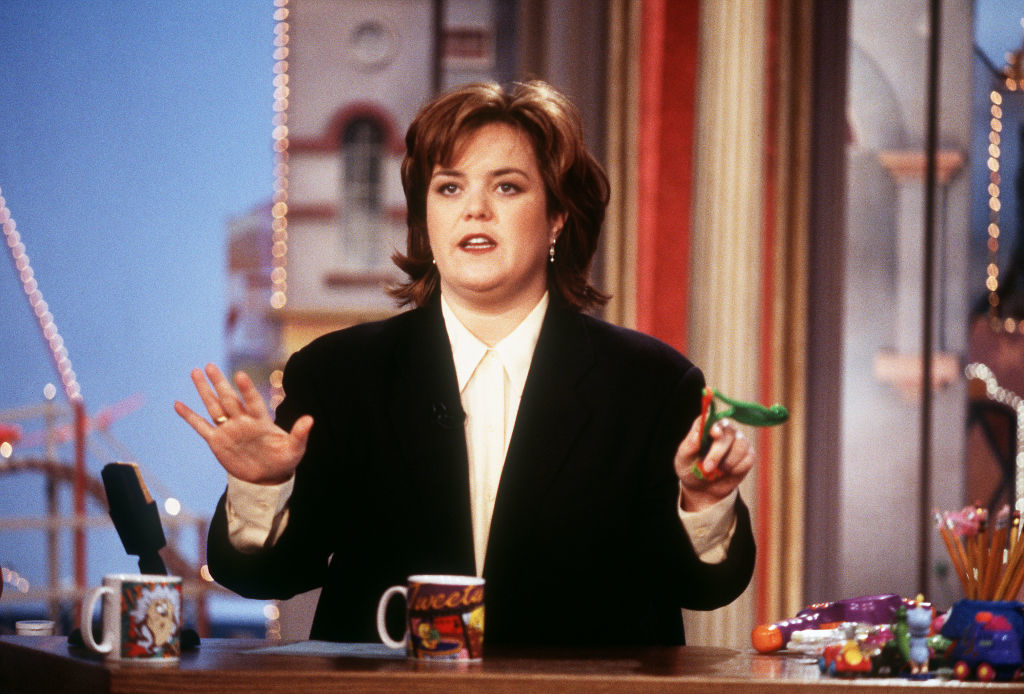
Frank Micelotta Archive / Getty Images
So O'Donnell came up with the idea of doing a daytime talk show as the solution, which would give her a more stable schedule than a movie production. As Vulture puts it, it was a "then-radical daytime-television experiment" to do a talk show that was centered on interviewing celebrities and engaging with the live studio audience. But it worked, and the show would go on to change television.
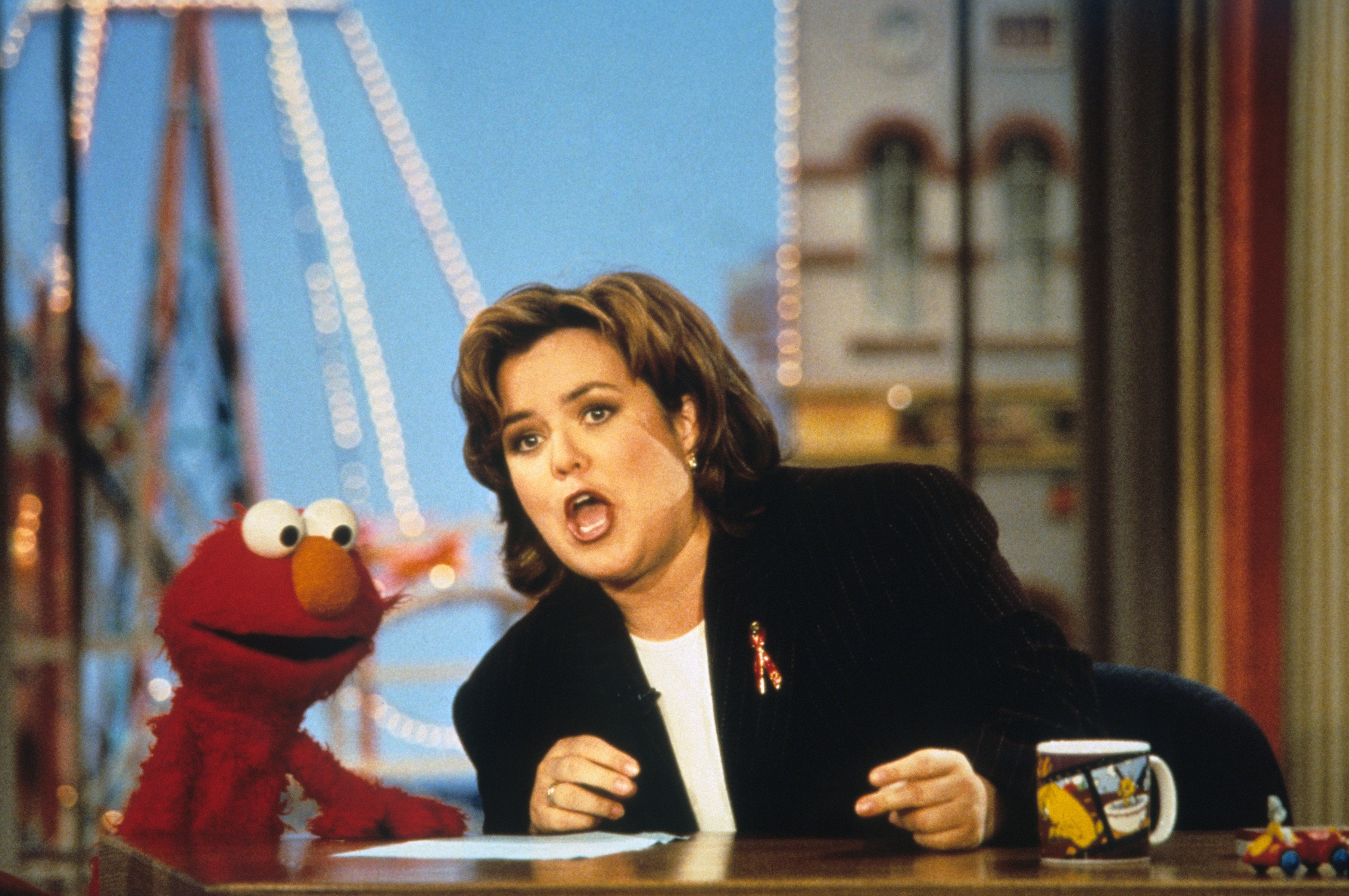
Courtesy Everett Collection
5. In the 1920s and early 1930s, William "Billy" Haines was one of Hollywood's biggest stars, appearing in a string of successful silent films and early talkies for Metro-Goldwyn-Mayer. At a time when studios tightly controlled their actors' personal lives, Haines was openly involved in a same-sex relationship with his longtime partner, Jimmie Shields. MGM executives reportedly pressured him to end the relationship and enter into a marriage that would protect his public image.
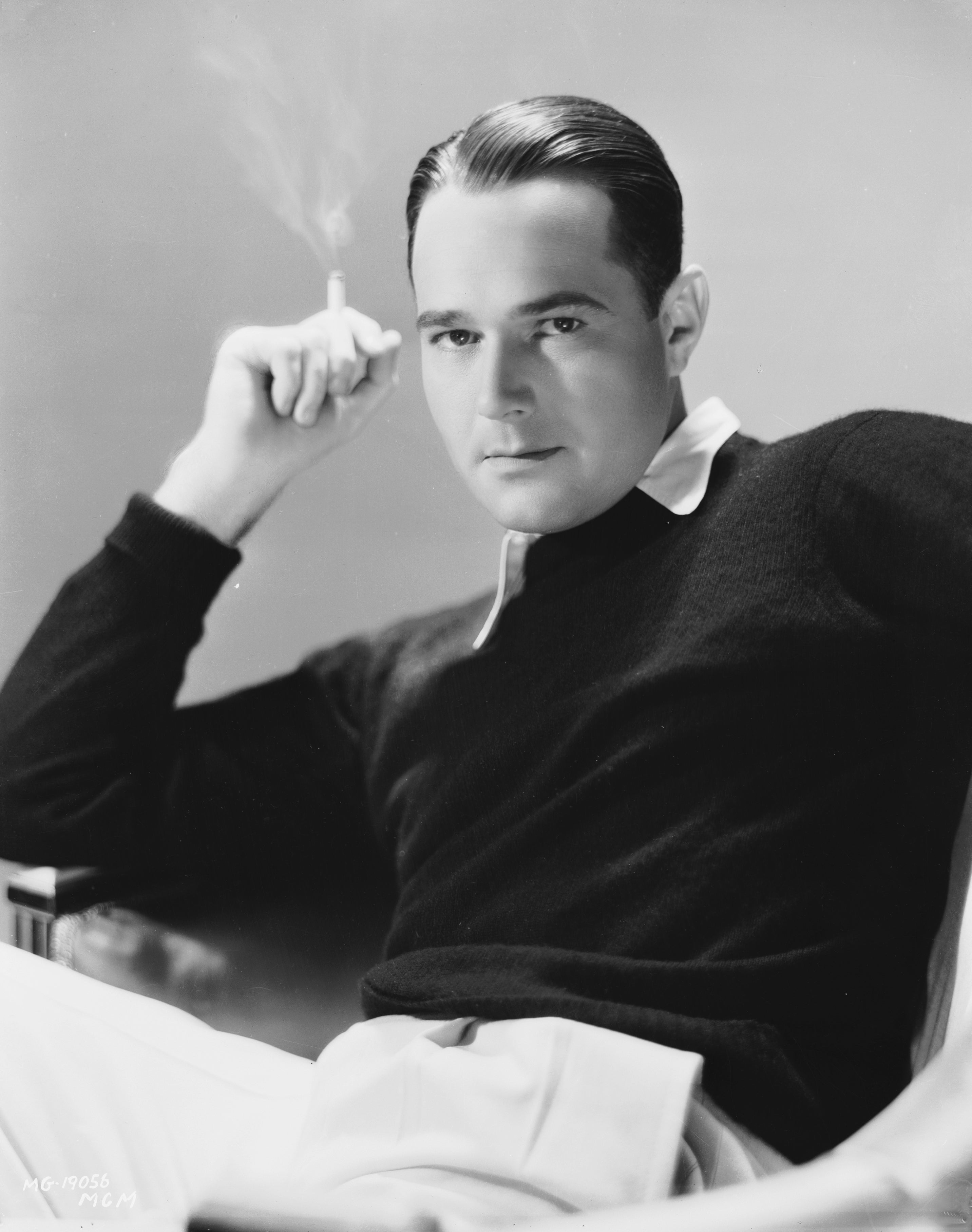
John Kobal Foundation / Getty Images
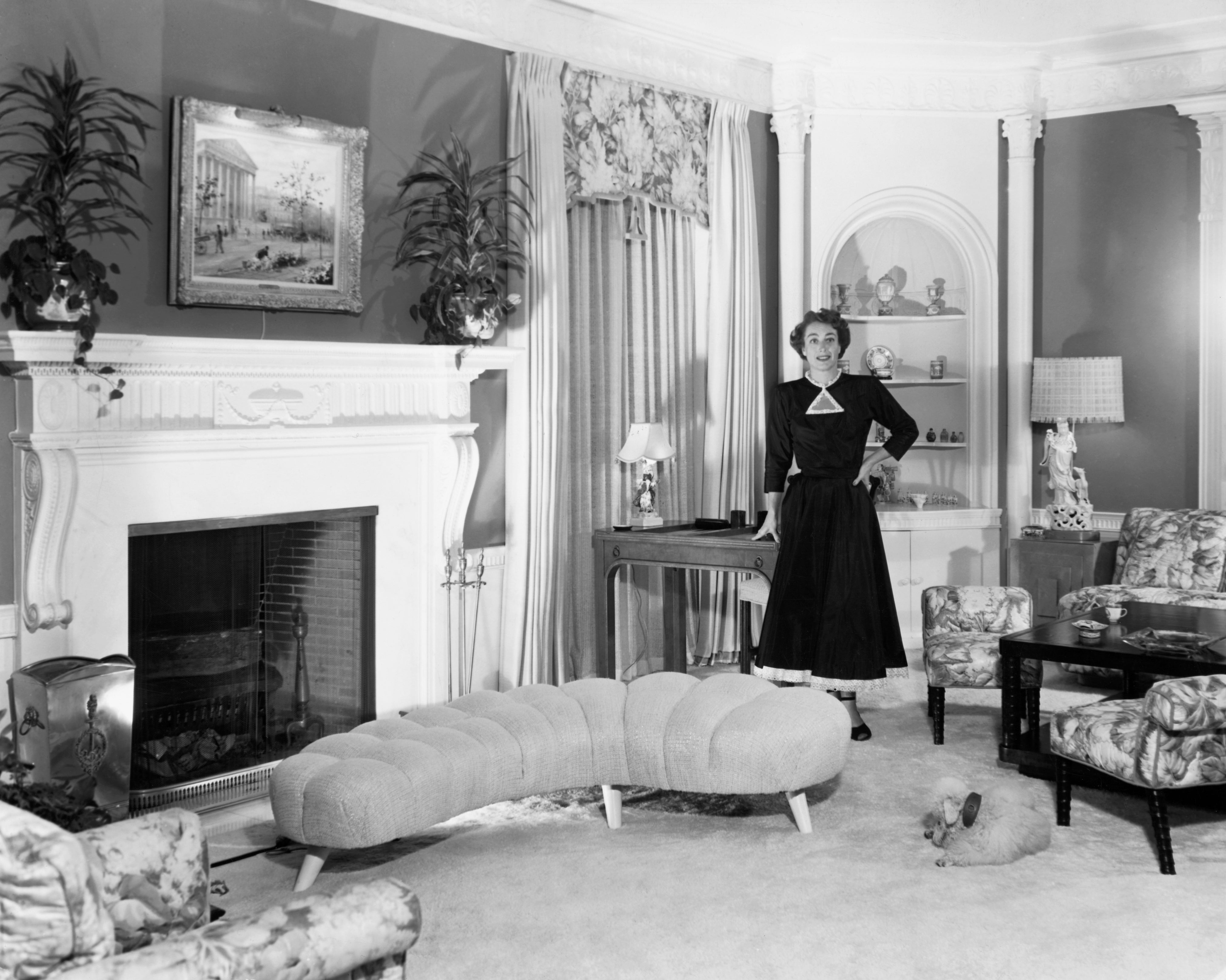
Haines refused, choosing Shields over his movie career despite the risk to his fame and livelihood. As a result, his acting career effectively came to an end while many of his contemporaries remained in the spotlight. Rather than disappear from public life, he reinvented himself as an interior designer and built a highly successful second career. Haines went on to decorate homes for some of Hollywood's most powerful stars, including Joan Crawford, whose living room he decorated, which you can see below. His designs are still available to purchase today.
Bettmann / Bettmann Archive / Getty Images
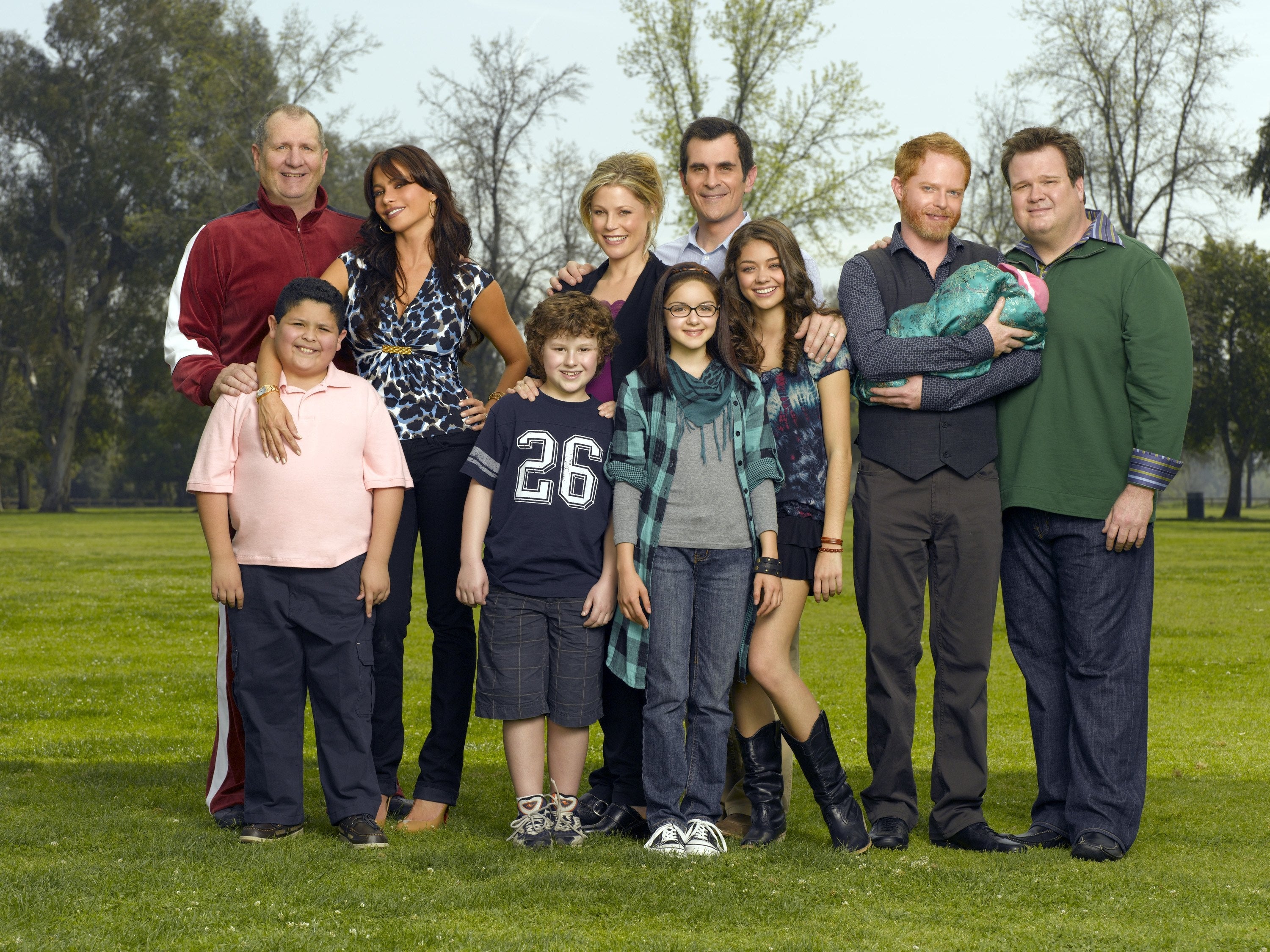
6. When Modern Family premiered in 2009 on ABC, it arrived at a time when American network television was slowly expanding its portrayal of LGBTQ+ characters, making them more central rather than side characters. Of course, one of the show's storylines followed Mitchell Pritchett and Cameron Tucker, a gay couple raising an adopted daughter named Lily. Played by Jesse Tyler Ferguson and Eric Stonestreet, the pair were written as a long-term, committed relationship with everyday domestic struggles.
Bob D'Amico / Disney General Entertainment Content via Getty Images
As the Atlantic noted in 2015, Cam and Mitchell's presence helped place a same-sex relationship inside the familiar structure of a mainstream American family sitcom, which made it easier for broad audiences to relate to them. Instead of focusing on conflict about their identity, the show often treated their relationship as routine, showing them navigating parenting stress, career changes, and extended family dynamics. That normalizing approach mattered because it came just before and during major shifts in US public opinion and legal recognition of same-sex marriage.

Robert Ashcroft / Disney General Entertainment Content via Getty Images
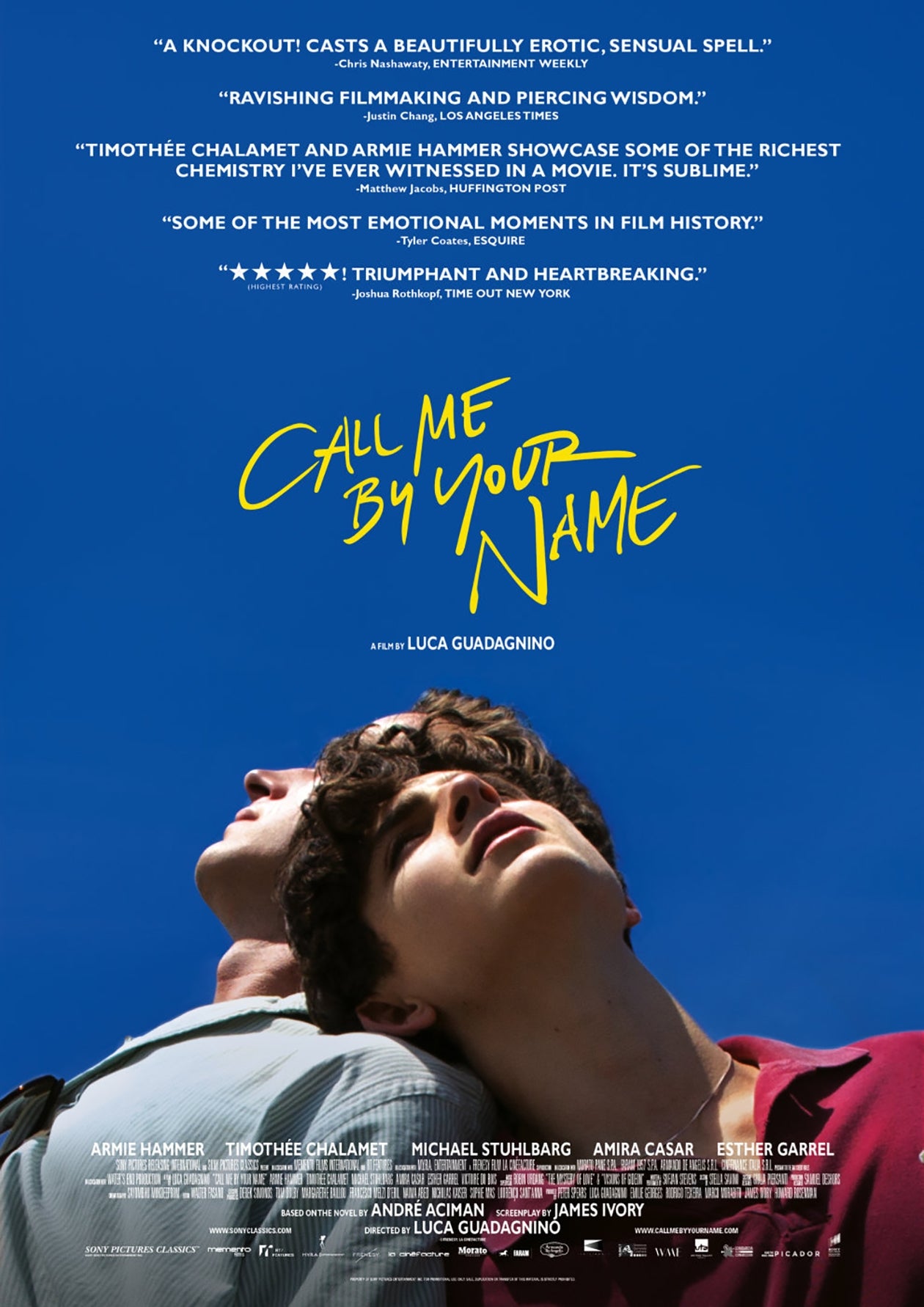
7. Call Me by Your Name wasn't originally imagined as a one-off story, but as the start of a longer series following its characters over time. Director Luca Guadagnino has said in interviews that he wanted to revisit Elio and Oliver at different stages of their lives, with the next film set several years after the events of the first movie. Early plans described the project as part of a trilogy, where each installment would pick up the characters again as they aged, similar in structure to Richard Linklater's Before films.
Sony Pictures Classics /Courtesy Everett Collection
Guadagnino also suggested the follow-up would move beyond Italy and show the characters navigating new places and historical moments, including the HIV/AIDS epidemic, as well as the changing cultural and political landscape of the late 20th century. André Aciman, the author of the book on which the film is based, even wrote a sequel that followed that same storyline. However, for various reasons, including Armie Hammer's controversies, the sequels to the movie are likely never to happen.

©Sony Pictures/Courtesy Everett Collection
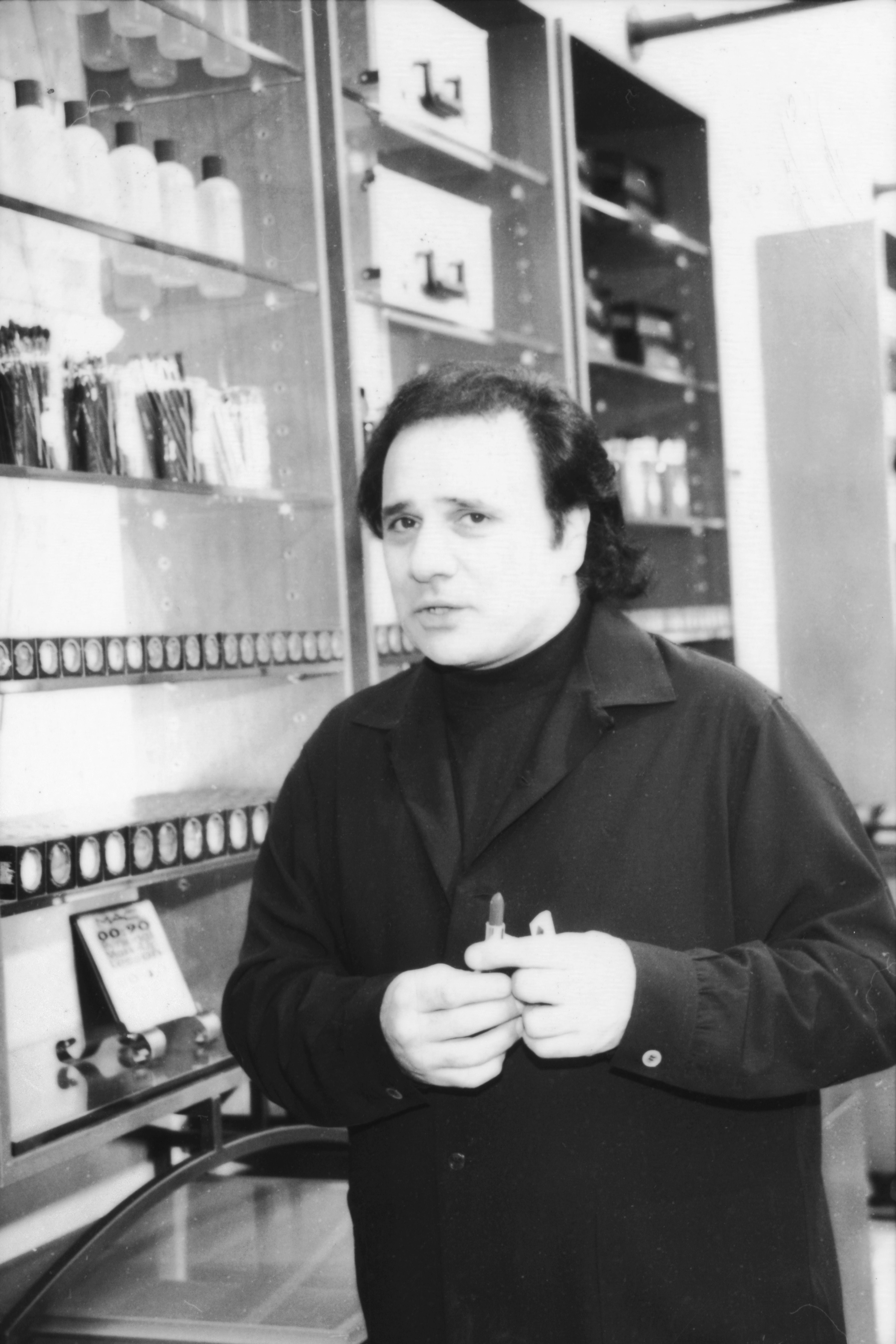
8. MAC Cosmetics was founded in 1984 in Toronto by makeup artist and photographer Frank Toskan (below) and salon owner Frank Angelo, who originally created the brand because they struggled to find cosmetics that photographed well under bright studio lights. The company quickly gained a devoted following among professional makeup artists, fashion insiders, and performers thanks to its bold colors, inclusive philosophy, and strong ties to creative and LGBTQ+ communities.
Fairchild Archive / Penske Media via Getty Images
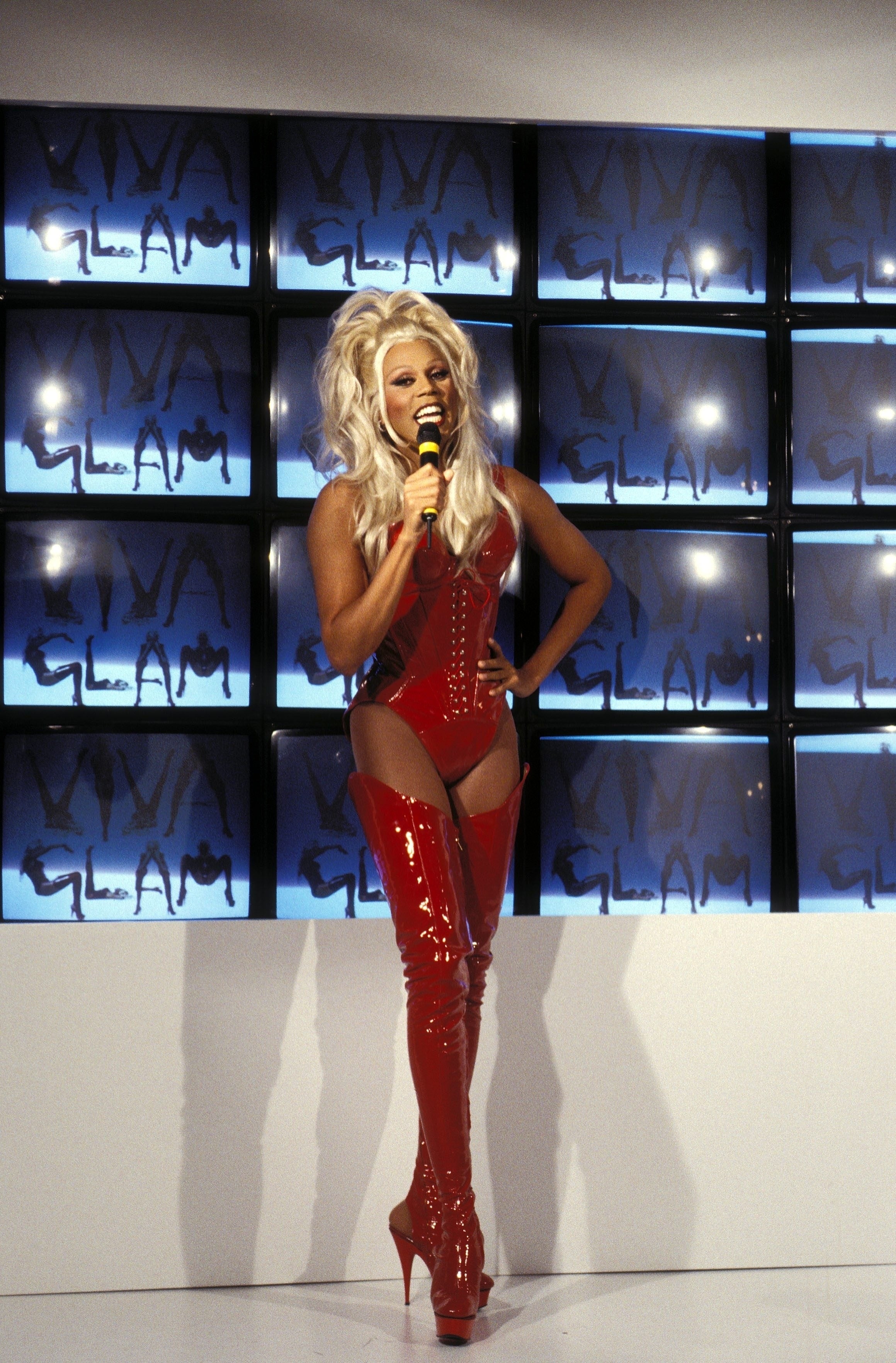
In 1994, as MAC approached its 10th anniversary, Toskan and Angelo launched the MAC AIDS Fund to celebrate the brand's success while also giving back to the communities that had helped it grow. To support the cause, MAC introduced its first Viva Glam lipstick, with a pledge that 100% of the selling price, not just a portion of profits, would be donated to HIV/AIDS services, research, and support programs. The face of the launch was the iconic drag queen RuPaul, whose groundbreaking campaign made her the first drag queen to front a major cosmetics advertisement. At a time when both drag culture and LGBTQ+ representation were far, far less visible in mainstream advertising, RuPaul's involvement helped make the campaign feel bold, culturally significant, and truly trailblazing.
Alexis DUCLOS / Gamma-Rapho via Getty Images
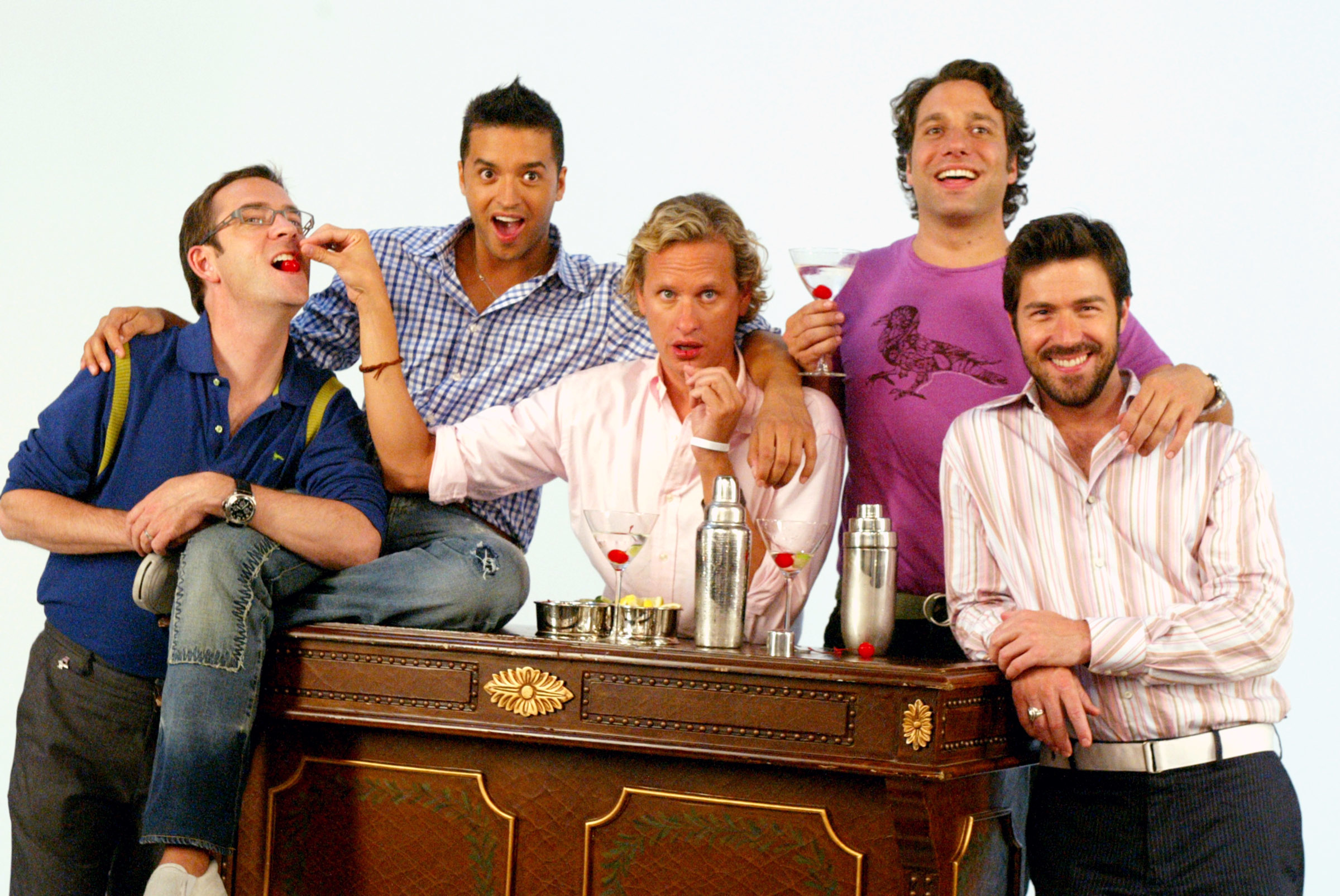
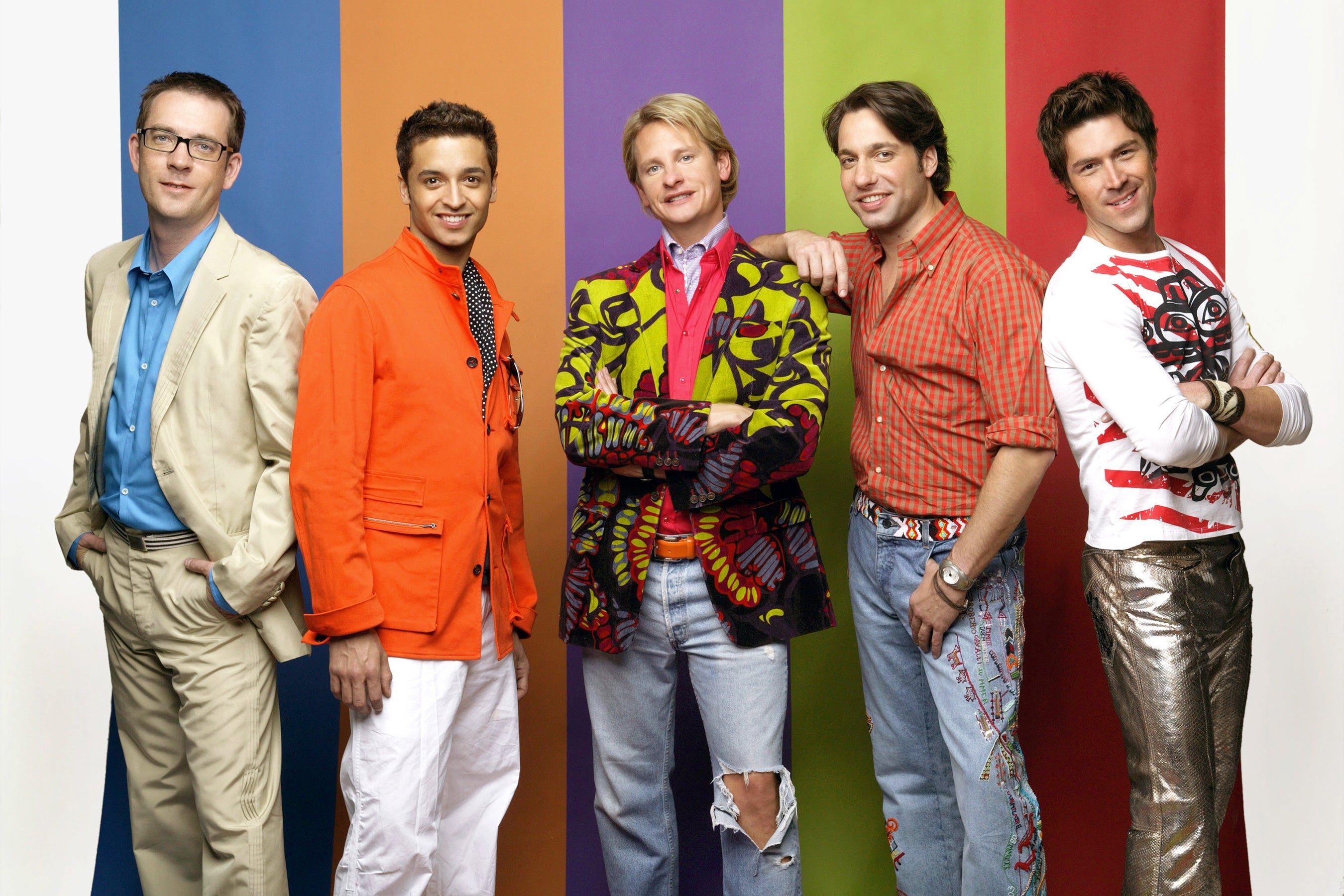
9. The idea for the series Queer Eye for the Straight Guy came from a total fluke. In 2001, the series co-creators, David Collins and Michael Williams, were at an open artist studio in Boston when they overheard a wife yell at her husband for not being dressed as nicely as three gay men that were there — the gay men then went to talk to the couple to smooth things over.
Bravo Tv / ©Bravo TV/Courtesy Everett Collection
While they were all talking, Collins said to Williams, "They just got a queer eye for the straight guy. That's the show we've been looking for." The two later went outside to talk to their friends, who all thought it was a great idea. Williams then said, "I guarantee you a year from now, it will be one of the biggest hits on television." This was partially true...the series was a big hit, but it premiered two years later, in 2003.
©Bravo TV/Courtesy Everett Collection
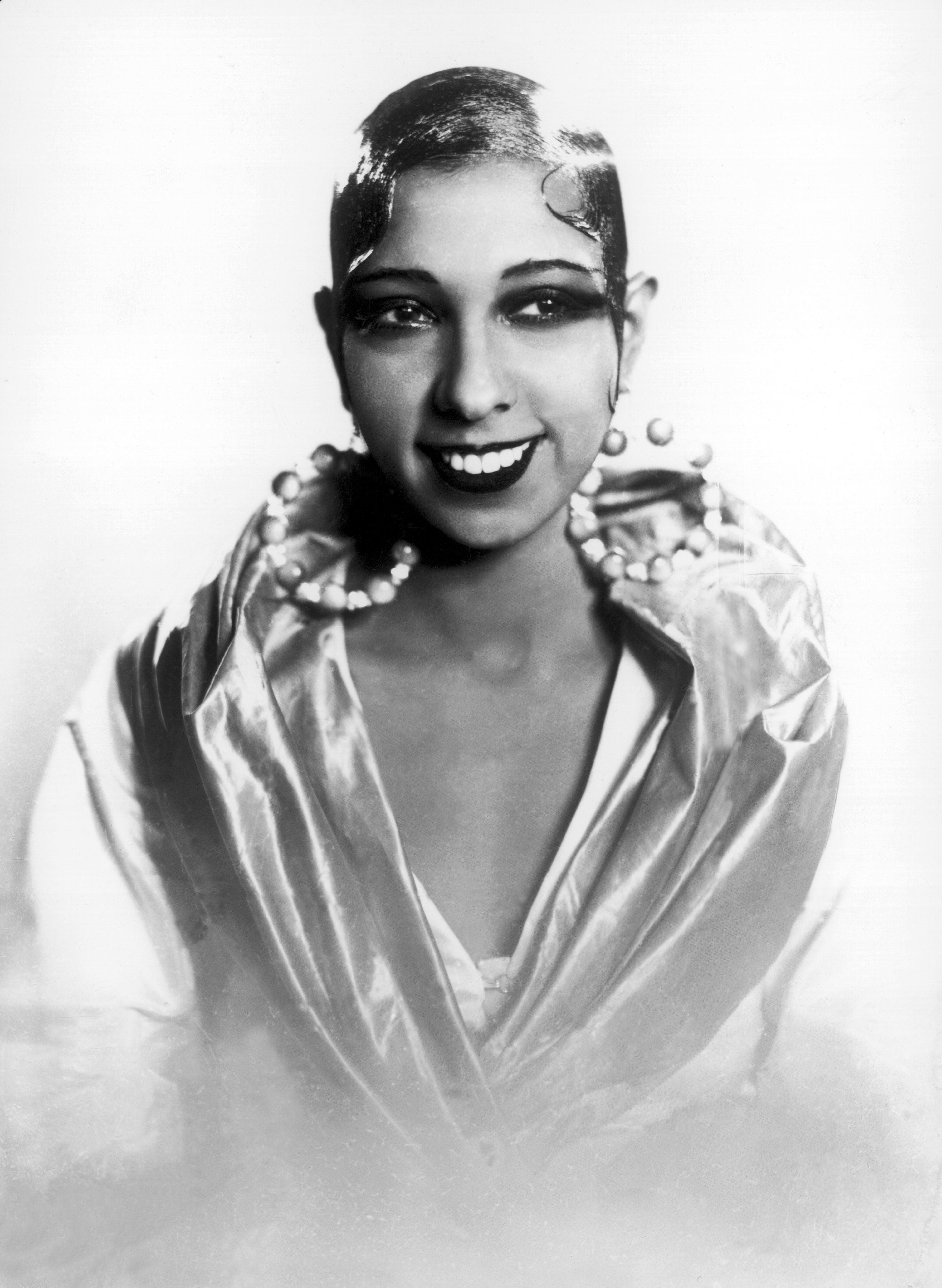
10. Before becoming known as a civil rights activist, Josephine Baker was one of the world's biggest entertainers, especially in France, where she became a superstar in the 1920s and 1930s. When World War II began, and Nazi Germany occupied France, Baker used her celebrity status to secretly work with the French Resistance. Because she was famous and frequently traveled for performances, Nazi officials and military officers were often starstruck and saw her as harmless entertainment, and did not suspect she was gathering intelligence.
Keystone-France / Gamma-Keystone via Getty Images
Baker reportedly smuggled secret messages written in invisible ink on sheet music and hid information inside her luggage and dresses while traveling across borders. She also used her fame to attend parties and social events where she could overhear conversations from high-ranking officials and pass information along to resistance fighters. Beyond espionage, Baker sheltered refugees and supported the Free French forces during the war effort. After the war ended, France honored her bravery with major military awards, including the Croix de Guerre, cementing her legacy as not just an entertainer but also a wartime hero.
- / AFP via Getty Images, Ullstein Bild Dtl. / ullstein bild via Getty Images
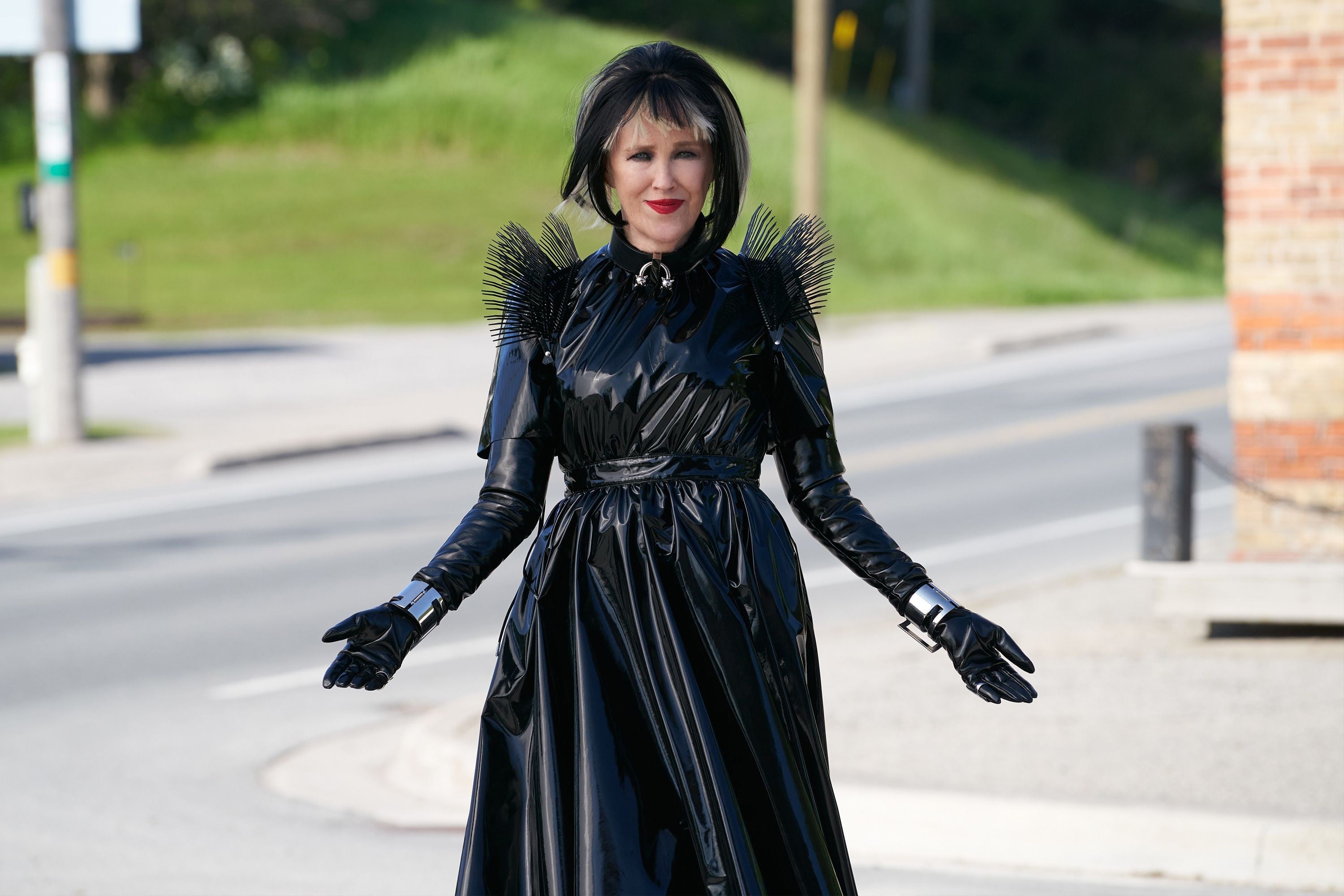
11. When Schitt's Creek was first being developed by Dan Levy and Eugene Levy, Catherine O'Hara was their first choice to play Moira Rose. At the time, O'Hara was hesitant to join the show and initially turned them down. However, Dan was determined to cast her and pushed Eugene to convince her to shoot the pilot. After it was picked up, they told her that she only needed to make a one-season commitment and that if she hated the show, she could leave.

©CBC / courtesy Everett Collection
Moira was originally written as a more grounded character, but once O'Hara joined the show, she was given room to reshape her in her own way. She leaned into a more stylized, unpredictable approach, drawing inspiration in part from figures like Daphne Guinness. From there, she helped build Moira's signature traits, including the unusual accent, dramatic wigs, and heightened, theatrical vocabulary. Dan later recalled being struck by her early ideas for the role, saying, "She came to me with some references in terms of how the character would look, and she was thinking of having this sort of accent…. I remember finding it all quite dazzling."
©CBC / courtesy Everett Collection
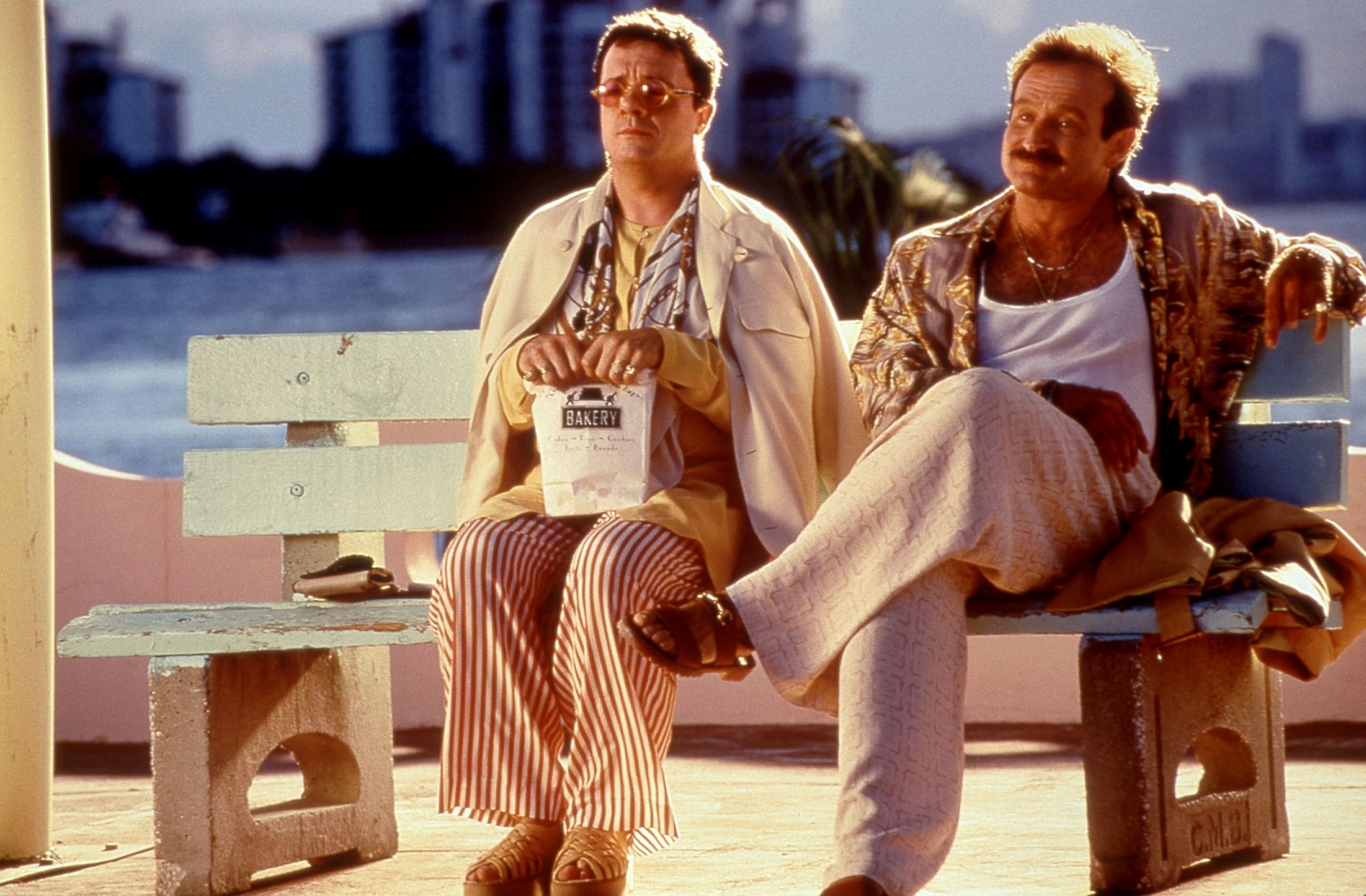
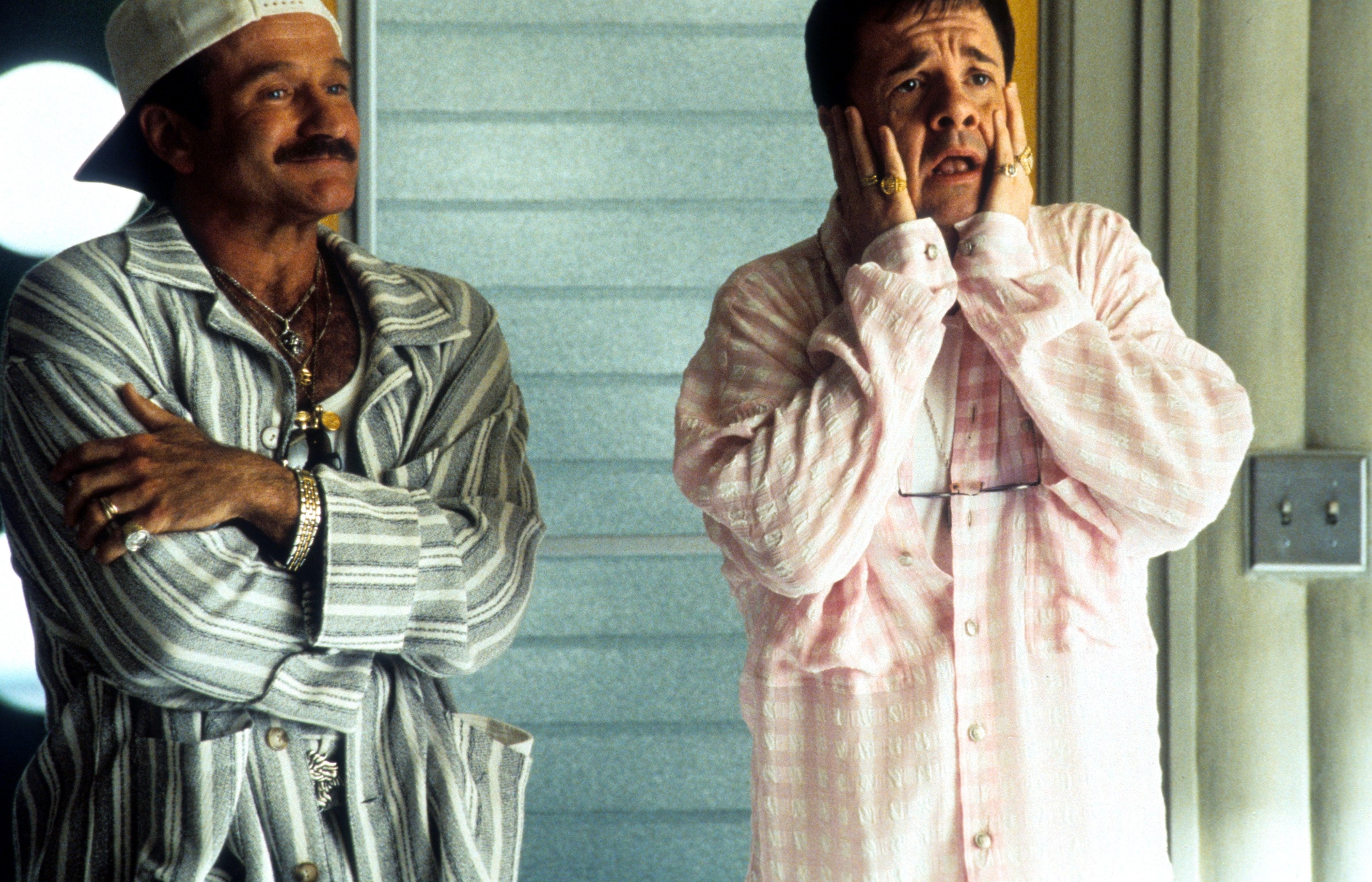
12. When The Birdcage was being developed in the mid-1990s, Robin Williams was actually cast to play Albert Goldman, the flamboyant drag queen who was eventually portrayed by Nathan Lane. At the time, Steve Martin was attached to play Albert's partner, Armand Goldman, the more reserved owner of the Miami drag club. However, when Martin left the project because of scheduling conflicts, Williams suggested that he switch roles and play Armand instead, since he had just played the flamboyant Mrs. Doubtfire and didn't want to repeat himself.
©United Artists/Courtesy Everett Collection
According to Lane, the film's director, Mike Nichols, then floated the idea of casting either Billy Crystal or Robert Redford in the role of Albert. However, Williams strongly supported Lane for the role, helping convince filmmakers that he was the right person for the part. The decision proved crucial, as Lane's larger-than-life performance became one of the film's most celebrated elements, while Williams provided a grounded counterpart that balanced the comedy.
Getty Images
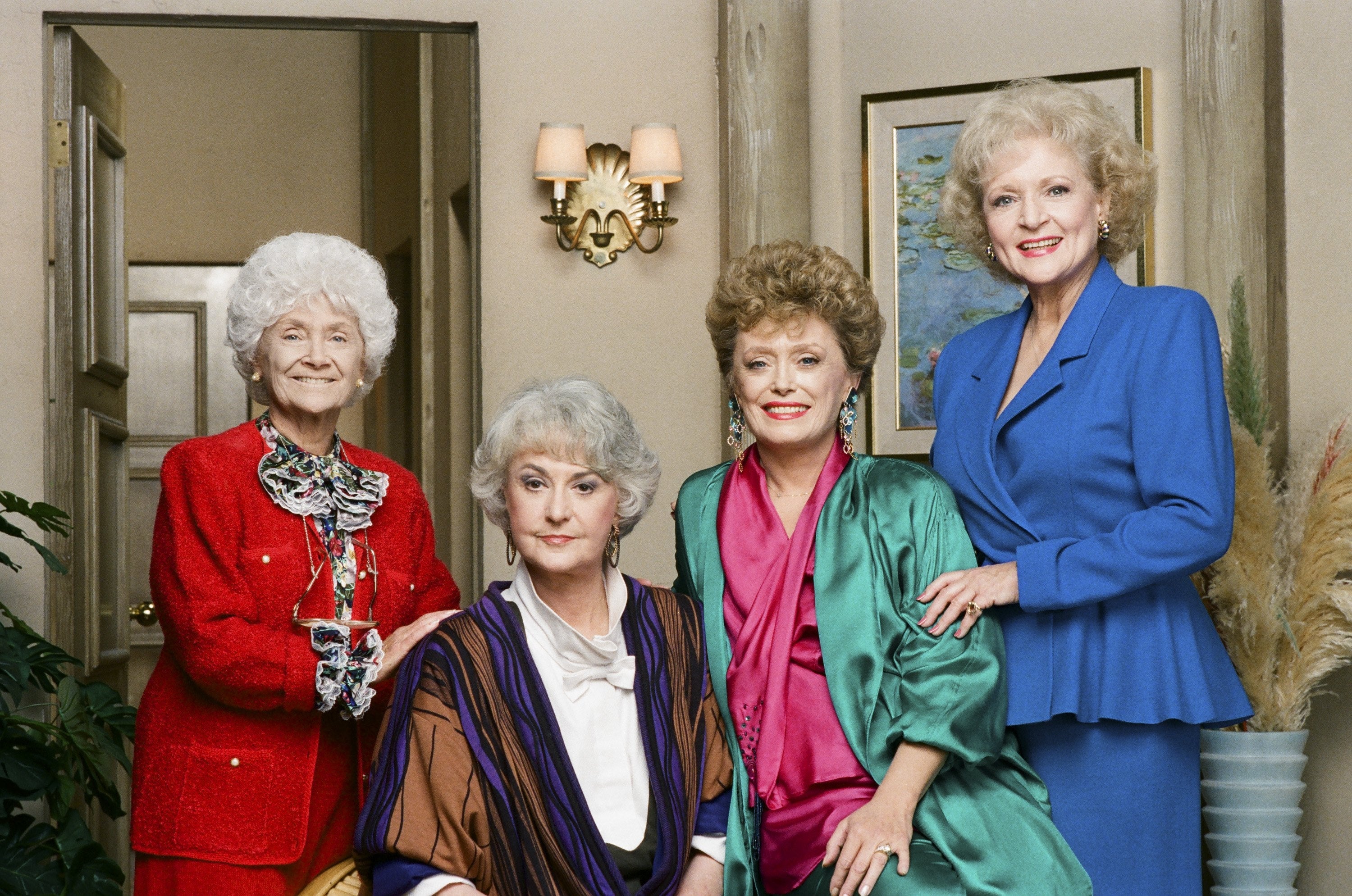
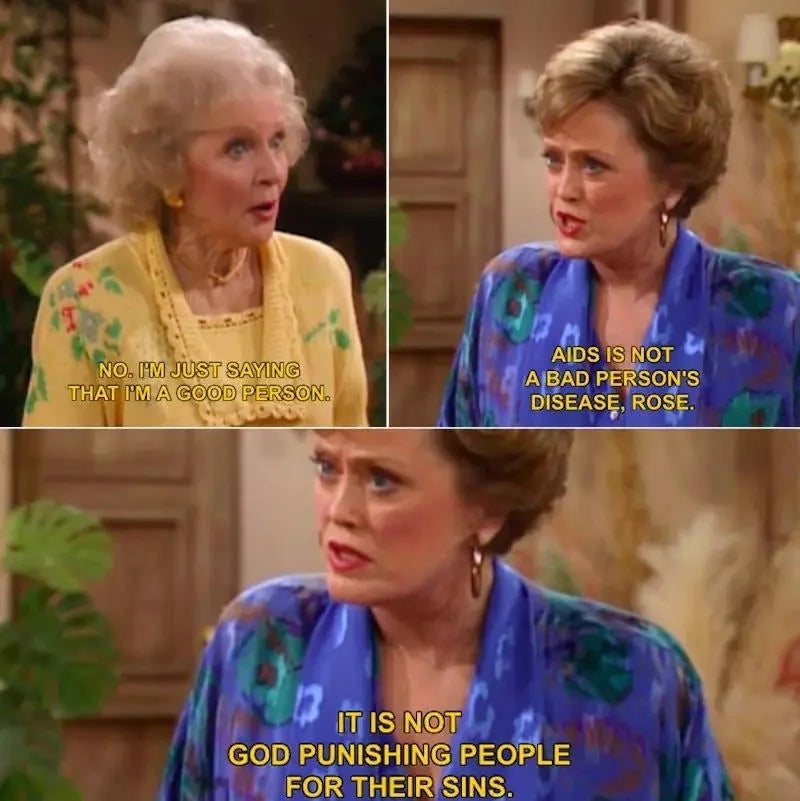
13. And lastly, in 1990, HIV/AIDS was still widely misunderstood and heavily stigmatized in the US. The Golden Girls, which regularly featured heavier topics, like immigration and LGBTQ+ rights, tackled the topic in an episode titled "72 Hours." In the episode, Rose becomes anxious after learning she may have been exposed to HIV through a blood transfusion, forcing her to confront fear, misinformation, and prejudice about the disease. Rather than treating the topic as a punchline, the show approached it with seriousness while still maintaining its trademark comedic tone.
NBC / NBCUniversal via Getty Images
The episode's writers, Tracy Gamble and Richard Vaczy, reached out to HIV specialists at UCLA to learn what key information they would want audiences to know. After it aired, the episode helped introduce many viewers to basic facts about HIV transmission at a time when public knowledge was limited and often distorted. It also challenged the idea that HIV/AIDS only affected certain groups, showing how fear could spread through misunderstanding rather than science.
Looking for more LGBTQ+ or Pride content? Then check out all of BuzzFeed's posts celebrating Pride 2026.
Charlotte Gomez/BuzzFeed








 English (US)